


BCCI’s net worth is estimated to be around 2 billion USD. Its total revenue has exceeded $15 billion since its inception. The IPL alone contributes hundreds of millions of dollars annually to BCCI’s earnings. This is just not it, BCCI receives 38.5% of ICC’s revenue, amounting to approximately $231 million per year.
So, if an organisation earns so much, how come it is exempt from paying taxes? Welcome to the most hilarious taxation system in the world. Yes, the Indian tax system.
Read my last article on Operation Sindoor.
BCCI Tax 2024 Figures


The Board of Control for Cricket in India (BCCI) reported a revenue of ₹20,686 crore for the 2024 financial year. This marks an increase of ₹4,200 crore compared to the previous year.
Key Revenue Sources
- Indian Premier League (IPL): A major contributor, with media rights sold for ₹48,390 crore in 2022.
- Bilateral Series & ICC Revenue: BCCI receives a significant share from international cricket events.
- Sponsorships & Broadcasting Deals: Partnerships with major brands and broadcasters.
Comparison with Other Cricket Boards
- Cricket Australia (CA): ₹658 crore.
- England & Wales Cricket Board (ECB): ₹492 crore.
- Pakistan Cricket Board (PCB): ₹458 crore.
- Bangladesh Cricket Board (BCB): ₹425 crore.
BCCI remains the wealthiest cricket board, with its revenue surpassing the combined earnings of several other boards.
IPL is totally tax-free, as the prestigious folks think that & the Income Tax Appellate Tribunal ruled that IPL profits are used for cricket promotion. Amazing!
Burden on 2% of Middle Class Taxpayers

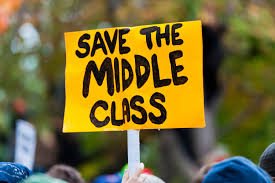
In India, around 86 million income tax returns were filed in the assessment year 2024. However, not all filers had tax liabilities, as many benefited from rebates and exemptions.
Income Tax Collection in 2024
- Total direct tax collection: ₹25.86 lakh crore.
- Corporate tax: ₹12.40 lakh crore.
- Personal income tax: ₹12.90 lakh crore.
- Securities transaction tax (STT): ₹53,095 crore.
- Other taxes: ₹3,399 crore.
After refunds of ₹4.60 lakh crore, the net direct tax collection stood at ₹21.26 lakh crore.
Tax vs Facilities
India’s middle class benefits from various tax relief measures, especially under the new tax regime introduced in Budget 2025. Here’s a breakdown of tax vs. benefits:
Tax Structure for Middle-Class Earners
- Income up to ₹12 lakh – Zero tax liability due to rebates.
- Standard deduction – Increased to ₹75,000, reducing taxable income.
- Marginal relief – Prevents steep tax burdens for those earning slightly above ₹12 lakh.
Key Benefits for Middle-Class Taxpayers
- Higher disposable income – Reduced tax rates leave more money in hand.
- Simplified tax filing – The new regime is now the default option, making compliance easier.
- Savings on home loans – Tax exemptions on interest payments under Section 80CCC.
- Senior citizen benefits – Deduction limits doubled from ₹50,000 to ₹1 lakh.
Impact on the Economy
- Encourages consumer spending and savings.
- Boosts investment in housing and financial markets.
- Improves tax compliance by making filing easier.
The middle class stands to gain significantly from these reforms, ensuring lower tax burdens and higher financial security. Let me know if you need insights on tax-saving strategies!
Now all this has been told to you, and you have been brainwashed to such an extent that you do not believe that the middle class is actually not getting any benefit. It’s the upper class and the higher upper class and elites who take away all the benefits.
Most of the tax collected is distributed to useless people as freebess for luring them to vote.
Freebess Culture

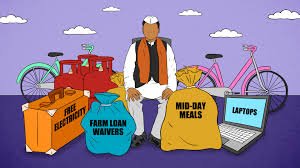
The debate around freebies vs. welfare is ongoing, with concerns about how excessive handouts impact economic growth and fiscal stability. Some government freebies that have been criticised for being inefficient or unsustainable include:
Examples of Controversial Freebies
- Free Electricity & Water – While beneficial for low-income households, excessive subsidies strain state budgets.
- Farm Loan Waivers – Often seen as a short-term political move rather than a long-term agricultural reform.
- Free Laptops & TVs – Distributed in some states, but critics argue they don’t contribute to economic productivity.
- Cash Transfers Without Work Requirements – Direct cash handouts can discourage employment and economic participation.
- Free Public Transport for All – While helpful for some, blanket free transport schemes can lead to revenue losses.
- Gold & Luxury Items – Some states have promised gold for weddings, raising concerns about the misuse of public funds.
The Supreme Court of India has raised concerns about the growing trend of political parties offering freebies before elections, questioning whether such policies create dependency. While some argue that freebies help the poor, others believe they burden taxpayers and reduce incentives for work
What needs to be done?
Balancing freebies and economic stability requires a nuanced approach where welfare programs uplift the needy without straining public finances or discouraging productivity. Here’s how policymakers can strike the right balance:
1. Prioritising Productive Welfare Over Handouts
- Invest in education & skill development rather than unconditional cash transfers.
- Focus on employment generation instead of blanket subsidies.
- Encourage entrepreneurship with microfinance and startup support.
2. Reforming Freebie Policies
- Targeted subsidies – Ensure benefits reach only the truly disadvantaged.
- Sunset clauses – Limit freebies to a specific period instead of making them permanent.
- Conditional benefits – Tie welfare to employment, education, or civic responsibilities.
3. Encouraging Fiscal Responsibility
- Limit debt-funded giveaways – Avoid excessive borrowing for populist measures.
- Transparency in budgeting – Disclose how freebies impact long-term fiscal health.
- Public-private partnerships – Engage businesses in sustainable social initiatives.
4. Learning from Global Models
Countries like Germany & Singapore focus on skill-building programs rather than freebies, ensuring sustainable economic growth. Adopting such strategies in India can help balance welfare with financial prudence.