


Gym Diaries: Every fitness journey begins with a single step, but true transformation happens one rep at a time. The gym is more than just a place filled with weights and machines; it’s a diary of discipline, resilience, and progress. In this article, we’ll explore how to build strength systematically, ensuring that every rep counts toward your long‑term goals.
Gym Diaries: Building Strength One Rep at a Time
Strength training is not about overnight results; it’s about consistency. Recording your workouts in a gym diary helps track progress, identify weaknesses, and celebrate milestones. By documenting sets, reps, and weights, you create a roadmap that keeps you accountable and motivated. Over time, these small entries become powerful evidence of growth and determination.
Progressive Overload, Compound Exercises, Recovery, Nutrition
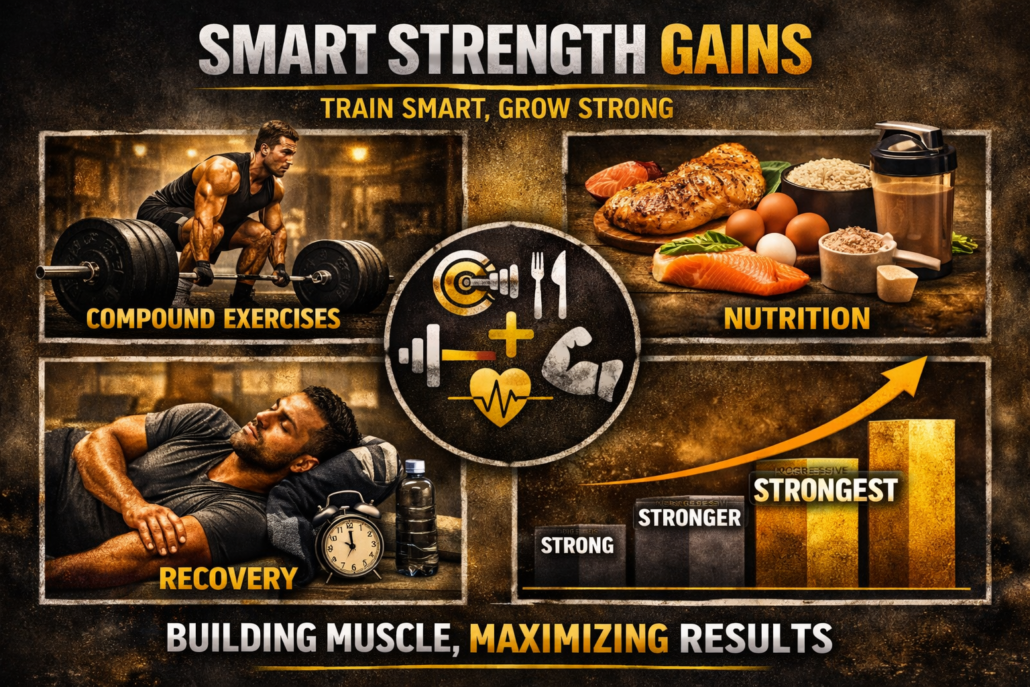
To maximise strength gains, four pillars must guide your training:
- Progressive Overload: Gradually increase the weight, reps, or intensity to challenge your muscles. Without progression, your body adapts and plateaus. Read More
- Compound Exercises: Movements like squats, deadlifts, and bench presses recruit multiple muscle groups, leading to faster strength gains than isolation exercises.
- Recovery: Muscles grow during rest, not while lifting—Prioritise sleep, active recovery, and stretching to prevent burnout.
- Nutrition: Fuel your body with protein, complex carbs, and healthy fats. A balanced diet ensures your muscles repair and grow stronger after each workout.
Together, these elements form the foundation of sustainable strength building.
The Power of Consistency
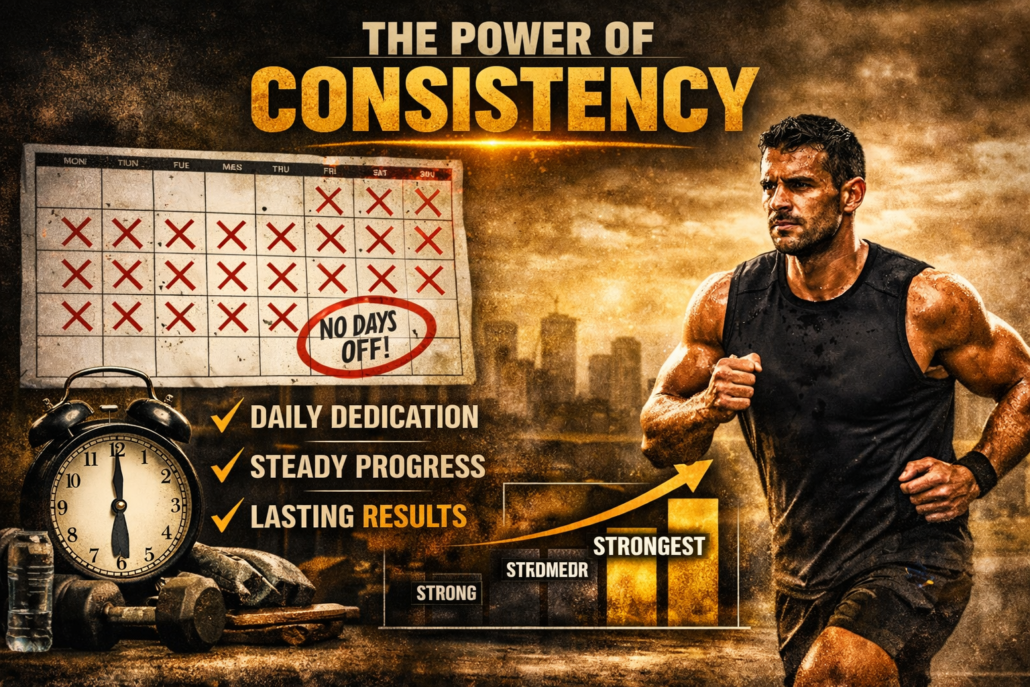
Consistency is the secret ingredient in every successful fitness story. Skipping workouts or training sporadically undermines progress. Instead, commit to a structured plan, whether it’s three or five sessions per week, and stick to it. Over time, consistency compounds, turning small efforts into significant results.
Tracking Progress and Setting Goals
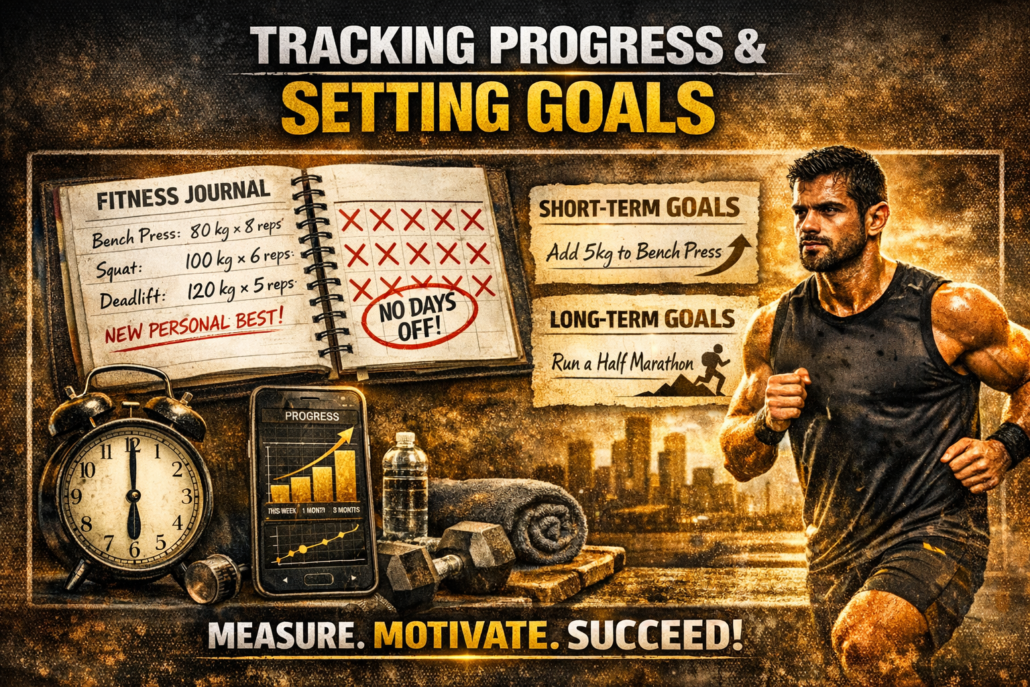
A gym diary is more than numbers; it’s a motivational tool. By setting short‑term goals (like adding 5 kg to your squat) and long‑term goals (such as completing a half‑marathon), you create milestones that keep you focused. Tracking progress also helps identify patterns, like when you perform best or which exercises yield the greatest improvements.
Mindset Matters

Strength is not only physical but also mental. Approaching each workout with determination and focus transforms ordinary reps into extraordinary progress. Visualisation, positive self‑talk, and celebrating small wins build resilience. Remember, the gym diary reflects not just physical growth but also mental toughness.
Avoiding Common Mistakes
Many beginners fall into traps that hinder progress:
- Overtraining without adequate recovery.
- Ignoring nutrition and hydration.
- Focusing only on isolation exercises instead of compound lifts.
- Neglecting proper form increases injury risk.
By recognising these pitfalls early, you can adjust your approach and maintain steady progress.
Building a Lifestyle, Not Just a Routine
Strength training should extend beyond the gym. Incorporate active habits like cycling, running, or yoga to complement your workouts. A holistic lifestyle ensures that fitness becomes part of your identity, not just a temporary pursuit. Your gym diary then becomes a reflection of a balanced, sustainable journey.
Conclusion
Building Strength One Rep at a Time is more than a catchy phrase—it’s a philosophy. Each rep, each entry, and each milestone builds toward a stronger, healthier version of yourself. By embracing progressive overload, compound exercises, recovery, nutrition, and consistency, you create a framework for lifelong strength. Remember, the diary doesn’t just record workouts—it tells the story of your transformation.