

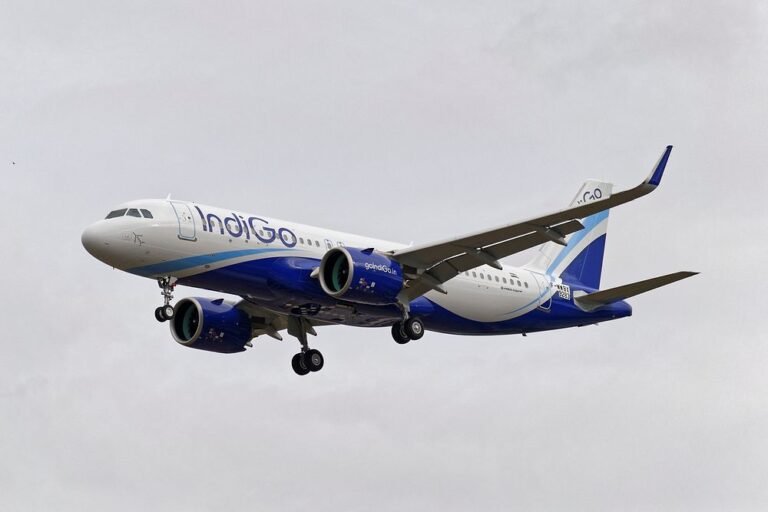
IndiGo Airlines Crisis: If you’ve been anywhere near an airport in India lately, you’ve probably seen the chaos: long queues, frustrated passengers, and endless announcements of delayed or cancelled IndiGo flights. What started as a few operational hiccups has now snowballed into one of the biggest aviation disruptions the country has seen in recent years.
IndiGo, India’s largest airline by market share, is under fire from passengers, regulators, and the media — and the situation is still unfolding. So what exactly is going wrong? Why is the airline cancelling hundreds of flights? And what does this mean for passengers in the coming weeks?
Let’s break it down.
A Perfect Storm: How the IndiGo Airlines Crisis Started
The trouble began when IndiGo started cancelling flights in unusually high numbers across major airports like Delhi, Mumbai, Bengaluru, Hyderabad, and Kolkata. What initially looked like routine operational adjustments quickly turned into a nationwide meltdown.
Passengers reported cancellations with little notice, hours‑long delays, and complete lack of communication from the airline. Social media exploded with complaints, photos of crowded terminals, and videos of stranded travellers demanding answers.
Behind the scenes, several issues were converging at once — and IndiGo was struggling to keep up.
1. Severe Crew Shortages: The Core of the IndiGo Airlines Crisis
The biggest trigger appears to be a shortage of cockpit crew, especially first officers and captains. Airlines operate on tight rosters, and even a small disruption can cause a domino effect. But in IndiGo’s case, the shortage was significant enough to cripple operations.
Why the shortage?
- New DGCA duty‑time rules (FDTL/FOTL) increased rest requirements for pilots.
- IndiGo allegedly failed to plan rosters around these new norms.
- Many pilots reportedly called in sick, adding to the strain.
- Training and transition schedules for new aircraft types further reduced availability.
When pilots aren’t available, flights simply cannot take off — and that’s exactly what happened.
2. DGCA Steps In: Show‑Cause Notice to IndiGo
The Directorate General of Civil Aviation (DGCA) issued a show‑cause notice to IndiGo’s CEO and accountable manager. This is a serious step, signalling that the regulator believes the airline’s planning and compliance were inadequate.
The DGCA questioned:
- Why IndiGo didn’t anticipate crew shortages
- Why was contingency planning insufficient
- Why were passengers not informed in time
- Why cancellations crossed acceptable thresholds
When the regulator steps in at this level, it’s clear the issue isn’t minor.
3. Operational Mismanagement and Poor Planning: IndiGo Airlines Crisis
IndiGo has blamed “operational requirements,” “airport congestion,” and “technical issues,” but the scale of the disruption suggests deeper structural problems.
Some of the internal challenges include:
- Over‑ambitious scheduling without adequate crew buffers
- Rapid fleet expansion without matching manpower growth
- High dependency on narrow time windows at busy airports
- Inconsistent communication between operations and ground staff
In short, IndiGo was running a tight ship — until the smallest wave knocked it off balance.
4. Passenger Impact: Chaos at Airports Nationwide: IndiGo Airlines Crisis
The human cost of the crisis has been massive.
Passengers have reported:
- Being informed of cancellations minutes before boarding
- Waiting 6–10 hours for alternate flights
- Missing international connections
- Being denied refunds or timely rebooking
- Lack of staff at helpdesks
- Confusing or contradictory updates on the app and website
Airports like Delhi and Bengaluru saw crowds spilling out of terminals, with passengers demanding answers from overwhelmed staff.
5. Government Pressure and Public Backlash: IndiGo Airlines Crisis
The aviation ministry has taken note, and pressure is mounting on IndiGo to stabilise operations quickly. With the airline handling nearly 60% of domestic traffic, any disruption has a ripple effect across the entire aviation ecosystem.
Public sentiment has also turned sharply negative. IndiGo, once known for punctuality and efficiency, is now trending for all the wrong reasons.
6. When Will Things Return to Normal?
IndiGo has stated that operations will “stabilise in a few days,” but industry experts believe the recovery may take 1–2 weeks, depending on:
- Crew availability
- Revised rosters
- DGCA directives
- Passenger load during the holiday season
The airline is reportedly working on:
- Adjusting schedules to reduce strain
- Bringing in the reserve crew
- Improving communication channels
- Coordinating with airports for smoother operations
But until these measures take effect, passengers should expect continued disruptions.
What Should Passengers Do Right Now?
If you’re flying IndiGo in the next few days, here’s what you can do:
- Check flight status frequently — don’t rely on last‑minute SMS alerts.
- Arrive early — airports are crowded, and queues are long.
- Keep alternate flight options in mind in case of cancellations.
- Use the IndiGo app for faster rebooking.
- Document everything if you need refunds or compensation later.
Final Thoughts
The IndiGo Airlines Crisis is a reminder of how fragile airline operations can be when planning, manpower, and communication fall out of sync. As India’s largest carrier, IndiGo’s disruptions affect millions — and the airline must act swiftly to restore confidence.
For now, passengers will need patience, backup plans, and a close eye on flight updates. The skies will clear eventually, but the turbulence isn’t over yet. Read more articles.