

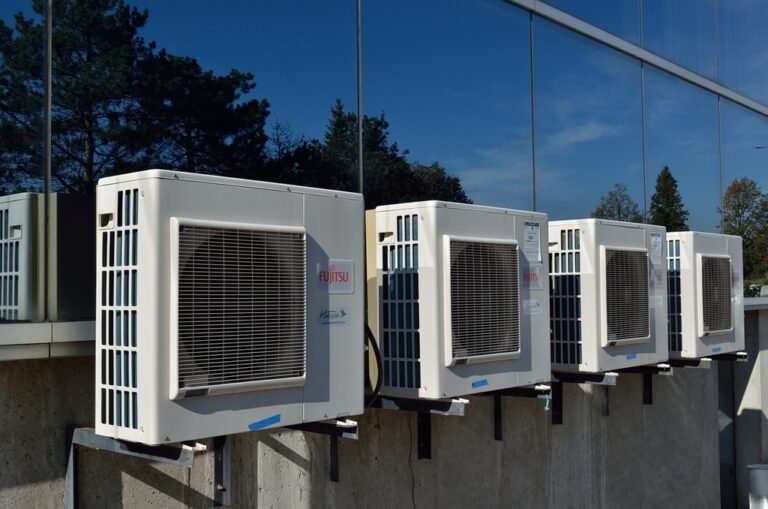
Air conditioning has become essential to modern living, helping regulate temperatures in homes, offices, and industrial spaces. Many users assume they can set their AC to any temperature they prefer. However, temperature settings have been standardized across various regions and industries. This standardization exists to balance energy efficiency, user comfort, and environmental sustainability while ensuring optimized cooling without excessive electricity usage.
But why do authorities recommend specific temperatures, such as 24°C to 26°C? What happens when you set the AC lower or higher than these recommendations? In this article, we’ll explore the science, economics, and environmental impact behind standardized AC temperature regulations.
Read more interesting articles.
The Energy Equation: How Temperature Affects Power Consumption

When an air conditioner operates, it uses compressors, refrigerants, and fans. These components regulate indoor temperature by removing heat. They also maintain the desired cooling level. However, lower temperature settings require the AC to work harder, leading to increased power consumption.
1. Power Demand and Electricity Bills
Each degree lower on an AC thermostat increases electricity consumption by approximately 5-7%. If the default setting is 24°C, lowering it to 18°C can lead to a significant increase in monthly electricity bills. This reduction also strains the power grid.
2. HVAC System Efficiency
For commercial buildings and homes, heating, ventilation, and air conditioning (HVAC) systems are optimized for specific cooling parameters. This optimization ensures smooth operation and longevity. Lower temperature settings can overwork compressors, leading to faster wear and tear, frequent maintenance, and a shorter lifespan.
3. Grid Stability and Peak Load Management
National power grids manage peak load demands, especially during summer when millions of air conditioners operate simultaneously. Standardizing AC temperatures helps reduce grid overload risks, preventing blackouts and power shortages.
Thermal Comfort: Human Body Adaptation to Cooling
The concept of thermal comfort is based on physiological adaptation to indoor temperatures. Scientific studies show that the ideal room temperature for human comfort ranges from 22°C to 26°C. This depends on humidity levels and clothing.
1. Why 24–26°C is Considered Ideal
- Reduces sudden temperature fluctuations, preventing discomfort or health issues.
- Prevents dry air syndrome, avoiding irritation in the throat and skin caused by excessively low temperatures.
- Balances humidity levels, preventing excessive condensation and mold formation.
2. Negative Impact of Overcooling
- AC settings below 20°C can cause thermal shock, leading to headaches, fatigue, and dehydration.
- Continuous exposure to lower temperatures can weaken immune responses, making individuals more prone to colds or respiratory issues.
3. Adaptive AC Technology
Modern air conditioners feature adaptive cooling mechanisms. They include smart thermostats, which automatically adjust temperatures. These adjustments are based on outdoor climate conditions and occupancy.
Environmental Considerations: Reducing Carbon Footprint
AC systems contribute significantly to carbon emissions, with energy-intensive cooling processes consuming vast amounts of electricity. Governments worldwide have set temperature regulations to encourage sustainable energy practices.
1. How AC Temperature Impacts Carbon Emissions
- Excessive cooling leads to higher electricity consumption, increasing demand from coal-fired or gas-powered plants.
- Higher energy consumption leads to greater fossil fuel dependency, increasing greenhouse gas emissions.
2. Government Regulations on AC Temperatures
Several countries have introduced mandatory temperature guidelines:
- India – The Bureau of Energy Efficiency (BEE) recommends 24°C–26°C to lower energy wastage.
- Japan – Offices are required to set AC temperatures no lower than 28°C under Cool Biz guidelines.
- European Union – Various policies suggest standardized cooling settings between 24°C–26°C.
3. The Role of Energy Star & Smart AC Systems
To promote eco-friendly cooling, manufacturers now produce smart air conditioners with:
- Eco Mode – Optimized cooling at moderate energy usage.
- AI-based Climate Adaptation – Intelligent adjustment based on external temperature and humidity.
- Energy Star Certification – Compliance with energy-saving ratings.
Economic Benefits of AC Temperature Standardization
Standardizing AC temperatures doesn’t just help energy conservation—it also benefits businesses and households financially.
1. Lower Electricity Bills
By maintaining 24°C–26°C, commercial buildings and homes can reduce monthly energy costs by 10-20%.
2. Operational Savings for Businesses
Corporate offices, shopping malls, and government buildings benefit from optimized air conditioning, lowering annual expenditures on electricity and equipment maintenance.
3. Long-Term Cost Benefits
Sustained moderate cooling reduces HVAC maintenance costs, extends AC unit lifespan, and prevents excessive refrigerant usage, leading to long-term savings.
Conclusion
Standardizing AC temperatures isn’t just about personal preference. It’s a scientifically driven decision. It is also environmentally and economically significant. This benefits both individuals and the planet. Maintaining a moderate temperature range (24°C–26°C) optimizes cooling efficiency, reduces electricity bills, minimizes carbon footprint, and enhances long-term system reliability.
As air conditioning technology continues evolving, AI-powered climate control will become prevalent. Smart thermostats will ensure intelligent cooling without energy wastage. Whether you’re running a business or just relaxing at home, it is important to adhere to temperature standardization. This practice ensures comfort. It also provides savings and sustainability for the future. 🌍❄
️