
Home Blog Page 5

75 Hard Day 1

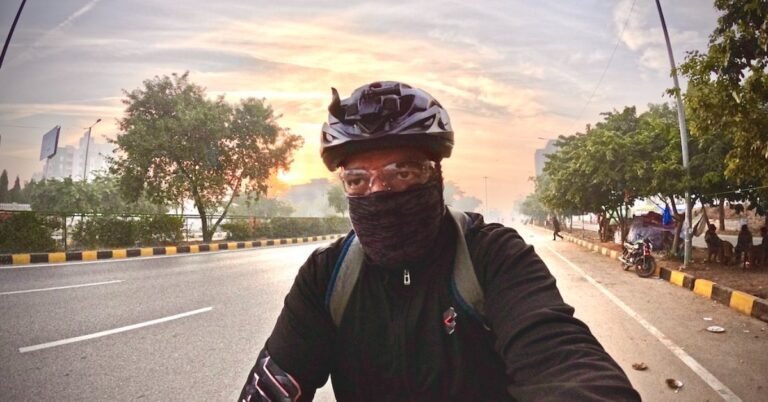
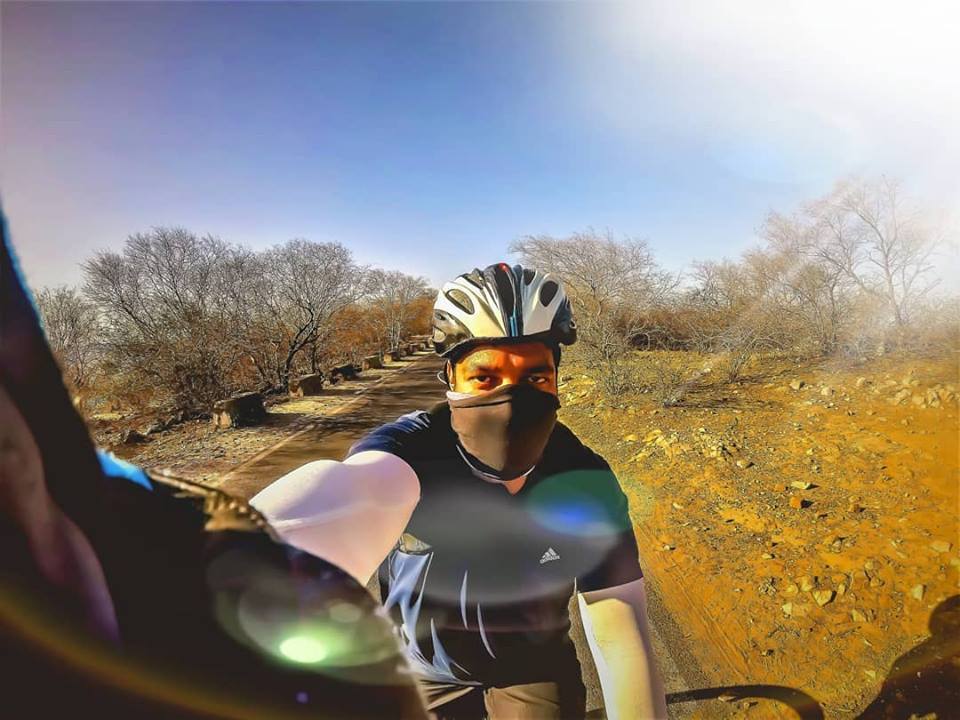
Welcomed myself to the 6 AM club today. Although I started the gym routine in December 2024, this was not something special, and I started just for the 2025 New Year resolution. 75 hard day 1, began with a ride of 15 km early morning at 6 AM. The weather is still chilly in the morning, in Jaipur. Got up by 5:30 AM and got ready by 6 AM with a hot black coffee and a banana. I guess this is an ideal start to the day because it gets you out of your sleepy slumber.

Daily Vlog:

75 hard day 1

Another daily milestone that I am working on is to consume at least 5 litres of water. So I made sure to gulp the sipper that I had completely till I reached home. The rise somewhat looked like the picture I clicked from my GoPro below;
Music while cycling
Morning Ride 75 hard day 1

Once I reached did a little bit of stretching to cool down. Had an amazing breakfast, well Indian off-course but a little light. Black coffee and Poha. Light on the stomach and does not pack a lot of calories.

75 Hard Rules

Before I tell you what happened next, let’s just go over the rules of the 75 Hard Challenge. Below is what I will be sticking to for the next 75 days.

  • Two Workouts Per Day: Perform two separate 45-minute workouts. One must be outdoors, regardless of the weather.
  • Follow a Diet: Stick to a diet plan that aligns with your fitness goals. No cheat meals or alcohol are allowed.
  • Drink One Gallon of Water: Consume 128 ounces of water daily.
  • Read 10 Pages: Read 10 pages of a non-fiction, self-improvement, or educational book. Audiobooks are not allowed.
  • Take a Progress Photo: Capture a photo each day to track your transformation.

With the first outdoor workout, I headed to my office post breakfast. I am sticking to a very basic plant-based Indian diet.

The Diet for 75 Hard Challenge

Morning:

  • Upon Waking: Warm water with lemon/coffee/Banana before my outdoor ride
  • Breakfast:
    • 3-4 soaked figs (anjir)
    • 10-15 soaked raisins (munakka)
    • 10-12 cashews
    • 4 walnuts
    • 1 banana or apple
    • At times would love to try egg whites (Just Kidding)

Mid-Morning Snack:

  • A glass of buttermilk or a handful of almonds/Poha

Lunch:

  • 2 whole wheat rotis with ghee
  • A bowl of mixed vegetable sabzi
  • A bowl of salad (cucumber, tomato, carrot, etc.)
  • 1 cup of curd

Post-Workout Meal:

  • A protein shake or a drink made with almonds, watermelon seeds, poppy seeds (khas khas), cardamom, fennel seeds, black pepper, and rose petals

Evening Snack:

  • 1 scoop of protein powder mixed with water or milk

Dinner:

  • A bowl of dal or lentil soup
  • A bowl of vegetable sabzi
  • A bowl of salad
  • Will avoid chapatis at all cost

Before Bed:

  • 1 glass of warm milk

Additionally

  • Hydration: Drink at least one gallon (3.7 litres) of water daily.
  • Avoid: Processed foods, sugary snacks, and fried foods.
  • Consistency: Stick to the plan without cheat meals or alcohol.

75 Hard Day 1 – After Office

Headed to the Gym and did a shoulders and legs routine.

Warm-Up (10 minutes)

  • Jumping Jacks: 2 minutes
  • Dynamic Stretches: 5 minutes (focus on shoulders and legs)
  • Bodyweight Squats: 3 sets of 15 reps

Workout

1. Squats

  • Sets: 4
  • Reps: 8-12
  • Rest: 60-90 seconds
  • Focus: Quads, hamstrings, glutes

2. Overhead Press

  • Sets: 4
  • Reps: 8-12
  • Rest: 60-90 seconds
  • Focus: Shoulders (deltoids), triceps

3. Lunges

  • Sets: 3
  • Reps: 12-15 per leg
  • Rest: 60 seconds
  • Focus: Quads, hamstrings, glutes

4. Lateral Raises

  • Sets: 3
  • Reps: 12-15
  • Rest: 60 seconds
  • Focus: Shoulders (lateral deltoids)

5. Romanian Deadlifts

  • Sets: 3
  • Reps: 10-12
  • Rest: 60-90 seconds
  • Focus: Hamstrings, glutes, lower back

6. Front Raises

  • Sets: 3
  • Reps: 12-15
  • Rest: 60 seconds
  • Focus: Shoulders (anterior deltoids)

7. Calf Raises

  • Sets: 4
  • Reps: 15-20
  • Rest: 60 seconds
  • Focus: Calves

8. Rear Delt Flyes

  • Sets: 3
  • Reps: 12-15
  • Rest: 60 seconds
  • Focus: Shoulders (posterior deltoids)

Cool-Down (10 minutes)

  • Static Stretches: 5 minutes (focus on shoulders and legs)
  • Foam Rolling: 5 minutes

Now you must be thinking that is too much, yes it is! My legs are paining but the good part is that I would be able to sleep today without scrolling reels. I was looking for such a routine, wherein I close my eyes for a minute and then Zzzzzzzzzzz, I doze off.

Book post Dinner – 75 Hard Day 1 (10 Pages)

75 hard day 1 How to win friends and influence people

So started reading this amazing book by Dale Carnegie. The crux of the first 10 pages are;

  1. Introduction and Preface:
    • Dale Carnegie explains the origins of the book, which stemmed from his courses on public speaking and human relations. He emphasizes the importance of understanding and improving human interactions for success in both personal and professional life.
  2. Fundamental Techniques in Handling People:
    • The first section introduces the idea that criticism and condemnation are often counterproductive. Instead, Carnegie suggests focusing on appreciation and encouragement to motivate others.
  3. Key Principles:
    • Don’t criticize, condemn, or complain: Criticism is futile because it puts people on the defensive and usually makes them strive to justify themselves. Instead, try to understand and forgive.
    • Give honest and sincere appreciation: People crave appreciation and recognition. Sincere appreciation can motivate and inspire others.
    • Arouse in the other person an eager want: To influence others, you need to understand their desires and show them how they can achieve what they want by following your suggestions.

These foundational ideas set the tone for the rest of the book, which delves deeper into practical strategies for building better relationships and influencing people effectively.

Summing Up

The first day is always tough, but I am keen to keep this up for the next 74 days. What I am looking at is to raise the bar each day and make gradual progress. 75 hard day 1 was indeed tough! But let’s keep this up for the next 74 days. Good night folks!

Fill the form below with your email and stay tuned to all my updates.

Pangong Lake – A Journey Through Ladakh’s Majestic Landscapes

Nestled in the heart of the Himalayas, Pangong Lake is a shimmering jewel that captivates travellers with its stunning beauty and serene ambience. My recent bike tour to this iconic destination in Ladakh was an adventure of a lifetime, filled with breathtaking landscapes, thrilling rides, and unforgettable experiences.

The Journey Begins – Pangong Lake

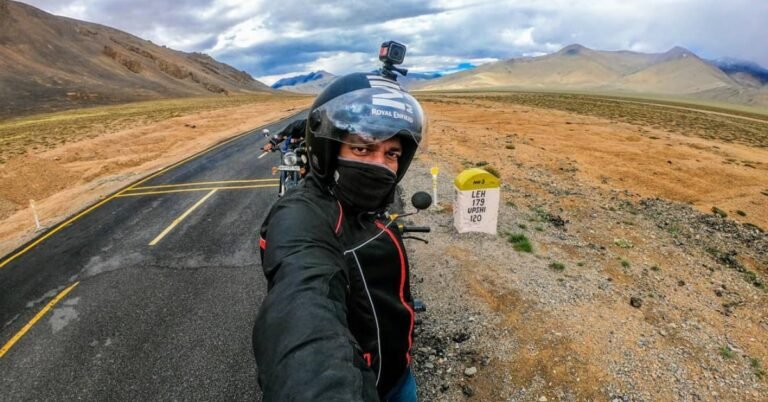
The journey to Pangong Lake started from Leh, the capital of Ladakh. As I geared up for the ride, the excitement was palpable. The route to Pangong Lake is renowned for its challenging terrain and awe-inspiring views, making it a dream destination for bikers. I embarked on this incredible journey with my bike ready and in high spirits.

The Thrill of the Ride

Riding through the rugged terrain of Ladakh is an experience like no other. The winding roads, steep ascents, and sharp turns tested my biking skills and endurance. The landscape changed dramatically as I ascended higher, with barren mountains giving way to lush valleys and pristine rivers. Each twist and turn revealed a new facet of Ladakh’s raw beauty.

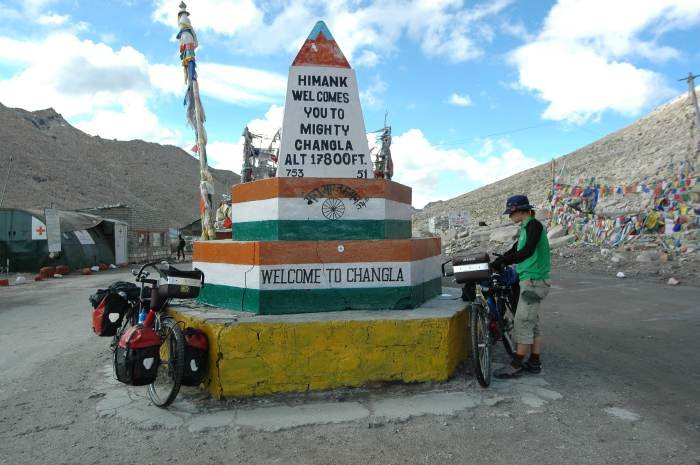
Crossing Chang La Pass

ROBB MACIAG & ANIA TYKA POLAND

One of the journey’s highlights was crossing Chang La Pass, one of the highest motorable roads in the world. At an altitude of 17,590 feet, the pass is a testament to the sheer scale and grandeur of the Himalayas. The air was thin and crisp, and the views were nothing short of spectacular. The sense of accomplishment upon reaching the top was immense, and it was a perfect spot to take a break and soak in the surroundings.

Arrival at Pangong Lake

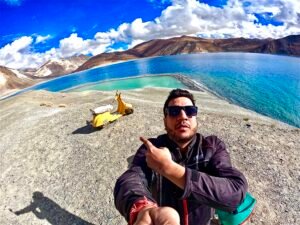
Pangong lake view
DCIM\100GOPRO\GOPR0788.JPG

After hours of riding through challenging terrain, the first glimpse of Pangong Lake was a sight to behold. The lake’s crystal-clear waters, reflecting the sky’s myriad hues, created a mesmerizing spectacle. Stretching over 134 kilometres, Pangong Lake straddles the border between India and China, with two-thirds of its length lying in China.

The tranquility of the lake, set against the backdrop of towering mountains, was a stark contrast to the rugged journey. The changing colors of the water, from deep blue to turquoise, depending on the time of day and weather, added to its ethereal beauty.

Camping by the Lake

Camping by Pangong Lake was an experience that will forever be etched in my memory. As the sun set, the sky transformed into a canvas of vibrant colours, and the stars began to twinkle. The silence of the night, broken only by the gentle lapping of the lake’s waters, was incredibly soothing. Sitting by the campfire, sharing stories with fellow travellers, and gazing at the star-studded sky was a perfect end to the day.

Exploring the Surroundings

The next day was spent exploring the surroundings of Pangong Lake. A walk along the lake’s shore revealed its diverse flora and fauna. The region is home to various bird species, including the rare black-necked crane. The sight of these majestic birds against the backdrop of the lake was a photographer’s delight.

I also visited the nearby villages, where the warm hospitality of the locals added a personal touch to the trip. Learning about their culture, traditions, and way of life was an enriching experience.

The Return Journey

The return journey to Leh was equally thrilling, with the added satisfaction of having experienced one of the most beautiful places on earth. The memories of the ride, the camaraderie with fellow bikers, and the serene beauty of Pangong Lake made every moment of the trip worthwhile.

Reflections on the Trip

My bike tour to Pangong Lake was more than just a journey; it was an adventure that tested my limits and rewarded me with unforgettable experiences. The sheer beauty of Ladakh, the thrill of the ride, and the serenity of Pangong Lake combined to create a trip that will always hold a special place in my heart.

If you’re a biking enthusiast or a nature lover, a trip to Pangong Lake should be on your bucket list. The journey may be challenging, but the rewards are beyond measure. So gear up, hit the road, and let the majestic landscapes of Ladakh take your breath away.

North Cliff Camps – Sonmarg

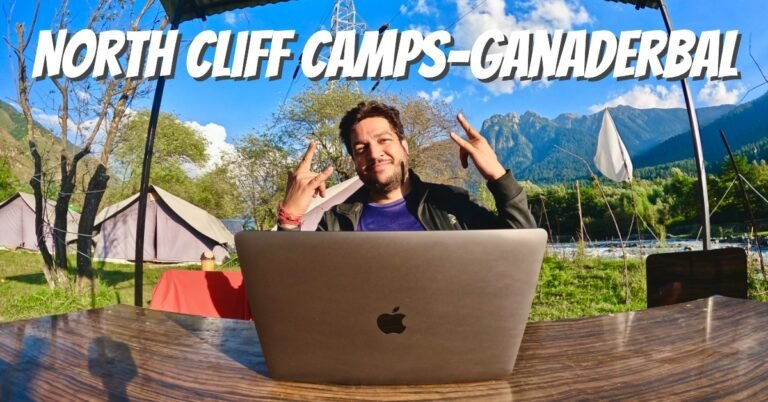
Nestled in the picturesque landscapes of Ganderbal, Jammu and Kashmir, North Cliff Camps offers an unparalleled experience for nature enthusiasts and adventure seekers alike. This unique camping site, located along the serene banks of the Sindh River, provides a perfect blend of tranquillity and excitement, making it an ideal destination for those looking to escape the hustle and bustle of city life.

I had a chance to stay here for a night while doing my Ladakh tour from Jaipur. This was my next stay after staying a night in Jammu, & Patnitop.

I do not prefer to stay in the main area of Sonmarg as it’s too crowded. Ganderbal seems to be a sensible choice and place to stay for a night. Camps in Sonmarg are too many attracting too many people. So the peace factor goes away.

Arrival and First Impressions

As you arrive at North Cliff Camps, the first thing that strikes you is the breathtaking beauty of the surroundings.

You must cross a small bridge like in my Instagram post above to get to the campsite.

The camp is situated amidst lush greenery, with the majestic Himalayan mountains serving as a stunning backdrop. The sound of the flowing Sindh River adds to the peaceful ambience, creating a sense of calm and relaxation.

The camp’s layout is thoughtfully designed to blend seamlessly with the natural environment. The tents are spacious and well-equipped, offering a comfortable stay while maintaining a rustic charm. Each tent provides a panoramic view of the river and the mountains, allowing guests to wake up to the beauty of nature every morning.

Check out the video on my YouTube channel for this place to get a more detailed view.

Activities and Adventures

North Cliff Camps is not just about relaxation; it also offers a wide range of activities for adventure enthusiasts. Whether you are an experienced trekker or a novice looking to try something new, there is something for everyone.

Trekking and Hiking: The camp organizes guided treks to nearby trails, offering an opportunity to explore the rugged terrains of the Himalayas. The treks vary in difficulty, catering to both beginners and seasoned hikers. As you traverse the trails, you are rewarded with stunning views of the valleys, forests, and snow-capped peaks.

River Rafting: For those seeking an adrenaline rush, river rafting on the Sindh River is a must-try activity. The river’s rapids provide an exhilarating experience, and the camp ensures all safety measures are in place. The thrill of navigating through the rapids, combined with the scenic beauty of the river, makes for an unforgettable adventure.

Rock Climbing and Rappelling: North Cliff Camps also offers rock climbing and rappelling activities, allowing guests to challenge themselves and test their limits. With experienced instructors guiding you, these activities are both safe and exciting.

Team-Building Activities: The camp is an excellent destination for corporate retreats and team-building exercises. Activities like obstacle courses, trust falls, and group challenges help build camaraderie and improve teamwork among participants.

Relaxation and Leisure

While the adventure activities are a major draw, North Cliff Camps also provide ample opportunities for relaxation and leisure. The camp’s serene environment is perfect for unwinding and reconnecting with nature.

Campfires and Barbecues: Evenings at the camp are magical, with campfires and barbecues creating a warm and inviting atmosphere. Guests can gather around the fire, share stories, and enjoy delicious grilled food under the starry sky. The crackling fire and the cool mountain breeze make for a perfect end to an adventurous day.

Stargazing: The clear skies of Ganderbal offer an excellent opportunity for stargazing. With minimal light pollution, the night sky is a canvas of twinkling stars. The camp provides telescopes for guests to get a closer look at the celestial wonders, making it a memorable experience for astronomy enthusiasts.

Yoga and Meditation: For those looking to rejuvenate their mind and body, the camp offers yoga and meditation sessions. Practicing yoga amidst the tranquil surroundings enhances the experience, helping guests achieve a sense of inner peace and well-being.

Cultural Experiences

North Cliff Camps also provides a glimpse into the rich culture and heritage of Jammu and Kashmir. The camp organizes cultural evenings where guests can enjoy traditional music and dance performances. These events offer an insight into the local customs and traditions, adding a cultural dimension to the camping experience.

Local Cuisine: The camp’s dining options include a variety of local dishes, allowing guests to savor the flavors of Kashmiri cuisine. From the famous Rogan Josh to the delectable Dum Aloo, the food is prepared using fresh, locally sourced ingredients. The camp also caters to dietary preferences, ensuring that all guests have a delightful culinary experience.

Sustainable Tourism

One of the standout features of North Cliff Camps is its commitment to sustainable tourism. The camp follows eco-friendly practices to minimize its impact on the environment. From using solar energy to implementing waste management systems, the camp ensures that its operations are in harmony with nature.

Community Engagement: The camp also engages with the local community, providing employment opportunities and supporting local businesses. By promoting responsible tourism, North Cliff Camps contributes to the socio-economic development of the region.

Conclusion

A stay at North Cliff Camps in Ganderbal, Jammu and Kashmir, is more than just a camping trip; it is an immersive experience that combines adventure, relaxation, and cultural exploration. The camp’s stunning location, diverse activities, and commitment to sustainability make it a perfect destination for travellers seeking a unique and enriching getaway.

Whether you are looking to challenge yourself with thrilling adventures, unwind in a serene environment, or explore the rich cultural heritage of the region, North Cliff Camps offers something for everyone. It is a place where you can disconnect from the chaos of everyday life and reconnect with nature, creating memories that will last a lifetime.

Jaipur to Chandigarh on Bike

Embarking on a bike journey from Jaipur to Chandigarh is an adventure that promises scenic beauty, cultural experiences, and the thrill of the open road. Covering approximately 500 kilometers, this journey takes you through diverse landscapes, bustling towns, and serene countryside. Here’s a detailed account of my unforgettable ride from the Pink City to the City Beautiful, along with some tips for fellow bikers. This time I took the route to Ladakh via Srinagar.

Preparation and Planning – Jaipur to Chandigarh

Before setting off, thorough preparation is essential. I ensured my bike was in top condition, with a full tank of fuel, properly inflated tires, and all necessary tools and spare parts. Packing light but smart, I included essentials like a first-aid kit, water, snacks, and weather-appropriate clothing. Equipped with a GPS device and a detailed map, I was ready to navigate the route.

The Route – Jaipur to Chandigarh

Given that two-wheelers are not allowed on the 152D expressway, I opted for an alternative route that offered both safety and scenic views. My chosen path was:

  • Jaipur to Sikar: Starting early in the morning, I headed north from Jaipur on NH52. The road was smooth, and the early hours meant minimal traffic. The cool morning breeze and the sight of the sun rising over the Aravalli hills set a perfect tone for the journey.
  • Sikar to Fatehpur: Continuing on NH52, I passed through Sikar, a town known for its historical havelis and vibrant markets. A quick stop for breakfast at a local dhaba provided a taste of authentic Rajasthani cuisine.
  • Fatehpur to Hisar: From Fatehpur, I took the SH20 towards Hisar. This stretch was relatively less crowded, allowing for a relaxed ride. The landscape transitioned from arid regions to more fertile lands as I entered Haryana.
  • Hisar to Ambala: After a brief rest in Hisar, I continued towards Ambala on NH9. This part of the journey was marked by lush green fields and occasional roadside vendors selling fresh produce.
  • Ambala to Chandigarh: The final leg of the journey took me from Ambala to Chandigarh on NH44. The road was well-maintained, and the anticipation of reaching my destination added to the excitement.

Highlights of the Journey from Jaipur to Chandigarh

  1. Cultural Encounters: Each town and village along the way had its unique charm. From the traditional attire of the locals to the vibrant markets, the cultural richness of Rajasthan and Haryana was evident at every stop.
  2. Scenic Beauty: The changing landscapes, from the rugged terrain of Rajasthan to the green fields of Haryana, provided a visual treat. The sight of mustard fields in full bloom was particularly mesmerizing.
  3. Local Cuisine: Sampling local delicacies at roadside dhabas was a highlight. From the spicy Rajasthani kachoris to the hearty Haryanvi parathas, the culinary journey was as exciting as the ride itself.
  4. Historical Landmarks: The route is dotted with historical landmarks. A quick detour to the Shekhawati region allowed me to explore the beautifully painted havelis of Mandawa.

Challenges Faced

No journey is without its challenges, and this one was no exception. Navigating through busy town centers required caution and patience. The weather, too, played a role, with sudden temperature drops in the evening making it essential to have warm clothing on hand. Additionally, ensuring regular breaks to avoid fatigue was crucial for a safe ride.

Tips for Fellow Bikers – Jaipur to Chandigarh

  1. Start Early: Begin your journey early in the morning to avoid traffic and enjoy cooler temperatures.
  2. Stay Hydrated: Carry enough water and stay hydrated, especially during long stretches.
  3. Regular Breaks: Take regular breaks to rest and stretch. This helps prevent fatigue and keeps you alert.
  4. Check Weather Conditions: Be prepared for sudden weather changes. Carry appropriate gear for rain and cold.
  5. Safety Gear: Always wear a helmet, gloves, and protective clothing. Safety should be your top priority.
  6. Navigation Tools: Use a GPS device or a reliable map to stay on track. Familiarize yourself with the route beforehand.
  7. Local Knowledge: Interact with locals for tips on the best routes, places to eat, and any road conditions to be aware of.
  8. Emergency Kit: Carry a basic first-aid kit and essential tools for minor repairs.

Arrival in Chandigarh

Reaching Chandigarh was a moment of triumph. Known for its urban planning and greenery, the city welcomed me with open arms. The well-laid-out roads and the sight of the Shivalik hills in the distance were a stark contrast to the bustling streets of Jaipur. Exploring Chandigarh’s landmarks, such as the Rock Garden, Sukhna Lake, and the Capitol Complex, provided a perfect end to the journey.

Reflections – Jaipur to Chandigarh

This bike journey from Jaipur to Chandigarh was more than just a ride; it was an exploration of India’s diverse culture, landscapes, and people. The freedom of the open road, the thrill of navigating new terrains, and the joy of discovering hidden gems along the way made it an unforgettable experience.

For anyone considering a similar journey, my advice would be to plan meticulously, stay flexible, and embrace the unexpected. The road has its own stories to tell, and each turn brings a new adventure. Whether you’re a seasoned rider or a novice, this journey promises memories that will last a lifetime.

In conclusion, biking from Jaipur to Chandigarh is not just about reaching the destination but about the experiences and stories collected along the way. It’s a journey that celebrates the spirit of adventure and the beauty of India’s heartland. So, gear up, hit the road, and let the journey unfold.

Understanding the Dynamics of Depopulation: Factors and Policies Influencing Population Decline

Deep State: Depopulation, or the decline in the population of a country, can occur due to a variety of factors, both natural and man-made. While rapid population growth poses challenges, a declining population can also have significant economic, social, and cultural impacts. This article explores the factors contributing to natural population decline and the policies that can influence this trend. It is essential to approach this topic sensitively, understanding the complex interplay of demographics, economics, and societal norms.

Factors Contributing to Depopulation

1. Declining Birth Rates

One of the most significant factors contributing to Depopulation is decreased birth rate. Several factors can lead to lower birth rates:

  • Economic Development: As countries develop economically, families tend to have fewer children. Higher living costs, increased female labour force participation, and greater access to education and career opportunities often lead to delayed marriage and childbirth.
  • Access to Education and Contraception: Improved access to education, particularly for women, and access to family planning resources contribute to lower birth rates. Educated women tend to have fewer children and delay childbirth.
  • Urbanization: Urban living often correlates with smaller family sizes due to space constraints, higher living costs, and different lifestyle choices compared to rural areas.

2. Increased Emigration

Migration can significantly impact a country’s population. High levels of emigration, particularly of young, working-age individuals, can lead to depopulation. Factors influencing emigration include:

  • Economic Opportunities Abroad: Individuals may leave their home country in search of better job prospects, higher wages, and improved living conditions.
  • Political Instability: Countries experiencing political turmoil, conflict, or lack of personal freedoms may see higher emigration rates as individuals seek safer and more stable environments.
  • Quality of Life: Countries with lower quality of life indicators, such as poor healthcare, education, and public services, may experience higher emigration rates.

3. Aging Population

An ageing population can contribute to natural decline as the number of deaths begins to exceed the number of births. Factors leading to an ageing population include:

  • Increased Life Expectancy: Advances in healthcare and living conditions have led to longer life expectancies, resulting in a higher proportion of elderly individuals.
  • Low Fertility Rates: Sustained low fertility rates over time contribute to a smaller younger population, amplifying the effects of an ageing population.

4. Societal and Cultural Shifts

Changing societal norms and cultural attitudes towards family and reproduction can also lead to depopulation:

  • Changing Family Structures: Modern family structures often prioritize smaller family sizes. DINK (Double Income No Kids) households and single-person households are becoming more common.
  • Shift in Priorities: In many developed countries, individuals prioritize career, personal development, and lifestyle over starting families, leading to delayed or fewer childbirths.

Policies Influencing Depopulation

1. Family Planning Policies

Government policies that promote family planning and provide access to contraception can lead to lower birth rates. While these policies are essential for reproductive health and women’s rights, they can also contribute to population decline if not balanced with measures to support family growth.

2. Economic Policies

Economic conditions significantly influence population trends. Policies that impact employment opportunities, income levels, housing affordability, and social security can affect individuals’ decisions to have children or migrate. Economic stability and growth can encourage population retention and growth.

3. Immigration Policies

Immigration policies play a crucial role in shaping population dynamics. Restrictive immigration policies can lead to population decline, especially in countries with low birth rates and high emigration rates. Conversely, welcoming immigration policies can help mitigate population decline by attracting young, working-age individuals.

4. Social Welfare Policies

Social welfare policies that support families, such as parental leave, childcare subsidies, and child benefits, can encourage higher birth rates. Countries with robust social safety nets tend to have higher fertility rates compared to those without such support systems.

5. Education and Employment Policies

Policies that improve access to education and create employment opportunities, particularly for women, can influence population trends. While these policies can lead to lower birth rates in the short term, they contribute to long-term economic stability and development.

Case Studies: Countries Experiencing Depopulation

1. Japan

Japan is a prime example of a country experiencing depopulation due to low birth rates and an ageing population. Factors contributing to Japan’s population decline include:

  • Low Birth Rates: Japan has one of the lowest fertility rates in the world. Factors such as high living costs, career prioritization, and limited childcare support contribute to delayed and fewer childbirths.
  • Ageing Population: Japan’s population is rapidly ageing, with a significant proportion of elderly individuals. This demographic shift results in a higher number of deaths compared to births.
  • Immigration Policies: Japan has traditionally maintained restrictive immigration policies, limiting the influx of young, working-age individuals.

2. Italy

Italy is another country facing population decline, primarily due to low birth rates and high emigration rates. Factors influencing Italy’s population trends include:

  • Economic Challenges: High youth unemployment rates and economic instability have led to delayed marriage and childbirth among young Italians.
  • Cultural Attitudes: Changing cultural attitudes towards family and reproduction have resulted in smaller family sizes.
  • Emigration: Many young Italians emigrate in search of better job opportunities and living conditions abroad.

Addressing Population Decline: Sustainable Approaches

1. Promoting Work-Life Balance

Encouraging policies that promote work-life balance, such as flexible working hours, remote work options, and adequate parental leave, can support family growth and reduce emigration.

2. Supporting Families

Providing financial incentives, childcare support, and housing subsidies can encourage higher birth rates. Countries with comprehensive family support systems tend to have higher fertility rates.

3. Attracting Immigrants

Implementing welcoming immigration policies can help counteract population decline by attracting young, working-age individuals. Providing pathways to citizenship and integration support can enhance immigrants’ contributions to the economy and society.

4. Investing in Education and Employment

Creating educational and employment opportunities, particularly for women, can contribute to economic stability and development. Educated and employed individuals are more likely to remain in their home country and contribute to population growth.

Conclusion

Population decline is a complex issue influenced by various factors, including declining birth rates, increased emigration, an ageing population, and changing societal norms. While natural population decline can have significant economic and social impacts, it is crucial to approach this issue with ethical considerations and respect for human rights. Sustainable and supportive policies that promote work-life balance, support families, attract immigrants, and invest in education and employment can help mitigate the effects of population decline and foster long-term stability and growth. Read more article. Blog

Naggar near Manali in Himachal

Let’s embark on a captivating journey to Naggar, a hidden gem nestled in the Kullu district of Himachal Pradesh. Imagine snow-capped peaks, lush green valleys, and the melodious murmur of the Beas River. This ancient town beckons travelers—from weekend wanderers to digital nomads—to explore its rich cultural heritage and natural wonders. if you are looking for peace and want to avoid the Manali chaos this is the place to go. Just 25 KM before Manali, this place is awesome.

Before I even tell you what to do here, to grab your attention check out my vlog that I created for one of the cottages in Jana waterfall near Naggar.

Why Visit Naggar?

  • Panoramic Views: Naggar offers breathtaking vistas of the Himalayan ranges. Picture yourself standing amidst lush greenery, gazing at snow-kissed peaks—the perfect backdrop for your vlog.
Follow me on my Instagram, the view up top is amazing. The image was captured from the Aashni Skylight Cottage at 2 PM by GoPro.
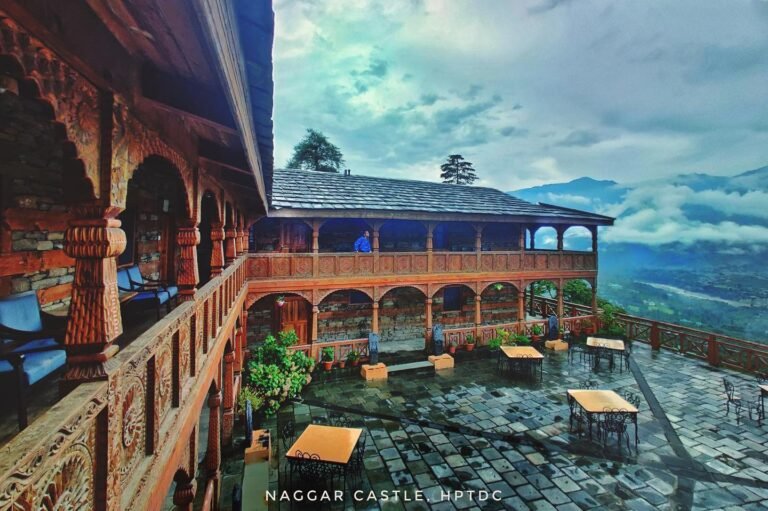
  • Cultural Treasures: Explore the Naggar Castle, an architectural marvel, and visit ancient temples like Gauri Shankar Temple and Jagatipatt Temple. These stone witnesses to history will inspire your storytelling.
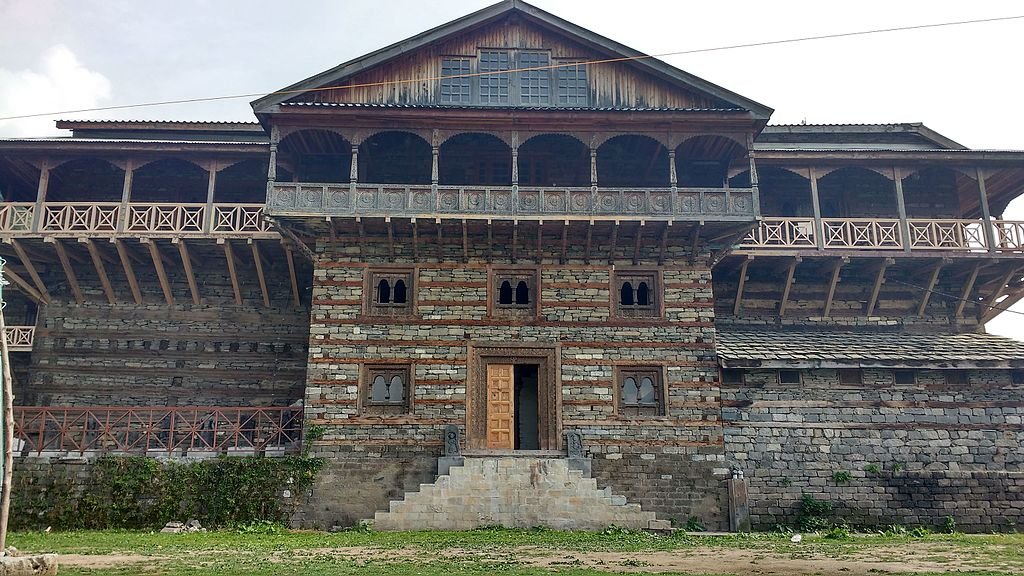
Naggar castle near Kullu
  • Wooden Houses: Traditional wooden houses dot the landscape, exuding warmth and authenticity. Imagine capturing their intricate designs against the backdrop of mountains.
Loved the Aaashni Skylight Wooden Cottage. Below are the directions.

Adventure Awaits: Naggar is an ideal base for trekking and offbeat trails. Engage with locals and discover hidden gems—the kind of experiences that make vlogs memorable. Talk about trek and hiking, this is a place to go, especially in winter. Who does not love the snow hike?

The view up-top!
  • Jana Waterfall: Situated approximately 11.5 kilometres from Naggar Castle, Jana Waterfall is nestled amidst pine trees. The journey to this cascading wonder takes you along a meandering hilly route, adding to the excitement. The best time to visit is in the monsoons.
Maniram Dhaba is just below the waterfall, have amazing Siddu there, but do not litter the place.

How to Reach Naggar?

  • By Road: Naggar is well-connected by road. From Bhuntar Airport (approximately 50 kilometres away), hire a taxi or take a bus. 
  • Best Route: Take a bus from Delhi or Chandigarh to Manali. From Manali, hop on a local bus—it’s just an hour’s journey. Alternatively, a cab ride from Manali takes around 30-45 minutes.

Where to Stay?

  • Aashni Skylight: 1 KM after Jana waterfall. Directions are above, although there are other properties but this was the best. Our friend Deva, made sure that everything was there for us.
Deva and I, the morning view was awesome with snow-covered benches and chairs.

Offbeat Adventures

  1. Jana Falls: Hike to Jana Falls, where tranquil waters cascade down cliffs. Maniram Dhaba does not disappoint when it comes to local delicacy.
  2. Gauri Shankar Temple: Pay homage to Lord Shiva and Goddess Parvati at this ancient temple. Capture the spiritual essence in your vlog.
  3. Rumsu Village Hike: Rise early for a soul-stirring hike in Rumsu village. The golden morning light filtering through pine trees—pure magic!
  4. Sissu Day Trip: Venture to Sissu for a change of scenery. The journey itself, through deodar forests and apple orchards, is a visual treat.

Best Season to Visit

  • September to November: Crisp air, clear skies, and vibrant foliage make autumn the perfect time. Capture the transition from green to gold. If you can withstand low temperatures, I would recommend January when there is fresh snowfall.

Your 5-Day Naggar Itinerary

  1. Day 1: Arrive in Manali, take a local cab or bus to Naggar, and explore.
  2. Day 2: Morning hike in Rumsu village, evening trip to Jana Falls.
  3. Day 3: Day trip to Sissu.
  4. Day 4: Head to Soil Village, stopping at Sajla waterfall en route.
  5. Day 5: Reflect on your Naggar adventures and create magic for your vlog.

Remember, Naggar isn’t just a place—it’s an experience waiting to be shared.

Let me know in the comments section what you think about this place.

The Ethics of Colonizing Mars: Should We Invest in Space or Fix Earth First?

In recent years, the concept of colonizing Mars has moved from the realm of science fiction to the edges of plausible reality. Visionaries like Elon Musk and companies like SpaceX are leading the charge, with ambitious plans to send humans to Mars shortly. This bold venture is often touted as humanity’s next great leap, a necessary step to ensure the survival of our species. However, as we stand on the brink of becoming an interplanetary species, a crucial ethical question arises: Should we invest in colonizing Mars or focus on fixing the myriad problems facing Earth first?

The Case for Colonizing Mars

Advocates for Mars colonization argue that humanity must become a multi-planetary species to ensure its long-term survival. Earth faces numerous existential threats, from natural disasters like supervolcanoes and asteroid impacts to human-made challenges such as nuclear war and climate change. Proponents believe that establishing a colony on Mars could serve as a “plan B” for humanity, a safeguard against catastrophic events that could render Earth uninhabitable.

Furthermore, the pursuit of Mars colonization could drive technological and scientific advancements. The challenges of space travel and colonization are immense, and overcoming them would likely lead to innovations with wide-ranging applications. For instance, developing sustainable life support systems for Mars could revolutionize our approach to resource management and sustainability on Earth.

The Ethical Dilemma: Earth First?

Despite these compelling arguments, there is a strong ethical case for prioritizing the resolution of Earth’s problems before venturing into space. Critics argue that the resources required for Mars colonization—both financial and intellectual—could be better spent addressing urgent issues such as climate change, poverty, and environmental degradation.

Climate change, in particular, poses an immediate and significant threat to global stability. Rising temperatures, extreme weather events, and sea level rise are already impacting millions of people, and these effects are expected to worsen. The resources allocated to Mars colonization could instead fund renewable energy projects, climate mitigation strategies, and conservation efforts that could prevent the worst outcomes of climate change and improve the quality of life for countless individuals.

Environmental Ethics: Preservation vs. Expansion

From an environmental ethics perspective, the idea of colonizing another planet while failing to protect our own raises questions about our responsibility as stewards of Earth. If humanity cannot manage and preserve the delicate ecosystems of our home planet, what moral right do we have to exploit and potentially damage another?

Moreover, the environmental impact of launching repeated missions to Mars could be significant. Rocket launches produce substantial amounts of greenhouse gases, and the extraction of resources for such missions can lead to environmental degradation. Before we embark on colonizing another planet, it is crucial to consider the ecological footprint of our space endeavours.

Social Justice and Equity

The ethical debate also encompasses issues of social justice and equity. The vast majority of humanity would not benefit directly from Mars colonization, at least in its initial stages. The endeavour would likely be driven by and benefit a small group of wealthy individuals and nations. This raises questions about the equitable distribution of resources and the prioritization of investments.

Should we not first address the disparities and injustices on Earth before spending billions on interplanetary colonization? Providing clean water, food security, healthcare, and education to impoverished populations could have a more immediate and profound impact on human well-being than a Mars colony.

Philosophical Reflections: The Human Spirit of Exploration

However, the human spirit of exploration and the desire to push boundaries cannot be ignored. Throughout history, humanity has ventured into the unknown, from crossing oceans to exploring the depths of space. These endeavours have often led to significant advancements and a broader understanding of our place in the universe.

Colonizing Mars could be seen as the next chapter in this grand narrative of exploration. It represents not just a practical step for survival, but a profound expression of our innate curiosity and drive to explore. It challenges us to dream bigger and to innovate in ways we might not have considered if we were solely focused on terrestrial concerns.

Finding a Balance: Coexistence of Goals

Ultimately, the debate does not have to be an either/or proposition. It is possible to pursue Mars colonization while also addressing Earth’s pressing issues. The key lies in finding a balance and ensuring that our space endeavours do not detract from our responsibilities at home.

Investing in space exploration can coexist with sustainable development on Earth. The technological advancements driven by the Mars mission could also benefit our planet. For instance, innovations in renewable energy, waste management, and life support systems developed for Mars could be adapted to address environmental challenges on Earth.

Conclusion

The ethics of colonizing Mars is a complex and multifaceted issue. While the allure of becoming an interplanetary species is strong, it is essential to weigh this against our responsibilities to our home planet and our fellow humans. By fostering a balanced approach that prioritizes sustainability, equity, and scientific advancement, we can aspire to reach the stars without neglecting the needs of Earth.

In the end, the decision to colonize Mars is not just about survival or exploration; it is a reflection of our values and priorities as a species. It challenges us to consider what kind of future we want to build and what legacy we wish to leave for generations to come.

Morey Plains in Ladakh

A Breathtaking Oasis: Unveiling the Magic of Morey Plains in Ladakh

Ladakh, the “Land of High Passes,” is a tapestry woven with stark beauty, dramatic landscapes, and ancient cultures. Nestled amidst the mighty Himalayas, it beckons adventurers with its rugged charm and promises of unforgettable experiences. Among its many treasures lies Morey Plains, a high-altitude plateau that offers a stunning contrast to the surrounding mountains and serves as a haven for bikers and nature enthusiasts alike.

Morey Plains, also known as Kiang Chu Thang in the local language, translates to “the plain where the kiang (Tibetan wild ass) does not find water.” This aptly describes the unique landscape – a vast expanse of arid plains situated at an average elevation of 4,800 meters. Located on the Leh-Manali Highway, approximately 40 kilometres between the villages of Pang and Tanglang La, Morey Plains provides a much-needed respite from the arduous climb towards the highest motorable pass in the world.

A Landscape Painted in Contrasts

Do follow me on Instagram.

The visual appeal of Morey Plains lies in its stark yet stunning beauty. The seemingly endless plains stretch out like a golden carpet, dotted with patches of vibrant wildflowers that bloom in a riot of colours during the brief summer months. Contrasting with the golden hues are the snow-capped peaks of the Himalayas that rise majestically in the distance, their icy crowns shimmering under the clear blue sky. This juxtaposition of arid plains and snow-clad mountains creates a breathtaking panorama that leaves a lasting impression on every visitor.

A Haven for Birdwatchers and Nature Enthusiasts

Check this video to see what Morey Plains look like from a biker’s perspective. My YouTube Channel

Despite its seemingly barren landscape, Morey Plains is home to a surprising variety of wildlife. The wide-open spaces make it an ideal habitat for birds, particularly those adapted to high-altitude environments. Keen observers might spot flocks of Tibetan ground jay, lammergeyers soaring gracefully on the thermals, and the elusive Himalayan golden eagle gliding effortlessly across the sky. Marmots, with their watchful eyes and playful antics, often scurrying around the rocky outcrops, add further charm to the plains.

A Cyclist’s Paradise

Cycling in Ladakh in Morey plains

For cyclists embarking on the challenging journey between Leh and Manali, Morey Plains offers a welcome change in terrain. After battling steep inclines and treacherous curves, the smooth, flat expanse of the plains provides a much-needed break for both riders and their machines. The gentle breeze caressing your face and the panoramic views unfolding before you create a truly exhilarating experience.

A Journey Through Time: Nomadic Life on the Plains

While Morey Plains may appear desolate at first glance, it holds traces of a fascinating nomadic culture. The Changpa nomads, known for their resilience and adaptation to harsh environments, frequent these plains with their herds of pashmina goats and sheep during the summer months. Spotting their colourful tents pitched against the backdrop of the mountains adds a touch of human presence to this remote landscape.

Beyond the Plains: Exploring the Environs

Morey Plains, though stunning in their own right, serve as a gateway to other captivating destinations in Ladakh. A short detour from the plains leads you to the breathtaking Pangong Tso, a high-altitude saltwater lake known for its mesmerizing beauty and ever-changing colors. For those seeking a spiritual connection, the ancient monasteries of Diskit and Thiksey, perched precariously on hilltops, offer a glimpse into Ladakh’s rich Buddhist heritage.

Practicalities for Visiting Morey Plains

The best time to visit Morey Plains is during the summer months, typically between June and September. During this period, the weather is relatively pleasant, with clear skies and mild temperatures. However, the altitude can be a significant challenge, so proper acclimatization before attempting a visit is crucial. Visitors are advised to carry warm clothes, sunscreen, sunglasses, and a hat as the weather can change rapidly at high altitudes.

A Word of Caution: Responsible Tourism

The fragile ecosystem of Morey Plains requires careful consideration from visitors. It is essential to practice responsible tourism by leaving no trace behind. This means taking back all your waste, minimizing noise pollution, and respecting the local wildlife. Additionally, avoid venturing off the designated routes as it may damage the delicate vegetation.

Morey Plains, a unique and captivating plateau, is more than just a scenic stop on a journey. It’s a place to experience the raw beauty of Ladakh, connect with nature in its purest form, and gain a deeper appreciation for the resilience of life in extreme environments. So, pack your bags, fuel your adventurous spirit, and head towards Morey Plains – a hidden gem waiting to be discovered in the heart of the Himalayas.