
Home Blog Page 4

Sonam Wangchuk and the Ladakhi Struggle

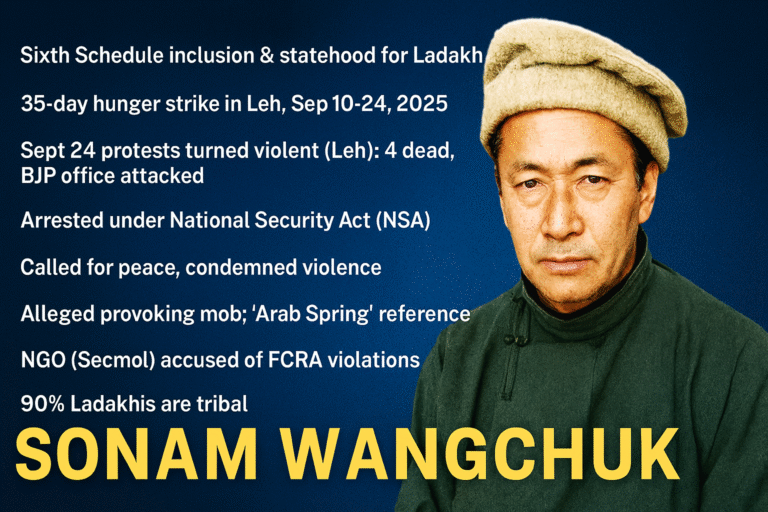
In the icy silence of Leh, a storm has been brewing, not of snow, but of resistance. Sonam Wangchuk, the celebrated climate activist and innovator behind the Students’ Educational and Cultural Movement of Ladakh (SECMOL), has become the face of a movement demanding constitutional safeguards for Ladakh. What began as a peaceful Gandhian protest has now escalated into one of the most volatile political standoffs in recent Indian history.

📜 The Timeline: Sonam Wangchuk’s From “Delhi Chalo” to Hunger Strikes

The roots of Sonam Wangchuk’s activism trace back to the aftermath of the 2019 abrogation of Article 370, which turned Ladakh into a Union Territory. While the move was initially welcomed, it soon became clear that Ladakh’s unique tribal identity, ecological fragility, and cultural heritage were at risk. Wangchuk, along with other Ladakhi leaders, began advocating for inclusion under the Sixth Schedule of the Constitution, a provision that offers autonomy and protection to tribal regions.

In late 2024, Sonam Wangchuk launched the “Delhi Chalo Padyatra,” a peaceful march from Leh to New Delhi with 120 fellow activists. They were detained at the Delhi border on September 30, 2024, but later released and allowed to visit Rajghat on October 2. When their request to meet the President, Prime Minister, or Home Minister went unanswered, Wangchuk began a 16-day hunger strike starting October 5. He ended it on October 21 after the Home Ministry assured talks in December.

Fast forward to September 10, 2025: Sonam Wangchuk began a 35-day hunger strike at Shaheed Park in Leh. This time, the stakes were higher. Protesters from across India joined in solidarity, and the demand was clear, statehood for Ladakh and Sixth Schedule inclusion.

🧠 What Sonam Wangchuk Wanted

Sonam Wangchuk’s demands were not radical; they were constitutional, logical, and deeply rooted in Ladakh’s demographic and ecological realities:

  1. Sixth Schedule Inclusion: To protect Ladakh’s 90% tribal population from land and job exploitation.
  2. Statehood: To grant Ladakh legislative powers and democratic accountability.
  3. Local Public Service Commission: To ensure fair recruitment and prevent outsider dominance.
  4. Separate Parliamentary Representation: One Lok Sabha seat for Kargil and one Rajya Sabha seat.
  5. Land and Job Security: Legal safeguards against external encroachment.

These demands were backed by the Leh Apex Body and the Kargil Democratic Alliance, representing both Buddhist and Muslim communities, a rare show of unity in a region often divided by geography and faith.

🔥 The Flashpoint: Violence and Arrest

On September 24, 2025, the peaceful protest took a dark turn. Youth protesters, frustrated by years of neglect, clashed with police in Leh. The local BJP office and Hill Council were attacked, and a CRPF vehicle was set ablaze. Four people died, and over 90 were injured.

The government swiftly blamed Wangchuk, citing his “provocative speeches” and references to the Arab Spring and Nepal’s Gen Z protests. The Ministry of Home Affairs alleged that these remarks incited mob fury and led to the violence. Wangchuk, however, condemned the violence and urged protesters to maintain peace, stating that such actions “damaged the cause”.

On September 26, Wangchuk was arrested under the National Security Act (NSA), a law typically reserved for threats to national security. He was taken into custody before a scheduled press conference and moved out of Ladakh. The arrest marked a dramatic escalation in the Centre’s crackdown on dissent.

💸 The Financial Angle: FCRA Cancellation

Adding fuel to the fire, the government cancelled the FCRA license of SECMOL, Wangchuk’s NGO, citing violations. Allegations included:

  • Depositing local funds into FCRA accounts.
  • Diverting funds for “non-permissible activities.”
  • Undeclared bank accounts and foreign remittances.
  • CSR funds allegedly routed to Wangchuk’s private firm, Sheshyon Innovation.

The CBI and Income Tax Department have launched investigations into these claims. Wangchuk has denied wrongdoing, calling it a “scapegoat tactic” to deflect from Ladakh’s real issues.

🧭 What the Government Did (and Didn’t)

To its credit, the Centre did initiate some reforms:

  • ST reservation increased from 45% to 84%.
  • One-third representation for women in local councils.
  • Bhoti and Purgi are recognised as official languages.
  • Recruitment for 1,800 government posts has been initiated.

But these steps fell short of the core demand: constitutional protection. The High-Powered Committee (HPC) set up for dialogue failed to deliver concrete outcomes, and informal meetings lacked transparency. The delay and ambiguity only deepened mistrust.

🧘 The Bigger Picture

Wangchuk’s arrest has sparked outrage across India. Students, activists, and Ladakhi citizens see it as a betrayal of democratic values. The movement, once a symbol of peaceful resistance, now faces suppression. Yet, the unity between Leh and Kargil, Buddhists and Muslims, remains a powerful force.

Ladakh’s struggle is not just about autonomy, it’s about identity, ecology, and dignity. Sonam Wangchuk, whether behind bars or fasting in the cold, has become its most enduring symbol.


The Science Behind Standardized Air Conditioning Temperatures

Air conditioning has become essential to modern living, helping regulate temperatures in homes, offices, and industrial spaces. Many users assume they can set their AC to any temperature they prefer. However, temperature settings have been standardized across various regions and industries. This standardization exists to balance energy efficiency, user comfort, and environmental sustainability while ensuring optimized cooling without excessive electricity usage.

But why do authorities recommend specific temperatures, such as 24°C to 26°C? What happens when you set the AC lower or higher than these recommendations? In this article, we’ll explore the science, economics, and environmental impact behind standardized AC temperature regulations.

Read more interesting articles.

The Energy Equation: How Temperature Affects Power Consumption

Air conditioning standards

When an air conditioner operates, it uses compressors, refrigerants, and fans. These components regulate indoor temperature by removing heat. They also maintain the desired cooling level. However, lower temperature settings require the AC to work harder, leading to increased power consumption.

1. Power Demand and Electricity Bills

Each degree lower on an AC thermostat increases electricity consumption by approximately 5-7%. If the default setting is 24°C, lowering it to 18°C can lead to a significant increase in monthly electricity bills. This reduction also strains the power grid.

2. HVAC System Efficiency

For commercial buildings and homes, heating, ventilation, and air conditioning (HVAC) systems are optimized for specific cooling parameters. This optimization ensures smooth operation and longevity. Lower temperature settings can overwork compressors, leading to faster wear and tear, frequent maintenance, and a shorter lifespan.

3. Grid Stability and Peak Load Management

National power grids manage peak load demands, especially during summer when millions of air conditioners operate simultaneously. Standardizing AC temperatures helps reduce grid overload risks, preventing blackouts and power shortages.

Thermal Comfort: Human Body Adaptation to Cooling

The concept of thermal comfort is based on physiological adaptation to indoor temperatures. Scientific studies show that the ideal room temperature for human comfort ranges from 22°C to 26°C. This depends on humidity levels and clothing.

1. Why 24–26°C is Considered Ideal

  • Reduces sudden temperature fluctuations, preventing discomfort or health issues.
  • Prevents dry air syndrome, avoiding irritation in the throat and skin caused by excessively low temperatures.
  • Balances humidity levels, preventing excessive condensation and mold formation.

2. Negative Impact of Overcooling

  • AC settings below 20°C can cause thermal shock, leading to headaches, fatigue, and dehydration.
  • Continuous exposure to lower temperatures can weaken immune responses, making individuals more prone to colds or respiratory issues.

3. Adaptive AC Technology

Modern air conditioners feature adaptive cooling mechanisms. They include smart thermostats, which automatically adjust temperatures. These adjustments are based on outdoor climate conditions and occupancy.

Environmental Considerations: Reducing Carbon Footprint

AC systems contribute significantly to carbon emissions, with energy-intensive cooling processes consuming vast amounts of electricity. Governments worldwide have set temperature regulations to encourage sustainable energy practices.

1. How AC Temperature Impacts Carbon Emissions

  • Excessive cooling leads to higher electricity consumption, increasing demand from coal-fired or gas-powered plants.
  • Higher energy consumption leads to greater fossil fuel dependency, increasing greenhouse gas emissions.

2. Government Regulations on AC Temperatures

Several countries have introduced mandatory temperature guidelines:

  • India – The Bureau of Energy Efficiency (BEE) recommends 24°C–26°C to lower energy wastage.
  • Japan – Offices are required to set AC temperatures no lower than 28°C under Cool Biz guidelines.
  • European Union – Various policies suggest standardized cooling settings between 24°C–26°C.

3. The Role of Energy Star & Smart AC Systems

To promote eco-friendly cooling, manufacturers now produce smart air conditioners with:

  • Eco Mode – Optimized cooling at moderate energy usage.
  • AI-based Climate Adaptation – Intelligent adjustment based on external temperature and humidity.
  • Energy Star Certification – Compliance with energy-saving ratings.

Economic Benefits of AC Temperature Standardization

Standardizing AC temperatures doesn’t just help energy conservation—it also benefits businesses and households financially.

1. Lower Electricity Bills

By maintaining 24°C–26°C, commercial buildings and homes can reduce monthly energy costs by 10-20%.

2. Operational Savings for Businesses

Corporate offices, shopping malls, and government buildings benefit from optimized air conditioning, lowering annual expenditures on electricity and equipment maintenance.

3. Long-Term Cost Benefits

Sustained moderate cooling reduces HVAC maintenance costs, extends AC unit lifespan, and prevents excessive refrigerant usage, leading to long-term savings.

Conclusion

Standardizing AC temperatures isn’t just about personal preference. It’s a scientifically driven decision. It is also environmentally and economically significant. This benefits both individuals and the planet. Maintaining a moderate temperature range (24°C–26°C) optimizes cooling efficiency, reduces electricity bills, minimizes carbon footprint, and enhances long-term system reliability.

As air conditioning technology continues evolving, AI-powered climate control will become prevalent. Smart thermostats will ensure intelligent cooling without energy wastage. Whether you’re running a business or just relaxing at home, it is important to adhere to temperature standardization. This practice ensures comfort. It also provides savings and sustainability for the future. 🌍❄

️

Reservation System in India Critial Analysis

India’s reservation system was introduced as a means of social justice, aiming to uplift historically disadvantaged communities. However, over the years, it has sparked intense debates regarding its effectiveness, fairness, and unintended consequences. While reservation policies have helped many, they have also led to economic inefficiencies, merit dilution, and social divisions.

This article explores the negative effects of the reservation system in India. It is backed by data and real-world examples. These help to understand its broader impact on Indian society. Like the effect of toxic feminism, the article I wrote a week ago. Read here!

Impact on Meritocracy and Quality of Workforce

One of the most debated aspects of reservation is its impact on meritocracy. Critics argue that relaxing entry criteria for reserved categories leads to a decline in overall quality in education and employment.

Key Statistics:

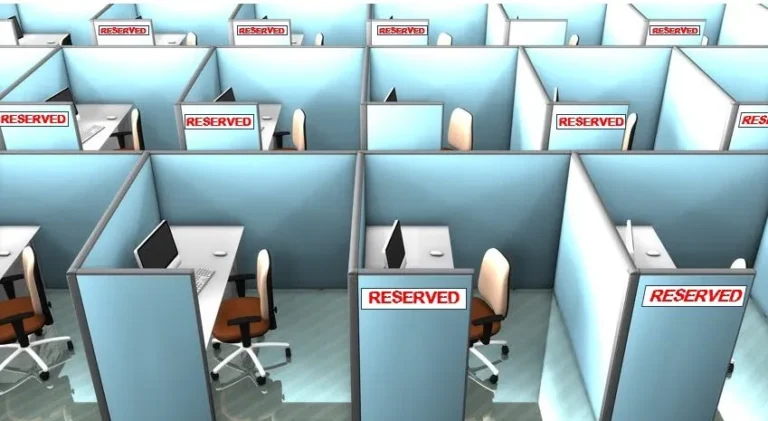
Reservation system in India against general caletory.
  • A study by NITI Aayog found that over 60% of reserved category students in premier institutions struggle with coursework. This is due to lower cutoff scores. Case studies here.
  • In government jobs, reports indicate that efficiency levels in certain departments have dropped by 15-20%. This is due to quota-based hiring rather than merit-based selection.

While reservation ensures representation, it sometimes compromises efficiency, especially in critical sectors like healthcare, engineering, and administration. Let us see the consequences of the reservation system in these critical sectors.

Healthcare

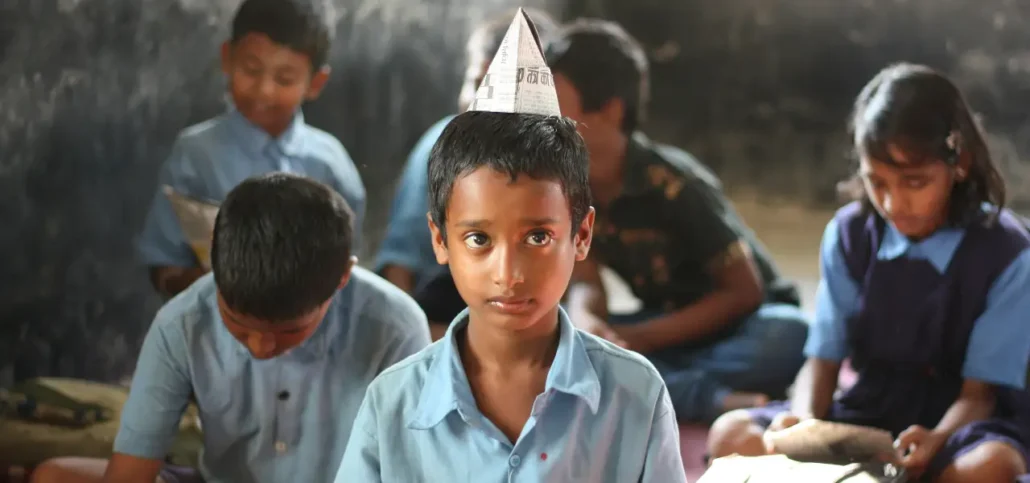
Negative effect of reservation in healthcare industry

Impact on Medical Education

  • Lower Cutoff Scores: Reserved category students often enter medical colleges with lower entrance exam scores. This leads to concerns about academic preparedness.
  • Dropout Rates: Studies indicate that reserved category students face higher dropout rates due to academic pressure.
  • Limited Seats for Merit-Based Candidates: Reservation reduces the number of open-category seats, affecting students who qualify purely on merit.

Quality of Healthcare Services

  • Competency Concerns: Some argue that quota-based admissions lead to less competent doctors, impacting patient care.
  • Skill Gap in Rural Healthcare: Reservation aims to increase representation. However, many reserved-category doctors prefer urban postings. This preference leaves rural areas underserved.

Social & Professional Challenges

  • Discrimination & Bias: Reserved-category doctors often face discrimination from peers and patients, affecting their confidence and career growth.
  • Caste-Based Conflicts: Medical institutions have reported caste-related tensions, leading to mental health issues among students.

Brain Drain & Private Sector Shift

  • Migration of Merit-Based Doctors: Many high-ranking medical students move abroad due to limited opportunities in India.
  • Preference for Private Practice: Some reserved-category doctors struggle in competitive environments and opt for private clinics instead of government hospitals.

While reservation ensures representation, it also raises concerns about efficiency, fairness, and healthcare quality.

Education & Engineering Sector

Effect of reservation in education sector

The reservation system in India has both positive and negative impacts on the education and engineering sectors. While it aims to provide opportunities for marginalized communities, it also raises concerns about meritocracy, efficiency, and skill development.

Impact on Higher Education

  • Lower Cutoff Scores: Reserved category students often enter top institutions with significantly lower entrance exam scores. This raises concerns about academic preparedness.
  • Dropout Rates: Studies show that reserved category students face higher dropout rates due to academic pressure. They often lack foundational skills.
  • Limited Seats for Merit-Based Candidates: Reservation reduces the number of open-category seats, affecting students who qualify purely on merit.

Effect on the Engineering Sector

  • Skill Gap: Some argue that quota-based admissions may lead to less competent engineers, impacting innovation and industry standards.
  • Reduced Global Competitiveness: Indian engineering graduates face challenges in international job markets due to skill disparities.
  • Brain Drain: Many high-ranking engineering students move abroad due to limited opportunities in India.

Economic & Social Challenges

  • Caste-Based Conflicts: Engineering institutions have reported caste-related tensions, affecting student mental health.
  • Preference for Private Sector: Many reserved-category engineers struggle in competitive environments and opt for government jobs instead of private firms.

Economic Burden and Reduced Productivity

Reservation policies have financial implications for the government and private sector. The cost of subsidizing education and employment quotas often leads to budget constraints.

Key Statistics:

  • The Indian government spends over ₹50,000 crore annually on reservation-based subsidies and scholarships.
  • A World Bank report suggests that India’s GDP could be 1.5% higher if merit-based hiring was prioritized over reservation-based recruitment.

The economic burden of reservation policies affects taxpayers. Funds should be used for infrastructure, healthcare, and innovation are diverted to quota-based programs.

Social Division and Caste-Based Politics

While reservation was meant to reduce caste discrimination, it has ironically reinforced caste identities in Indian society. Political parties often exploit caste-based reservations for electoral gains, leading to divisive politics.

Key Statistics:

  • A survey by CSDS-Lokniti found that 75% of Indians believe caste-based reservations fuel social divisions rather than reducing inequality.
  • In higher education, caste-based conflicts have increased by 30% in the last decade, according to NCERT reports.

Reservation policies have deepened caste consciousness instead of eliminating caste barriers. They have made it a political tool rather than a social reform.

Impact on the Private Sector and Brain Drain

While government jobs and educational institutions follow reservation policies, the private sector remains largely merit-driven. This has led to brain drain, where talented individuals migrate abroad for better opportunities.

Key Statistics:

  • Over 30% of IIT and IIM graduates move to foreign countries due to limited merit-based opportunities in India.
  • A survey by ASSOCHAM found that 80% of private companies prefer merit-based hiring. This preference leads to disparities in job opportunities between reserved and non-reserved candidates.

The lack of merit-based opportunities in India has pushed skilled professionals abroad, affecting the country’s global competitiveness.

The “Creamy Layer” Problem

The reservation system was designed to help the economically and socially disadvantaged. However, the “creamy layer”—wealthier individuals within reserved categories—often benefit disproportionately, leaving truly marginalized groups behind.

Key Statistics:

  • A Supreme Court ruling in 2024 suggested that over 40% of reserved category beneficiaries belong to the creamy layer.
  • In government exams, data shows that only 30% of reserved category candidates come from economically weaker backgrounds.

This misallocation of benefits has led to inefficiencies. Privileged individuals within reserved categories continue to secure top positions. Meanwhile, poorer sections remain disadvantaged.

Conclusion: The Need for Reform

While reservation policies have played a crucial role in uplifting marginalized communities, their negative effects cannot be ignored. India needs a balanced approach, focusing on:

  • Economic-based reservation rather than caste-based quotas.
  • Merit-based selection with support programs for disadvantaged groups.
  • Gradual phasing out of the reservation system in higher education and government jobs.

A reformed system can ensure fairness, efficiency, and social harmony, making India a truly merit-driven nation.

Why BCCI is not taxed?

BCCI’s net worth is estimated to be around 2 billion USD. Its total revenue has exceeded $15 billion since its inception. The IPL alone contributes hundreds of millions of dollars annually to BCCI’s earnings. This is just not it, BCCI receives 38.5% of ICC’s revenue, amounting to approximately $231 million per year.

So, if an organisation earns so much, how come it is exempt from paying taxes? Welcome to the most hilarious taxation system in the world. Yes, the Indian tax system.

Read my last article on Operation Sindoor.

BCCI Tax 2024 Figures

BCCI Tax 2024

The Board of Control for Cricket in India (BCCI) reported a revenue of ₹20,686 crore for the 2024 financial year. This marks an increase of ₹4,200 crore compared to the previous year.

Key Revenue Sources

  • Indian Premier League (IPL): A major contributor, with media rights sold for ₹48,390 crore in 2022.
  • Bilateral Series & ICC Revenue: BCCI receives a significant share from international cricket events.
  • Sponsorships & Broadcasting Deals: Partnerships with major brands and broadcasters.

Comparison with Other Cricket Boards

  • Cricket Australia (CA): ₹658 crore.
  • England & Wales Cricket Board (ECB): ₹492 crore.
  • Pakistan Cricket Board (PCB): ₹458 crore.
  • Bangladesh Cricket Board (BCB): ₹425 crore.

BCCI remains the wealthiest cricket board, with its revenue surpassing the combined earnings of several other boards.

IPL is totally tax-free, as the prestigious folks think that & the Income Tax Appellate Tribunal ruled that IPL profits are used for cricket promotion. Amazing!

Burden on 2% of Middle Class Taxpayers

Exploited middle class tax payer

In India, around 86 million income tax returns were filed in the assessment year 2024. However, not all filers had tax liabilities, as many benefited from rebates and exemptions.

Income Tax Collection in 2024

  • Total direct tax collection: ₹25.86 lakh crore.
  • Corporate tax: ₹12.40 lakh crore.
  • Personal income tax: ₹12.90 lakh crore.
  • Securities transaction tax (STT): ₹53,095 crore.
  • Other taxes: ₹3,399 crore.

After refunds of ₹4.60 lakh crore, the net direct tax collection stood at ₹21.26 lakh crore.

Tax vs Facilities

India’s middle class benefits from various tax relief measures, especially under the new tax regime introduced in Budget 2025. Here’s a breakdown of tax vs. benefits:

Tax Structure for Middle-Class Earners

  • Income up to ₹12 lakh – Zero tax liability due to rebates.
  • Standard deduction – Increased to ₹75,000, reducing taxable income.
  • Marginal relief – Prevents steep tax burdens for those earning slightly above ₹12 lakh.

Key Benefits for Middle-Class Taxpayers

  • Higher disposable income – Reduced tax rates leave more money in hand.
  • Simplified tax filing – The new regime is now the default option, making compliance easier.
  • Savings on home loans – Tax exemptions on interest payments under Section 80CCC.
  • Senior citizen benefits – Deduction limits doubled from ₹50,000 to ₹1 lakh.

Impact on the Economy

  • Encourages consumer spending and savings.
  • Boosts investment in housing and financial markets.
  • Improves tax compliance by making filing easier.

The middle class stands to gain significantly from these reforms, ensuring lower tax burdens and higher financial security. Let me know if you need insights on tax-saving strategies!

Now all this has been told to you, and you have been brainwashed to such an extent that you do not believe that the middle class is actually not getting any benefit. It’s the upper class and the higher upper class and elites who take away all the benefits.

Most of the tax collected is distributed to useless people as freebess for luring them to vote.

Freebess Culture

Freebess Culture

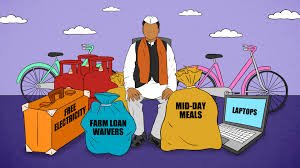
The debate around freebies vs. welfare is ongoing, with concerns about how excessive handouts impact economic growth and fiscal stability. Some government freebies that have been criticised for being inefficient or unsustainable include:

Examples of Controversial Freebies

  1. Free Electricity & Water – While beneficial for low-income households, excessive subsidies strain state budgets.
  2. Farm Loan Waivers – Often seen as a short-term political move rather than a long-term agricultural reform.
  3. Free Laptops & TVs – Distributed in some states, but critics argue they don’t contribute to economic productivity.
  4. Cash Transfers Without Work Requirements – Direct cash handouts can discourage employment and economic participation.
  5. Free Public Transport for All – While helpful for some, blanket free transport schemes can lead to revenue losses.
  6. Gold & Luxury Items – Some states have promised gold for weddings, raising concerns about the misuse of public funds.

The Supreme Court of India has raised concerns about the growing trend of political parties offering freebies before elections, questioning whether such policies create dependency. While some argue that freebies help the poor, others believe they burden taxpayers and reduce incentives for work

What needs to be done?

Balancing freebies and economic stability requires a nuanced approach where welfare programs uplift the needy without straining public finances or discouraging productivity. Here’s how policymakers can strike the right balance:

1. Prioritising Productive Welfare Over Handouts

  • Invest in education & skill development rather than unconditional cash transfers.
  • Focus on employment generation instead of blanket subsidies.
  • Encourage entrepreneurship with microfinance and startup support.

2. Reforming Freebie Policies

  • Targeted subsidies – Ensure benefits reach only the truly disadvantaged.
  • Sunset clauses – Limit freebies to a specific period instead of making them permanent.
  • Conditional benefits – Tie welfare to employment, education, or civic responsibilities.

3. Encouraging Fiscal Responsibility

  • Limit debt-funded giveaways – Avoid excessive borrowing for populist measures.
  • Transparency in budgeting – Disclose how freebies impact long-term fiscal health.
  • Public-private partnerships – Engage businesses in sustainable social initiatives.

4. Learning from Global Models

Countries like Germany & Singapore focus on skill-building programs rather than freebies, ensuring sustainable economic growth. Adopting such strategies in India can help balance welfare with financial prudence.

Operation Sindoor – Win for India

No one won Operation Sindoor except the media from both countries. Do you think the press and the military from either side would tell you the truth? Would they let the trust of their people vanish? Let me shed some common sense here…

India’s Defence & Intelligence Budget 2025-2026

india's defence budget 2025

India’s defence budget 2025 – DE-CLASSIFIED

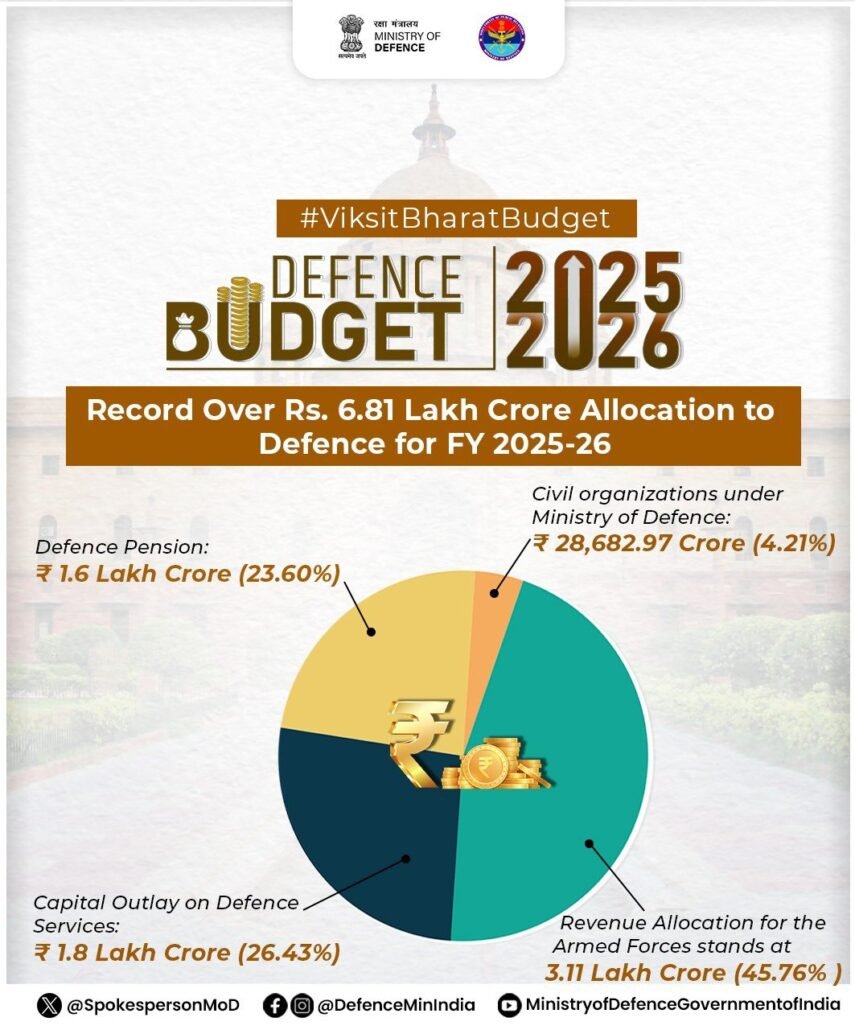
India’s Defence budget for 2025-2026 is approximately USD 77.4 billion. This marks a 9.5% increase from the previous year, with a strong focus on modernization, self-reliance, and indigenous Defence production. Let me give you the breakdown of this as well, so you get the issue at a granular level.

Here’s the breakdown of India’s defence budget for 2025-2026, which totals $77.4 billion: Source: IDSA, PRSINDIA.ORG & EY.COM.

  • Revenue Expenditure (46%) – Covers salaries, allowances, and operational preparedness.
  • Capital Outlay (26%) – Funds acquisition of new equipment and infrastructure development.
  • Defence Pensions (24%) – Supports retired military personnel, including the One Rank One Pension scheme.
  • Civil Expenditure (4%) – Includes administrative costs and border infrastructure projects.

Indian Intelligence Budget Details – CLASSIFIED, BUT WHY?

Indian intelligence budget is not publicly disclosed in detail, as it falls under classified expenditures. Intelligence agencies like the Research and Analysis Wing (RAW) and the Intelligence Bureau (IB) receive funding through the Union Budget. These funds are often categorized under “Secret Service Funds” or “National Security Allocations”.

Isn’t this interesting? The government shares the defence budget but does not publicly disclose the Indian intelligence budget. I wonder what there is to hide? Even a country like the USA discloses their Intelligence budget openly. The United States discloses portions of their intelligence spending. For example, the U.S. Intelligence Community requested $73.4 billion for the National Intelligence Program (NIP) and $28.2 billion for the Military Intelligence Program (MIP) in Fiscal Year 2025. Source: DNI.GOV, DEFENCE.GOV

In contrast, many Euro-Atlantic countries follow a semi-transparent approach, including France, Germany, Poland, and the United Kingdom. They publish total intelligence budgets. However, they avoid revealing specific allocations.

Generally, a country spends 10% to 15% of its allocated defence budget on boosting its intelligence. So with that calculation Indian intelligence budget would be close to 7.7 billion USD, which is approximately 65,743 crore INR.

Fun Fact: India’s total spending on freebies across various welfare schemes has exceeded ₹4.7 lakh crore by 2024-25, with some estimates suggesting it could be as high as ₹9.6 lakh crore when including state-specific subsidies. F*cking 112 billion USD.

Taxpayers are going to be f*cked mate. If you have money, leave India.

Operation Sindoor Background & Pahalgam Attack

Operation Sindoor background

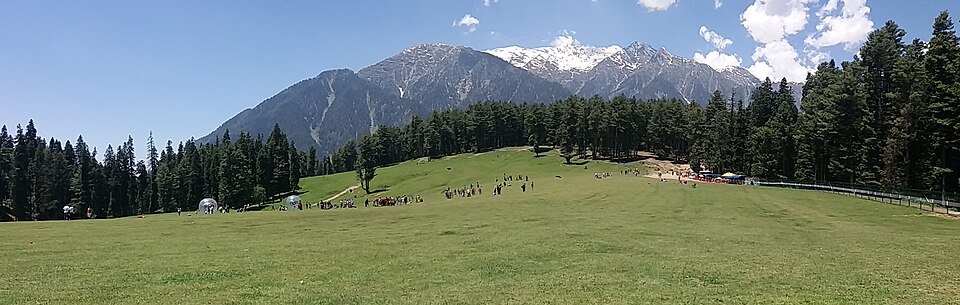
Yes, this is the beautiful mini Switzerland of India (Baisaran) where the attack happened. The Operation Sindoor background is based on this place. Everyone is keen on reading about it. Let’s review some analysis done, as this was Operation Sindoor Background.

The Pahalgam terror attack occurred on April 22, 2025, in Baisaran Valley, a popular tourist destination in Jammu and Kashmir. The attack was carried out by five armed terrorists, resulting in the deaths of 26 civilians, including 24 tourists.

Key Details of the Attack that led to Operation Sindoor

  • Location: Baisaran Valley, Pahalgam, Jammu and Kashmir.
  • Weapons Used: AK-47s and M4 carbines.
  • Casualties: 26 killed, 20 injured.
  • Perpetrators: The Resistance Front (TRF), a shadow outfit of Lashkar-e-Taiba (LeT), initially claimed responsibility but later denied involvement.
  • Targeted Victims: The attackers reportedly singled out Hindu and Christian tourists, asking them to recite Islamic prayers before executing them.

What went wrong? Our billions of dollars of budget is not enough to predict this attack? Or was it an inside job? Some people fail to understand below;

Big 3 Questions – Operation Sindoor background

Operation Sindoor background
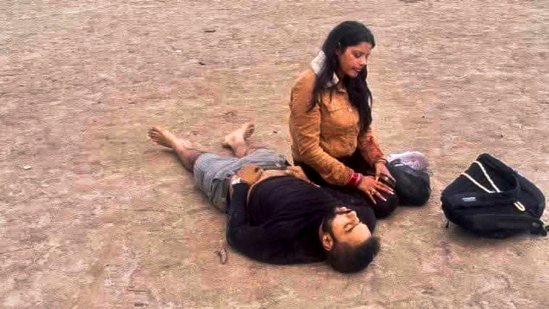
Anantnag: A woman sits next to a man lying on the ground after terrorists attacked a group of tourists at Pahalgam, in Anantnag district, Jammu & Kashmir, Tuesday, April 22, 2025. PTI could not ascertain whether he was alive or not. (PTI Photo)(PTI04_22_2025_000562A)

How did 4 terrorists armed with AK’s and M4s manage to enter Pahalgam? The distance to Pahalgam is approximately 100 to 110 kilometers (62 to 68 miles). It is from the Line of Control (LoC) in Jammu and Kashmir.

It’s been 21 days as of today, and still the 4 terrorists are at large and have not been captured? What intelligence do we boast about?

Security agencies have identified three suspects—Asif Fauji, Suleman Shah, and Abu Talha—who are believed to be Pakistani nationals. Is it easy for Pakistani nationals to come into our country? Can they carry out a strike and go back safely? I do not want to sound harsh, but the credibility is questionable here. Are we not safe in our own country?

Operation Sindoor

operation sindoor latest news

Operation Sindoor was a precision military operation conducted by India. It took place on May 7, 2025. The operation was a response to the Pahalgam terror attack. The operation targeted terrorist infrastructure in Pakistan and Pakistan-occupied Kashmir (PoK), using advanced indigenous defence technologies.

Key Details of Operation Sindoor

  • Objective: Neutralize terror launchpads linked to groups like Lashkar-e-Taiba, Jaish-e-Mohammed, and Hizbul Mujahideen.
  • Execution: Indian forces carried out precision airstrikes on Pakistani airbases and military sites, including Noor Khan and Rahimyar Khan.
  • Technology Used: Rafale jets, SCALP missiles, HAMMER bombs, and loitering munitions were deployed, bypassing Chinese-supplied air defence systems.
  • Diplomatic Strategy: India suspended the Indus Waters Treaty, expelled Pakistani diplomats, and closed key border crossings before launching the operation.
  • Outcome: The strikes were highly effective, destroying 20% of Pakistan Air Force infrastructure, including several fighter jets.

Source: All Indian pro-Modi news outlets. Nothing surprising, of course! We all knew that’s right? Source: TOI, Zee News & Indian Express.

Damage Done To Pakistan

The media houses of both countries are fighting an information propaganda war. However, there is much damage done to Pakistan, which was confirmed by an Indian satellite. Although this has not been shared yet and most information is coming from paid media. Below is a small description summary.

India’s Operation Sindoor inflicted significant damage on Pakistan’s military infrastructure. Here are the key impacts:

  • 20% of Pakistan Air Force (PAF) assets were destroyed, including fighter jets and airbases.
  • 50 Pakistani soldiers, including a Squadron Leader, were killed in the strikes.
  • Major airbases such as Nur Khan (Rawalpindi), Rahim Yar Khan, Mushaf (Sargodha), and Sukkur suffered extensive damage.
  • Radar sites at Pasrur and Sialkot were targeted using precision munitions, disrupting Pakistan’s air defence systems.
  • Satellite images revealed cratered runways and destroyed hangars, forcing Pakistan to suspend flight operations at key bases.

How do we know this? Well…

For a more credible verification, satellite imagery from Maxar Technologies has been widely cited. This imagery provides valuable evidence. These images show before-and-after visuals of key Pakistani airbases and terror infrastructure that were targeted.

Additionally, Kawa Space, an Indian spacetech startup, has provided high-resolution satellite intelligence confirming the extent of the strikes. Their analysis has been referenced by defence experts and independent analysts.

Damage Done to India

No credible sources are confirming significant damage to India during Operation Sindoor. However, Pakistan attempted retaliatory strikes using drones and missiles, which were largely intercepted by India’s multi-layered air defence system.

Some reports suggest minor damage to military installations near the Line of Control (LoC). However, no major casualties have been confirmed by independent sources. Infrastructure losses have not been verified either.

India’s Air Defence Strategy

India’s air defence strategy during Operation Sindoor showcased a multi-layered defence system designed to intercept and neutralize threats effectively. Here are the key components:

India’s Air Defence Strategy

  1. S-400 Triumph System – India deployed Russian-made S-400 air defence systems, capable of intercepting ballistic missiles, fighter jets, and drones.
  2. Barak-8 Missiles – Jointly developed with Israel, these missiles provided medium-range air defence, protecting key military installations.
  3. Akash Surface-to-Air Missiles – Indigenous Akash missile batteries were used to neutralize incoming threats, including Pakistani drones and missiles.
  4. Integrated Counter-Unmanned Aerial System (UAS) Grid – India’s anti-drone technology intercepted Pakistani UAVs, preventing damage to military bases.
  5. Loitering Munitions – India used suicidal drones to strike Pakistani airbases, catching their defences off-guard.
  6. Multi-Layered Radar Network – The Akashteer system digitally merged radar data, allowing real-time interception of threats.

Effectiveness of India’s Air Defence

  • Intercepted all Pakistani missile attacks, preventing damage to Indian military installations.
  • Neutralized drone intrusions, stopping 300-400 Turkish-made Songar drones from breaching Indian airspace.
  • Destroyed Pakistani HQ-9 air defence units, crippling their radar infrastructure.

India’s air defence strategy ensured zero major damage to Indian assets while executing precision retaliatory strikes.

Summing Up

This conflict proved India had an upper hand. It can defend its sovereignty. The question of a billion dollar intelligence failure still persists.

Let me know your views in the comments section. Read more of my articles.

Gender biased laws – Rise of toxic feminism

Gender biased laws. Hot topic, isn’t it? This has been a point of discussion between toxic feminists and men’s rights activists. (MRA’s) According to the National Crime Records Bureau (NCRB) data, a significant number of men have died by suicide due to various reasons, including family problems and marital issues. There have been calls to make domestic violence and harassment laws more gender-neutral to address these concerns.

Check out more of my recent articles.

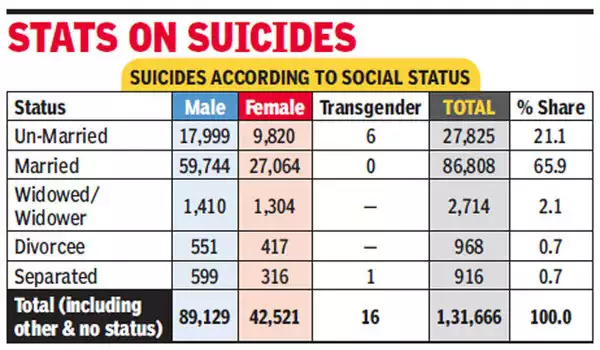
Men are two times more likely to commit suicide when in marriage than women. The toxic feminists want to hide this and debate based on their feelings rather than any statistical points. Here is some data for your reference.

Gender biased laws
Courtsey: Times of India.

Let’s look at all these in detail, and let me break down the entire misinformation agenda of the government, judiciary, police and the toxic feminists who these days walk hand in hand to extort money from men.

The Government & Its Gender Biased Laws Agenda

The most important part in this male genocide due to gender biased laws is played by the government. Or rather, I should say Government (s) and talk about the two most evil organisations ever to exist. The United Nations (UN) and the world economic forum (WEC), both of these vile organization are evil to the core and their intervention in deciding major world laws driven by their own political and elite survival agenda is mind boggling.

They know the resources on the planet are limited and not everyone should be given a chance to have those resources. COVID was just the beginning. Read the population agenda of the UN here. The UN, WEC and WHO are working hand in hand to make sure that the population stays under control.

Now let’s talk about the Indian government. The government in India hardly believes in protecting and providing for its citizens. All they care about is staying in power. The vote bank of women in India is ass per 2024 electoral stats was 48.5%. Why do you think the freebies to women are distributed? If you take a look at the physiology of men and women, women are more agreeable than men. That’s why the top government official and bureaucrats are pushing women empowerment agenda so that they can control the system and keep common man under tap and keep ruling.

Just so that few of you are wondering about the freebees, here are the freebees given to the government and this is how much it would cost to the tax payer.

  1. Sukanya Samriddhi Yojana (SSY):
    • Purpose: Financial security and education for girl children.
    • Cost: The scheme offers tax-free interest at 8.2% p.a., with a maximum annual investment of ₹1.50 lakhs.
  2. Pradhan Mantri Matru Vandana Yojana (PMMVY):
    • Purpose: Maternity benefits for pregnant and lactating women.
    • Cost: ₹5,000 per beneficiary, with an estimated annual budget of ₹12,661 crore.
  3. Beti Bachao Beti Padhao (BBBP):
    • Purpose: Promote the survival, protection, and education of the girl child.
    • Cost: The scheme has an annual budget allocation of ₹200 crore.
  4. Mahila Shakti Kendra (MSK):
    • Purpose: Empower rural women through community participation.
    • Cost: ₹3,636 crore for the period 2017-18 to 2019-20.
  5. One Stop Centre Scheme (OSC):
    • Purpose: Support women affected by violence.
    • Cost: ₹867 crore for the period 2015-16 to 2019-20.
  6. Ujjwala Scheme:
    • Purpose: Provide free LPG connections to women from below poverty line (BPL) households.
    • Cost: ₹8,000 crore for the initial phase 

The total cost on taxpayers will be staggering approximately 25,350 crores. This is just the cost of the above, there are many schemes listed here. Courtesy: Cleartax. Now imagine the plight of poor men who cant afford 2 meals a day, any schemes for them? Specifically for men? ABSOLUTLY FREAKING NO! But again toxic feminists will find a way to justify this as well.

Gender Biased Laws in India and Judiciary

The judiciary plays a crucial role in any country, serving as the guardian of the constitution and the rule of law. Mark my words, the guardian of rule of law. Unfortunately, who makes the laws? The politicians you vote for! Even though judiciary in India is continuously getting thrashed by MRA’s for gender biased laws in India I think that the role or having gender neutral laws resides both with the government and the judiciary.

Daily in these matrimonial courts decisions are made solely on the one sided laws defined and thinking that most women are not evil where in man by birth is a criminal.

A few of the recent crimes committed by women in the last two months are below;

Here are some recent cases of men being murdered by their spouses in India:

  1. Meerut Case:
    • Incident: Muskan Rastogi allegedly slit her husband Saurabh Rajput’s throat and packed his body into a drum with cement and salt.
    • Source: Hindustan Times 1.
  2. Jaipur Case:
    • Incident: Gopali Devi murdered her husband Dhannalal Saini, shocking the community.
    • Source: ThePrint 2.
  3. Auraiya Case:
    • Incident: Newlywed Pragati is accused of having her husband shot just 15 days into their marriage.
    • Source: ThePrint 2.

Many of the cases do not even come to limelight because it does not fir the agenda of paid media houses and moreover society is more concerned about anything wrong that happens with women rather than men.

The most disturbing fact is that the Nation Crime Records Bureau (NCRB) does not maintain separate data for women misusing these laws.

Even there have been cases where in the Judge openly asked to extort money from the victim husbands as it happened in the Atul Subhash case.

MRA’s

This battle has intensified but as of now I can’t figure out which MRA’s are working solely for the good of men. Most of them have their own personal agenda. One being hyperactive on social media for engagement farming.

A few of the noticeable MRA’s that we can list are below;

Men’s Rights Activists (MRA’s) in India, here are a few notable figures:

  1. Deepika Narayan Bhardwaj: A documentary filmmaker and journalist known for her work on men’s rights issues, including the documentary “Martyrs of Marriage.”
  2. Kumar V. Jahgirdar: Founder of the Child Rights Initiative for Shared Parenting (CRISP), advocating for shared parenting and men’s rights.
  3. Amit Deshpande: An activist and founder of Vaastav Foundation, which works on issues related to men’s rights and gender equality.

Summing Up

To summarise, I would say that there are hardly anyone working for the better of men in India. Government or MRA’s everyone has their own agenda and judiciary seems to be now in total mess and there were few bribery allegations on magistrates and judges of family court.

Let me know your views on the article in the comment box below.

Mahakumbh: The Grandest Spiritual Gathering on Earth

Mahakumbh, also known as Kumbh Mela, is one of the most significant religious gatherings in Hinduism. It is held every twelve years in four sacred locations across India: Prayagraj (formerly Allahabad), Haridwar, Ujjain, and Nashik. The event attracts millions of devotees, saints, ascetics, and tourists from around the world, making it the largest peaceful congregation of people on Earth.

Historical Background

The origins of Mahakumbh are rooted in Hindu mythology. According to the legend, during the churning of the ocean (Samudra Manthan), a pot (Kumbh) of amrita (nectar of immortality) emerged. The gods and demons fought for the nectar, and during the battle, drops of amrita fell at four locations: Prayagraj, Haridwar, Ujjain, and Nashik. These places became the sacred sites where Kumbh Mela is celebrated.

Types of Kumbh Melas

There are four types of Kumbh Melas based on their frequency and significance:

  1. Mahakumbh Mela: Held every 12 years in Prayagraj.
  2. Purna Kumbh Mela: Held every 12 years but alternates among the four locations.
  3. Ardh Kumbh Mela: Held every six years in Haridwar and Prayagraj.
  4. Magh Mela (Mini Kumbh): Held annually in Prayagraj during the Hindu month of Magh (January-February).

Locations and Their Significance

Each of the four locations where Mahakumbh is held has its own spiritual importance:

  • Prayagraj: Considered the most sacred, as it is the confluence (Sangam) of three rivers—Ganga, Yamuna, and the mythical Saraswati.
  • Haridwar: Located on the banks of the Ganga, where the river descends from the Himalayas.
  • Ujjain: Celebrated on the banks of the Kshipra River, associated with Lord Shiva and the temple of Mahakaleshwar.
  • Nashik: Held on the banks of the Godavari River, linked to Lord Rama’s exile in Hindu mythology.

Rituals and Significance

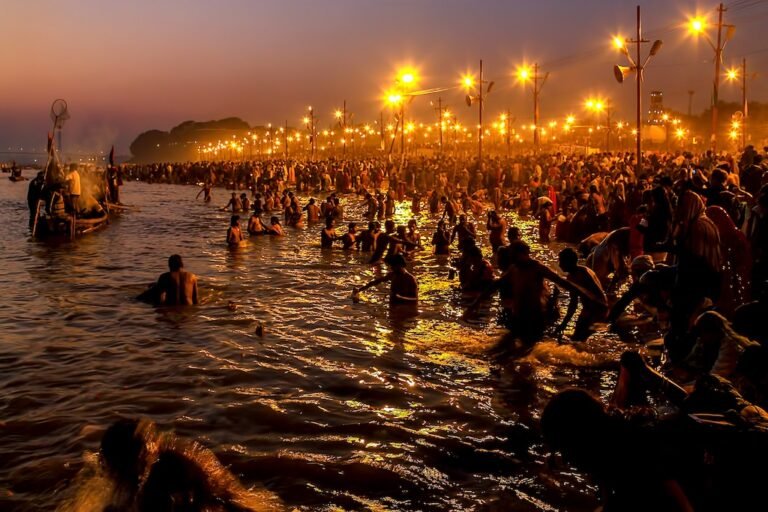
Mahakumbh is marked by a series of rituals and traditions, the most significant of which is the Shahi Snan (royal bath). During this bath, millions of devotees and ascetics take a dip in the sacred rivers, believing that it cleanses them of sins and helps attain salvation (moksha).

Other key aspects include:

  • Kalpavas: A period of strict asceticism and meditation undertaken by devotees along the riverbanks.
  • Spiritual Discourses: Saints and scholars conduct discussions on Hindu scriptures, philosophy, and dharma.
  • Akharas: Various sects of sadhus (ascetics), including Naga Sadhus (naked warriors), Udasin Akhara, and Vaishnav Akhara, participate in processions showcasing their spiritual might.

The Grand Procession of Sadhus

One of the most fascinating spectacles of Mahakumbh is the grand procession of sadhus, particularly the Naga Sadhus, who are known for their austerity and renunciation. They lead the royal bath, riding on elephants, horses, and chariots, chanting religious hymns and mantras. Their presence symbolizes the spiritual power of Hindu ascetics.

Cultural and Social Impact

Mahakumbh is not only a religious event but also a cultural and social phenomenon. It serves as a platform for:

  • Religious Harmony: Various sects and traditions within Hinduism come together, promoting unity.
  • Economic Boost: The event generates massive revenue through tourism, hospitality, and trade.
  • Global Recognition: UNESCO has recognized Kumbh Mela as an Intangible Cultural Heritage of Humanity.

Management and Logistics

Organizing Mahakumbh is a colossal task requiring meticulous planning and execution. The government collaborates with religious organizations, NGOs, and local bodies to ensure:

  • Security: Deployment of police, paramilitary forces, and disaster management teams.
  • Infrastructure: Construction of temporary shelters, sanitation facilities, roads, and hospitals.
  • Health and Hygiene: Free medical camps, vaccination drives, and water purification measures.
  • Technology: Use of AI-based crowd management, drone surveillance, and digital platforms for real-time updates.

Global Participation

Mahakumbh attracts not just Indian pilgrims but also international visitors, including scholars, spiritual seekers, photographers, and media personnel. Many foreigners participate in the rituals, immersing themselves in the spiritual and cultural vibrancy of India.

Challenges and Environmental Concerns

Despite its grandeur, Mahakumbh poses challenges:

  • Crowd Management: Ensuring safety and order in gatherings exceeding 100 million people.
  • Environmental Issues: Managing waste, preventing river pollution, and maintaining ecological balance.
  • Resource Allocation: Providing sufficient water, food, and medical aid to the masses.

To address these concerns, authorities emphasize sustainable practices such as eco-friendly waste disposal, awareness campaigns, and stricter pollution control measures.

Unfortunate Incident 2024

2025 Prayagraj Stampede: On January 29, 2025, a pre-dawn stampede occurred at the Maha Kumbh Mela in Prayagraj. At least 30 people were killed, and around 60 others were injured as pilgrims rushed towards the confluence of the Ganges, Yamuna, and Saraswati rivers for a ritual bath. Courtesy: bbc.com

Conclusion

Mahakumbh is a magnificent confluence of faith, tradition, and culture, symbolizing the essence of Hindu spirituality. It transcends religious boundaries, attracting seekers of wisdom and peace from across the globe. As the world’s largest religious gathering, Mahakumbh continues to be a testament to India’s rich spiritual heritage and its enduring belief in the power of faith and devotion.

Final Thoughts

Whether one is a devout Hindu or a curious traveller, experiencing Mahakumbh is a once-in-a-lifetime opportunity to witness the spiritual grandeur and cultural richness of India. It remains a beacon of religious harmony, self-purification, and collective devotion, reaffirming its status as the greatest festival on Earth.

Effect of quick commerce in India

In recent years, the concept of quick commerce, or q-commerce, has taken the retail world by storm. With promises of delivering groceries, meals, and other essentials within 15 minutes, platforms like Blinkit, Zepto, and Swiggy Instamart have revolutionized the way we shop. However, as with any innovation, there are both advantages and disadvantages to consider. Let’s delve into the pros and cons of this rapid delivery model.

Pros

  1. Unmatched Convenience One of the most significant benefits of 15-minute quick commerce is the unparalleled convenience it offers. Whether you’ve run out of sugar while making tea or need diapers urgently, q-commerce platforms ensure that your essentials are delivered almost instantly. This level of convenience is especially beneficial for busy urban dwellers who may not have the time to visit a store.
  2. Positive Customer Experience Speedy deliveries contribute to a positive customer experience. When customers receive their orders quickly, it enhances their satisfaction and loyalty to the service. This is particularly true for perishable items like groceries and hot meals, where freshness is crucial.
  3. Job Creation The rise of q-commerce has led to the creation of numerous jobs. Delivery drivers, warehouse staff, and customer service representatives are in high demand to keep up with the rapid delivery schedules. This job creation can be a boon for local economies, providing employment opportunities for many.
  4. Competitive Edge for Businesses For businesses, offering 15-minute delivery can be a significant competitive advantage. It allows them to stand out in a crowded market and attract customers who prioritize speed and convenience. This can lead to increased sales and customer retention.
  5. Reduced Need for Inventory Storage With quick commerce, businesses can operate with a just-in-time inventory model, reducing the need for large storage spaces. This can lower overhead costs and improve efficiency.

Cons

  1. High Operational Costs The logistics of delivering products within 15 minutes are complex and costly. Companies need to invest in a robust infrastructure, including multiple warehouses strategically located close to customers, a fleet of delivery vehicles, and advanced technology to manage orders and deliveries. These high operational costs can eat into profit margins.
  2. Environmental Impact The environmental impact of quick commerce is a growing concern. The increased number of delivery vehicles on the road contributes to traffic congestion and higher carbon emissions. Additionally, the use of single-use packaging for quick deliveries can lead to more waste.
  3. Pressure on Workers The demand for ultra-fast deliveries can put immense pressure on delivery drivers and warehouse staff. They are often required to work at a frantic pace, which can lead to stress, burnout, and even accidents1. Ensuring fair working conditions and adequate compensation is a challenge that many Q-commerce companies face.
  4. Limited Product Range To meet the 15-minute delivery promise, q-commerce platforms often have to limit the range of products they offer. This can be a drawback for customers looking for specific or niche items that may not be available for quick delivery.
  5. Market Saturation and Competition The rapid growth of q-commerce has led to intense competition among various platforms. This saturation can make it difficult for new entrants to gain a foothold in the market. Additionally, established players may engage in price wars, which can further erode profit margins.

Conclusion

Connect with me for more insights.

15-minute quick commerce is undoubtedly a game-changer in the retail industry, offering unparalleled convenience and speed. However, it also comes with its own set of challenges, including high operational costs, environmental concerns, and pressure on workers. As the industry continues to evolve, it will be crucial for companies to find a balance between meeting customer demands and addressing these challenges. By doing so, they can ensure sustainable growth and a positive impact on both the economy and society.