

Home Blog Page 2

Morning Cycling: My Secret to Energy & Clarity

There’s something magical about the early hours of the day, the quiet streets, the rising sun, and the crisp air that feels like a reset button for your body and mind. For me, morning cycling has become more than just exercise; it’s a ritual that fuels energy, sharpens clarity, and sets the tone for everything that follows. In this article, I’ll share why cycling at dawn is my secret weapon for productivity, wellness, and balance.

Morning Cycling: My Secret to Energy & Clarity

Cycling in the morning is not just about burning calories; it’s about creating momentum. The rhythmic pedalling, the steady breathing, and the meditative silence of the roads combine to form a powerful practice. Each ride clears mental fog, boosts energy, and instils discipline. Over time, this habit has become my anchor, ensuring that I start every day with focus and vitality.

Fitness, Mental Health, Productivity, Lifestyle

Cycling in the morning
DCIM\100GOPRO\GOPR0836.JPG

Cycling in the morning impacts multiple dimensions of life:

  • Fitness: Strengthens muscles, improves cardiovascular health, and enhances endurance. It improves cardiovascular health, builds lower-body strength, and accelerates fat metabolism, especially when done in a fasted state. The consistent motion boosts endurance and oxygen delivery, while being low-impact and joint-friendly. Over time, it builds lean muscle, improves stamina, and supports long-term body-composition goals. Read More
  • Mental Health: Cycling has a profound impact on mental health—it reduces stress, elevates mood, and sharpens focus by releasing endorphins and serotonin while providing a meditative rhythm that clears mental clutter. Starting the day with this routine not only combats anxiety and depression but also instils discipline and a sense of accomplishment that carries into the rest of the day. Read More
  • Productivity: Cycling directly boosts productivity by sharpening focus, improving energy levels, and reducing stress—helping you start the day with clarity and discipline that carries into work and personal tasks. Research shows that consistent morning rides enhance executive function, creativity, and task-switching ability, making you more effective throughout the day. Read More
  • Lifestyle: Cycling shapes lifestyle in ways that go far beyond fitness—it builds discipline, balance, and sustainable wellness habits that ripple into every part of your day. By committing to a consistent morning routine, you train your mind to embrace structure and accountability. The balance comes from harmonising physical activity with mental clarity, creating a healthier rhythm between work, rest, and play. Over time, this practice evolves into a sustainable wellness habit: cycling becomes less about exercise and more about a lifestyle choice that supports long-term health, resilience, and mindful living. Read More

Together, these four pillars make cycling a holistic practice that transforms both body and mind.

The Energy Boost You Need

Unlike caffeine, which offers a temporary spike, cycling provides a natural and lasting energy boost. The increased blood circulation and oxygen supply wake up your body in a way that feels organic. By the time you finish your ride, you’re not just awake, you’re energised, ready to tackle the day with vigour. When you ride at dawn, your body transitions from rest to activity, increasing blood circulation and oxygen supply to muscles and the brain. This surge wakes up your system naturally, unlike caffeine, which provides only a short-lived spike.

Clarity Through Motion

The repetitive rhythm of cycling acts like meditation in motion. As you pedal, distractions fade, and your thoughts align. Problems that seemed overwhelming often find solutions during these rides. This clarity is why many professionals and creatives swear by cycling in the morning as their secret productivity hack.

Building Discipline and Routine

Consistency is the backbone of progress. Cycling trains your mind to embrace discipline. Over time, this routine becomes second nature, reinforcing habits that spill over into other areas of life, whether it’s work, fitness, or personal growth. The discipline you build on the bike translates into resilience off it.

Social and Environmental Benefits

Cycling isn’t just personal, it’s communal and ecological. Joining local cycling groups fosters social connections, while choosing the bike over the car reduces your carbon footprint. It’s a win for your health, your community, and the planet.

Tracking Progress and Setting Goals

To maximise the benefits of cycling, track your progress. Whether it’s distance, speed, or calories burned, recording your rides helps you set achievable goals. Short-term goals like increasing your weekly mileage keep you motivated, while long-term goals, such as completing a cycling marathon, give you something bigger to strive for.

Nutrition and Recovery for Cyclists

Cycling demands fuel and recovery. A balanced breakfast rich in protein and complex carbs ensures you have the energy to ride. Hydration is equally important; water or electrolyte drinks keep your body functioning optimally. Post-ride recovery, including stretching and rest, ensures your muscles repair and grow stronger.

Mental Strength in Training

Cycling isn’t just physical, it’s mental. The determination to wake up early, push through fatigue, and stay consistent builds mental resilience. This mental strength carries into your professional and personal life, helping you face challenges with confidence and clarity.

Tips to Get Started

  • Begin with short rides (20–30 minutes).
  • Invest in a comfortable bike and gear.
  • Track progress with a fitness app or journal.
  • Pair cycling with hydration and a light breakfast.
  • Stay consistent—results compound over time.

Conclusion

My Secret to Energy & Clarity is more than a workout, it’s a mindset. It fuels fitness, strengthens mental health, boosts productivity, and shapes a balanced lifestyle. Every ride is a step toward a stronger body and a clearer mind. If you’re searching for a simple yet powerful way to transform your mornings, cycling might be the secret you’ve been looking for.

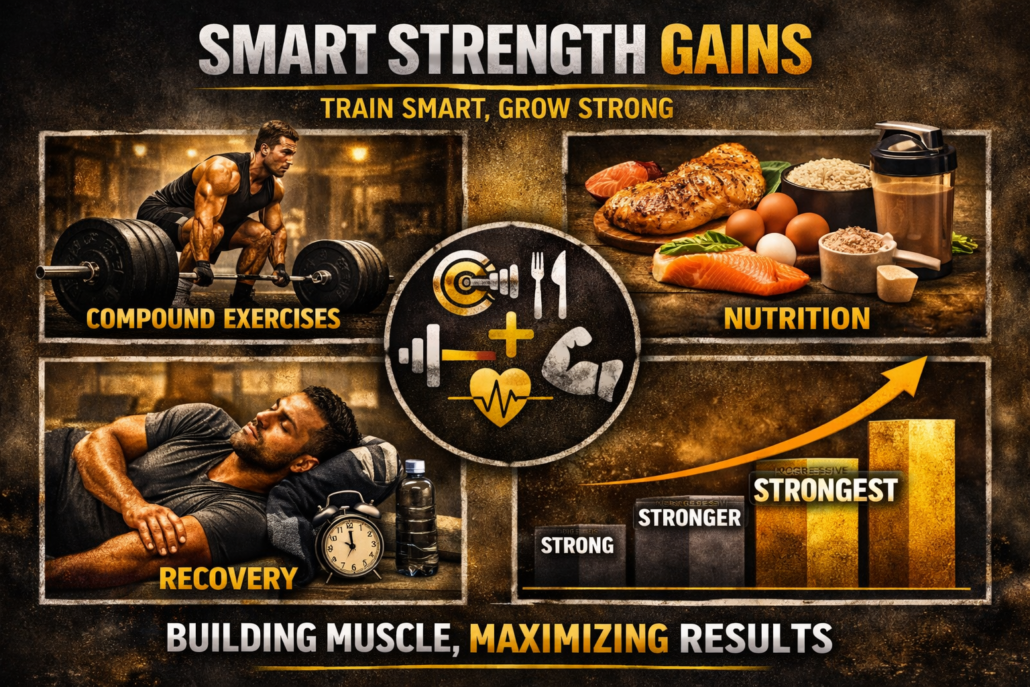
Gym Diaries: Building Strength One Rep at a Time

Gym Diaries: Every fitness journey begins with a single step, but true transformation happens one rep at a time. The gym is more than just a place filled with weights and machines; it’s a diary of discipline, resilience, and progress. In this article, we’ll explore how to build strength systematically, ensuring that every rep counts toward your long‑term goals.

Gym Diaries: Building Strength One Rep at a Time

Strength training is not about overnight results; it’s about consistency. Recording your workouts in a gym diary helps track progress, identify weaknesses, and celebrate milestones. By documenting sets, reps, and weights, you create a roadmap that keeps you accountable and motivated. Over time, these small entries become powerful evidence of growth and determination.

Progressive Overload, Compound Exercises, Recovery, Nutrition

Progressive Overload

To maximise strength gains, four pillars must guide your training:

  • Progressive Overload: Gradually increase the weight, reps, or intensity to challenge your muscles. Without progression, your body adapts and plateaus. Read More
  • Compound Exercises: Movements like squats, deadlifts, and bench presses recruit multiple muscle groups, leading to faster strength gains than isolation exercises.
  • Recovery: Muscles grow during rest, not while lifting—Prioritise sleep, active recovery, and stretching to prevent burnout.
  • Nutrition: Fuel your body with protein, complex carbs, and healthy fats. A balanced diet ensures your muscles repair and grow stronger after each workout.

Together, these elements form the foundation of sustainable strength building.

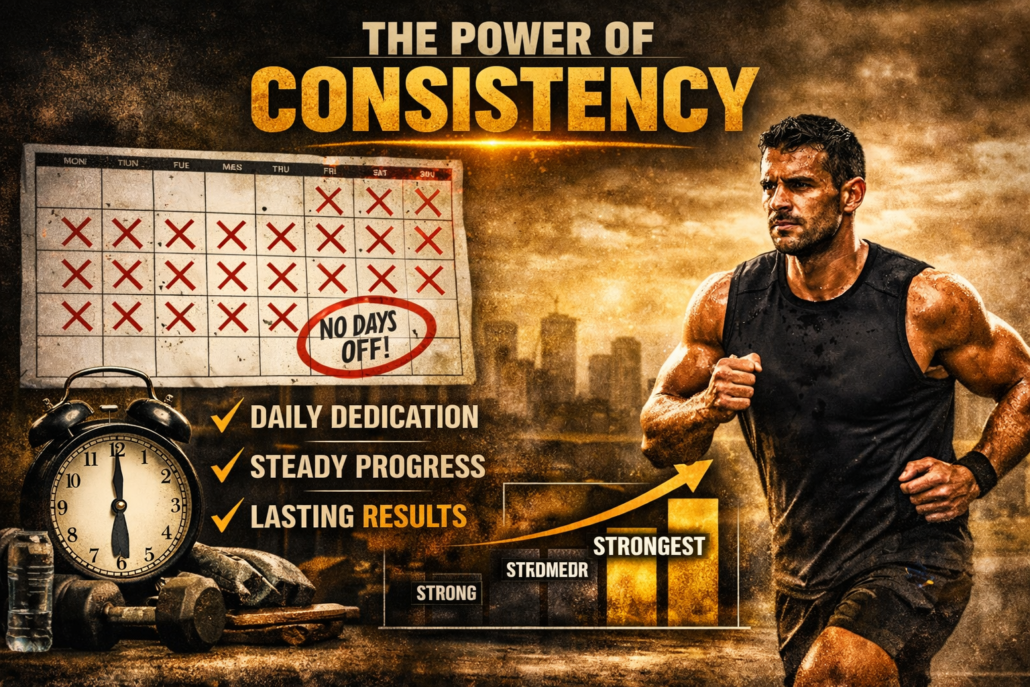
The Power of Consistency

The Power of Consistency

Consistency is the secret ingredient in every successful fitness story. Skipping workouts or training sporadically undermines progress. Instead, commit to a structured plan, whether it’s three or five sessions per week, and stick to it. Over time, consistency compounds, turning small efforts into significant results.

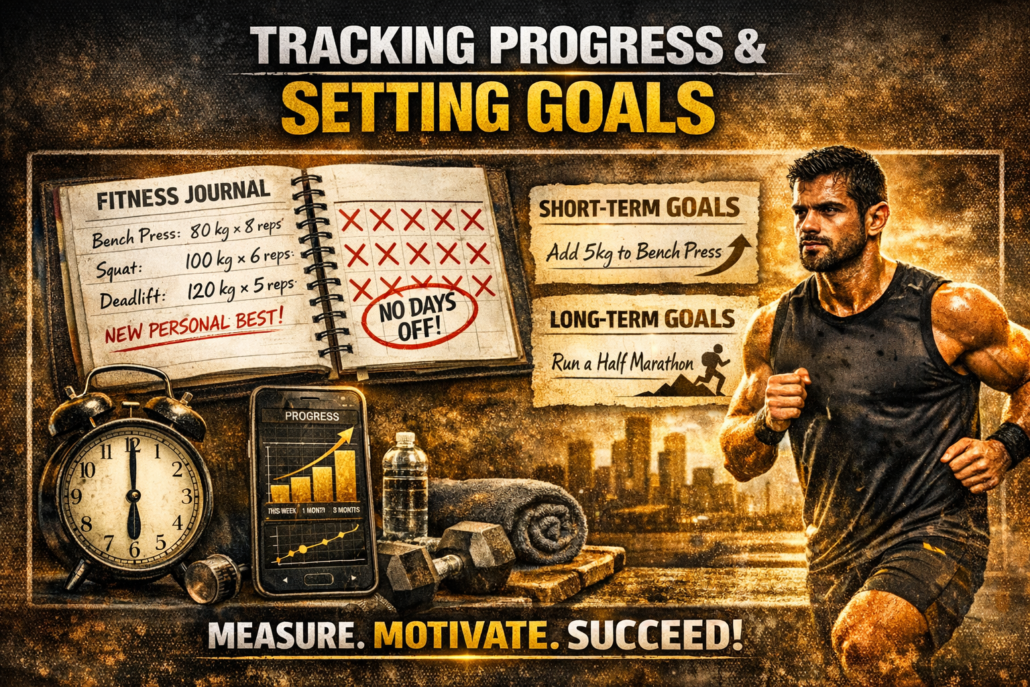
Tracking Progress and Setting Goals

Tracking Progress and Setting Goals

A gym diary is more than numbers; it’s a motivational tool. By setting short‑term goals (like adding 5 kg to your squat) and long‑term goals (such as completing a half‑marathon), you create milestones that keep you focused. Tracking progress also helps identify patterns, like when you perform best or which exercises yield the greatest improvements.

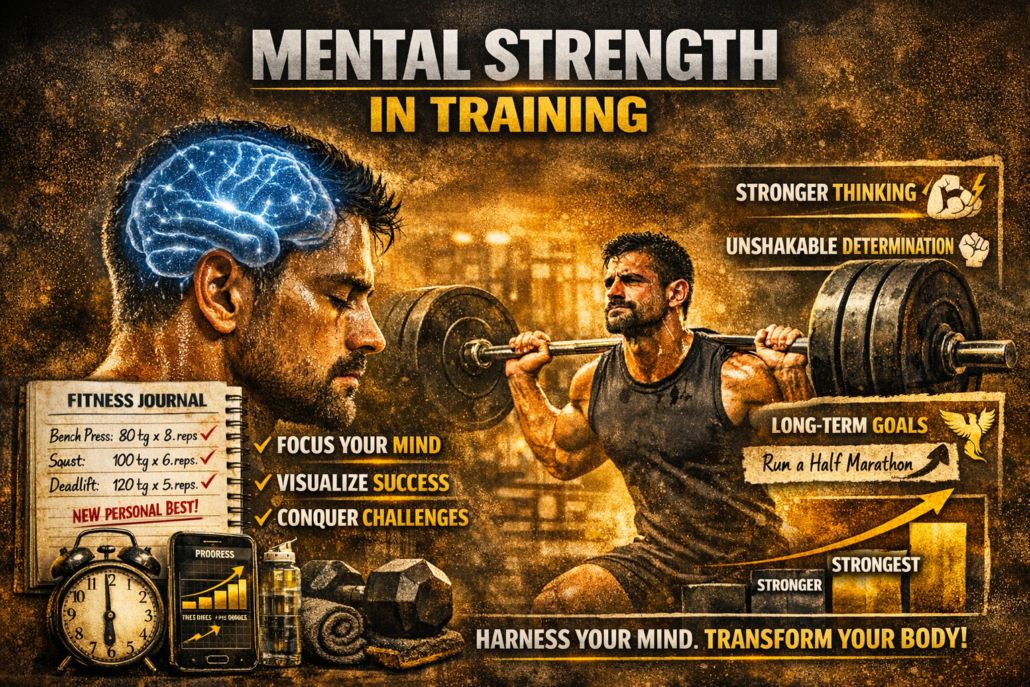
Mindset Matters

Mindset Matters

Strength is not only physical but also mental. Approaching each workout with determination and focus transforms ordinary reps into extraordinary progress. Visualisation, positive self‑talk, and celebrating small wins build resilience. Remember, the gym diary reflects not just physical growth but also mental toughness.

Avoiding Common Mistakes

Many beginners fall into traps that hinder progress:

  • Overtraining without adequate recovery.
  • Ignoring nutrition and hydration.
  • Focusing only on isolation exercises instead of compound lifts.
  • Neglecting proper form increases injury risk.

By recognising these pitfalls early, you can adjust your approach and maintain steady progress.

Building a Lifestyle, Not Just a Routine

Strength training should extend beyond the gym. Incorporate active habits like cycling, running, or yoga to complement your workouts. A holistic lifestyle ensures that fitness becomes part of your identity, not just a temporary pursuit. Your gym diary then becomes a reflection of a balanced, sustainable journey.

Conclusion

Building Strength One Rep at a Time is more than a catchy phrase—it’s a philosophy. Each rep, each entry, and each milestone builds toward a stronger, healthier version of yourself. By embracing progressive overload, compound exercises, recovery, nutrition, and consistency, you create a framework for lifelong strength. Remember, the diary doesn’t just record workouts—it tells the story of your transformation.

Meal Prep & Healthy Eating: Fueling the Grind

Balancing long workdays with fitness goals requires more than just gym discipline; it demands consistency in the kitchen. For professionals and creators alike, healthy eating is the foundation of productivity, clarity, and endurance. In India, the vegetarian diet offers a treasure trove of nutrient-rich options that can be prepped ahead of time to keep you energised throughout the grind.

This article explores how meal prep rooted in the Indian vegetarian diet can help you achieve sustainable energy, muscle recovery, and mental focus, all while saving time.

Why Meal Prep Matters: Healthy Eating

Meal prep isn’t just about convenience. It’s about:

  • Consistency: Avoiding unhealthy last-minute choices.
  • Nutrition: Ensuring balanced intake of protein, carbs, and fats.
  • Time Management: Freeing up mental bandwidth during busy workdays.
  • Work-Life Balance: Reducing stress around food decisions.

1. Protein-Packed Breakfasts

Protein-Packed Breakfasts

Start the day with meals that combine satiety and energy:

  • Moong Dal Chilla (Lentil Pancakes): High in protein, easy to batch cook.
  • Besan Cheela with Paneer Filling: Keeps you full and supports muscle recovery.
  • Oats Upma: A fibre-rich twist on a classic, great for digestion.

Prep tip: Make the batter the night before and refrigerate.

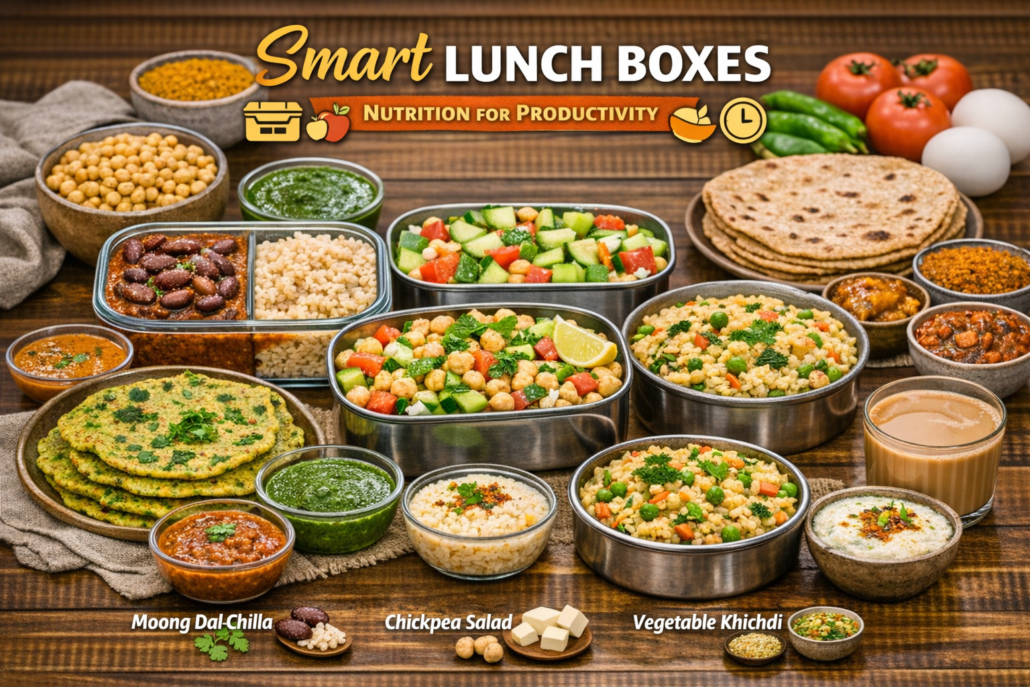
2. Smart Lunch Boxes

Smart Lunch Boxes

Lunch should balance carbs for energy and protein for focus:

  • Rajma-Chawal (Kidney Beans with Rice): Rich in iron and slow-digesting carbs.
  • Chickpea Salad with Veggies: A refreshing, protein-heavy option.
  • Vegetable Khichdi: Comfort food that’s light yet nourishing.

Prep tip: Cook beans in bulk and store; portion them for quick reheating.

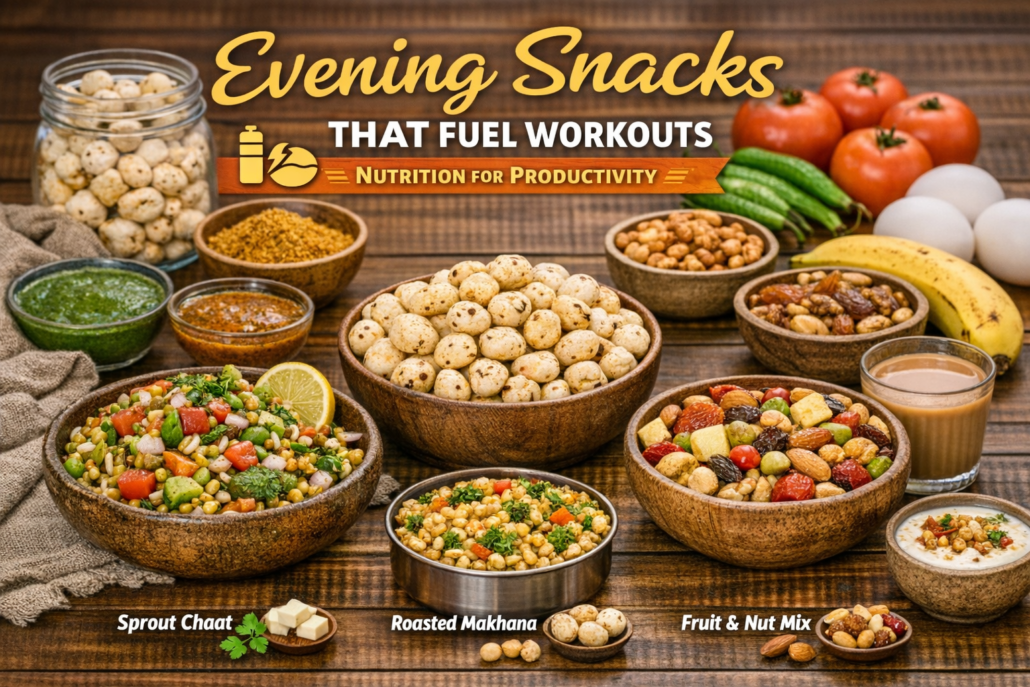
3. Evening Snacks That Fuel Workouts

Evening Snacks That Fuel Workouts

Instead of fried snacks, opt for:

  • Sprout Chaat: High in protein, customizable with spices.
  • Roasted Makhana (Fox Nuts): Crunchy, low-calorie, and easy to store.
  • Fruit + Nut Mix: Natural sugars for energy spikes.

Prep tip: Roast makhana in advance and store in airtight jars.

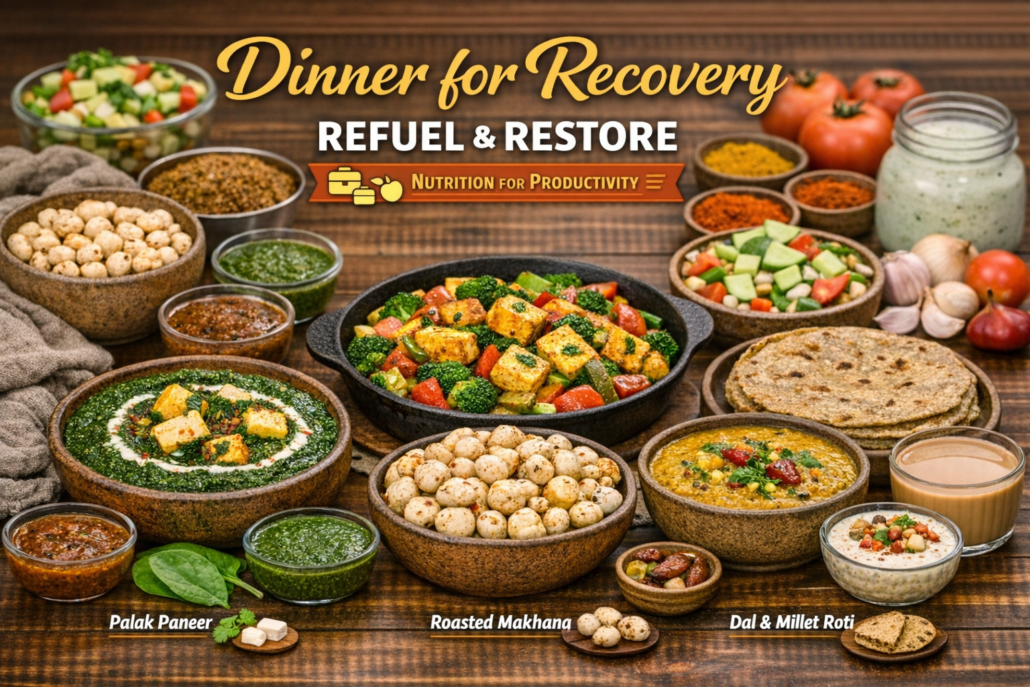
4. Dinner for Recovery

Dinner for Recovery

Dinner should be light yet protein-rich:

  • Palak Paneer (Spinach with Cottage Cheese): Iron + protein combo.
  • Tofu Stir-Fry with Vegetables: Plant-based protein powerhouse.
  • Dal with Millet Roti: Balanced carbs and protein for overnight recovery.

Prep tip: Chop veggies in advance; store in zip-lock bags for quick cooking.

5. Hydration & Add-Ons

Hydration & Add-Ons

Don’t overlook hydration and small add-ons:

  • Buttermilk with Spices: Aids digestion and cools the body.
  • Lassi (Sweet or Salted): Natural probiotic for gut health.
  • Coconut Water: Electrolyte boost post-workout.

6. Weekend Bulk Prep

Weekend Bulk Prep

Use weekends to prepare:

  • Cook lentils and beans in bulk.
  • Make spice mixes for quick cooking.
  • Chop and freeze vegetables.
  • Prepare protein-rich batters (moong dal, besan).

This reduces weekday cooking stress and ensures you stick to your plan.

7. Aligning Diet with Fitness Goals

Aligning Diet with Fitness Goals

For muscle building:

  • Increase paneer, tofu, sprouts, and dals. For endurance:
  • Focus on complex carbs like millets, brown rice, and oats. For fat loss:
  • Emphasise portion control, roasted snacks, and high-fibre vegetables.

🥗 Weekly Indian Vegetarian Meal Prep Chart

DayBreakfastLunchEvening SnackDinner
MondayMoong Dal Chilla with mint chutneyRajma-Chawal with saladRoasted MakhanaPalak Paneer with millet roti
TuesdayOats Upma with veggiesChickpea Salad + Brown RiceSprout ChaatTofu Stir-Fry with mixed vegetables
WednesdayBesan Cheela stuffed with paneerVegetable Khichdi + curdFruit & Nut MixDal + Bajra Roti
ThursdayPoha with peanutsChole with whole wheat rotiRoasted ChanaLauki Kofta + Jeera Rice
FridayIdli with sambarMasoor Dal + QuinoaRoasted MakhanaPalak Dal + Multigrain Roti
SaturdayVegetable DaliaMixed Veg Curry + Brown RiceSprout SaladPaneer Bhurji + Millet Roti
SundayParatha stuffed with spinachDal Tadka + Jeera RiceFruit BowlVegetable Pulao + Raita

🔑 Prep Tips

  • Batch cook legumes (rajma, chole, dal) on weekends and refrigerate.
  • Chop vegetables in advance and store in airtight containers.
  • Roast snacks (makhana, chana) in bulk for the week.
  • Prepare spice mixes for quick cooking.
  • Keep protein sources (paneer, tofu, sprouts) ready for daily use.

🎯 Alignment with Fitness & Productivity

  • Protein focus: Paneer, tofu, sprouts, dals for muscle recovery.
  • Complex carbs: Millets, quinoa, brown rice for sustained energy.
  • Light dinners: Easy digestion, better sleep, improved recovery.
  • Hydration add-ons: Buttermilk, lassi, and coconut water to balance electrolytes.

Conclusion

Healthy eating through Indian vegetarian meal prep is not about restriction, it’s about empowerment. By planning, you fuel your grind with meals that support both productivity and fitness. Whether it’s a protein-packed breakfast, a balanced lunch, or a recovery-focused dinner, the Indian vegetarian diet offers endless options to keep you thriving.

Meal prep is the bridge between your fitness goals and your professional demands. With discipline in the kitchen, you’ll find discipline everywhere else.

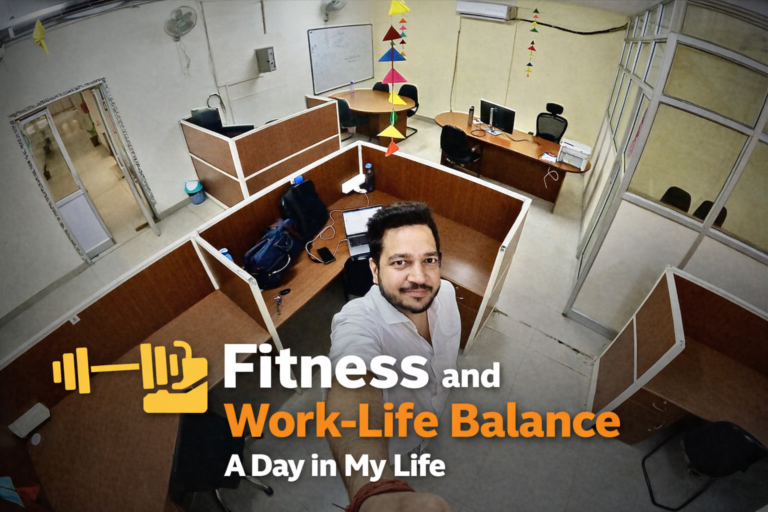
Balancing Work and Fitness: A Day in My Life

Balancing professional responsibilities with personal health is a challenge many of us face. For me, fitness isn’t just a hobby; it’s the anchor that keeps my energy, focus, and productivity aligned throughout the day. In this article, I’ll walk you through a typical day in my life, where cycling, gym routines, and mindful nutrition coexist with a demanding nine-hour work schedule.

Morning Kickstart: 30 km Cycling

The day begins early with a 30-kilometre cycling session. Cycling is more than cardio; it’s meditation on wheels. The rhythmic pedalling clears mental clutter, boosts circulation, and primes me for the day ahead. By the time I return home, I feel both physically invigorated and mentally sharp.

Cycling also plays a crucial role in my healthy lifestyle. It builds endurance, strengthens the lower body, and burns calories efficiently. More importantly, it sets a positive tone for the rest of the day.

Fueling Up: Healthy Breakfast

Post-ride, I refuel with a nutrient-rich breakfast at home. A balanced meal, often oats, fruits, and eggs, provides the protein and complex carbs needed to sustain energy. Nutrition is the unsung hero of fitness; without it, workouts lose their impact.

This breakfast isn’t just about calories; it’s about discipline. Eating clean ensures I don’t crash mid-morning and helps me maintain consistency in both fitness and work.

The Workday: 9 Hours of Focus

After breakfast, I transition into my professional role. A nine-hour workday demands focus, problem-solving, and creativity. Here’s where the morning cycling session pays dividends. The mental clarity I gain from exercise translates into sharper decision-making and sustained productivity.

Balancing work and fitness requires intentional scheduling. I treat my workouts as non-negotiable appointments, just like client meetings. This mindset ensures that fitness doesn’t get sidelined by deadlines.

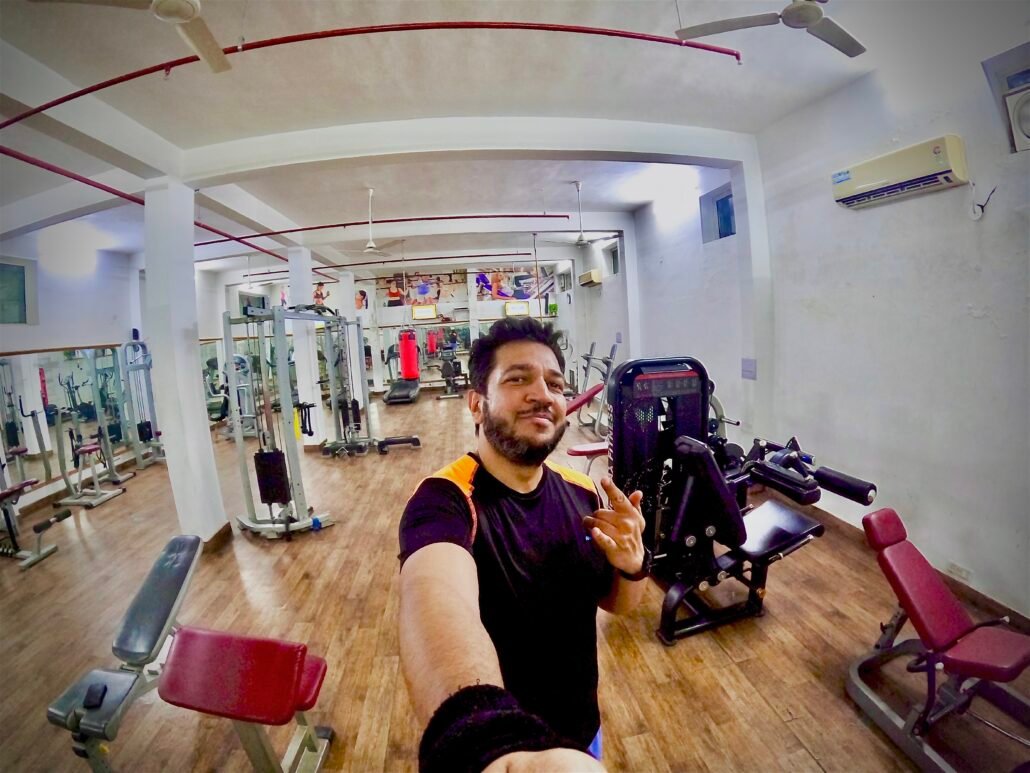
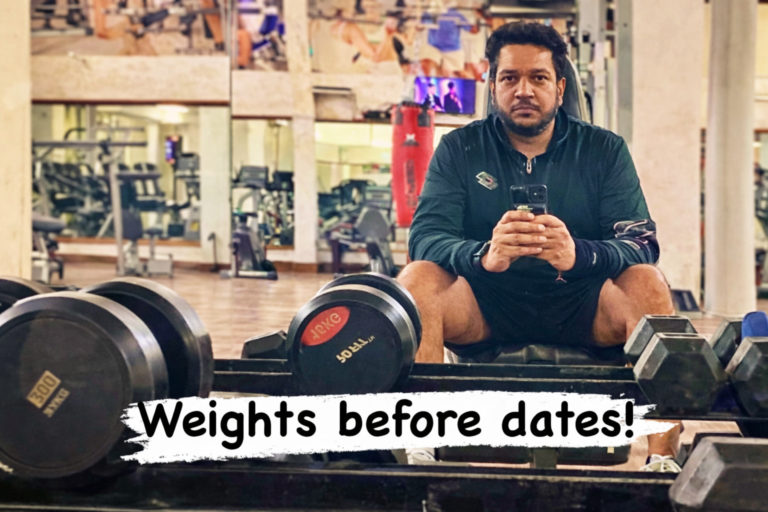
Evening Grind: Gym Routine

Gym Routine
DCIM\100GOPRO\GOPR0888.JPG

Once the workday wraps up, I head straight to the gym. Today, my evening workout focused on biceps, back, and legs, a balanced split that builds strength and symmetry.

  • Biceps: Isolation exercises like curls enhance arm definition.
  • Back: Rows and pull-ups strengthen posture and core stability.
  • Legs: Squats and lunges build power and endurance.

This gym routine complements my morning cycling by targeting strength rather than endurance. Together, they create a holistic fitness approach.

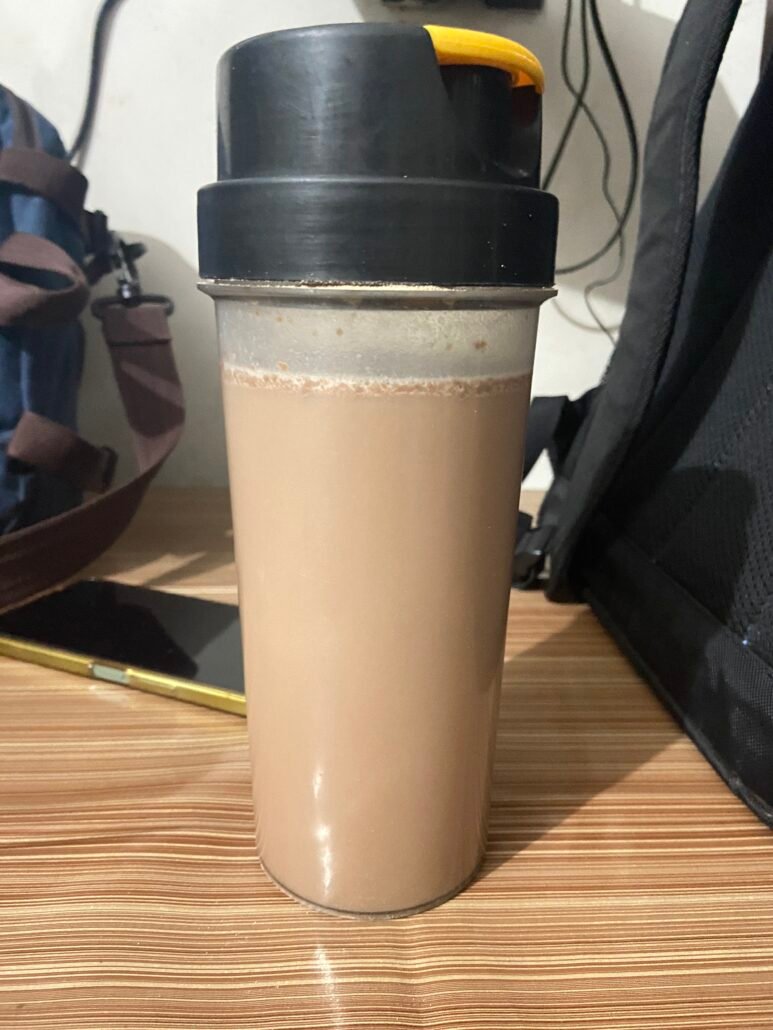
Recovery and Nutrition: Protein Shake

Protien Shake

After the gym, recovery becomes the priority. A protein shake replenishes muscles and accelerates repair. Protein intake is essential for anyone balancing intense workouts with a busy schedule. It ensures that the body adapts positively rather than breaking down.

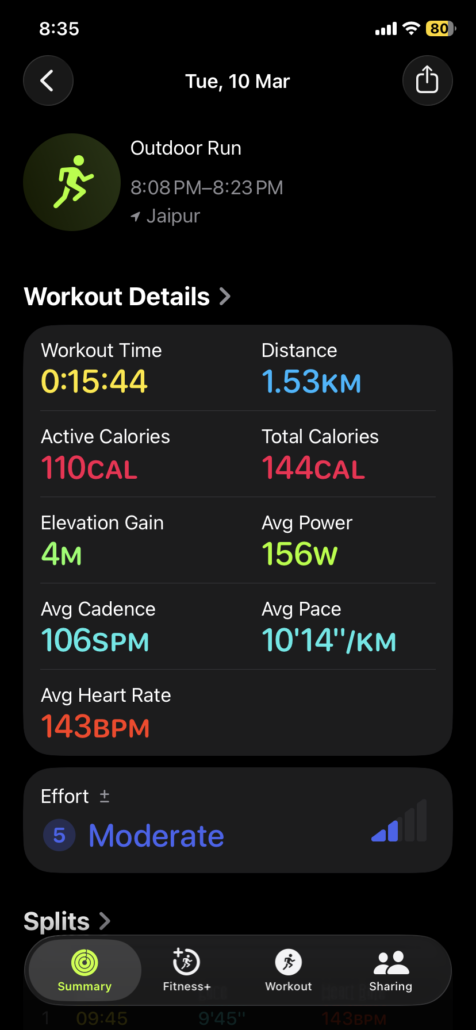
Night Run: 1.5 km Boost

Evening run on day-1

Surprisingly, the day doesn’t end at the gym. I lace up for a 1.5-kilometre run. While short, this run serves as an active cooldown, flushing lactic acid and keeping metabolism elevated. It’s also a mental reset before winding down.

Light Dinner and Reflection

Dinner is deliberately light—often grilled vegetables, lean protein, or soup. Heavy meals at night can disrupt sleep, so I keep it simple. Afterwards, I finish my vlog, documenting the day’s journey. Sharing my experiences keeps me accountable and inspires others to pursue their own work-life balance.

Sleep: The Final Recovery

The day concludes with restorative sleep. Fitness isn’t just about workouts; recovery is equally vital. Sleep ensures hormonal balance, muscle repair, and cognitive sharpness for the next day.

Lessons from My Routine

Balancing work and fitness isn’t about perfection; it’s about consistency. Here are key takeaways from my daily routine:

  • Prioritise fitness like work: Treat workouts as essential appointments.
  • Nutrition matters: Fueling properly enhances both productivity and recovery.
  • Mix endurance and strength: Cycling, gym routines, and running create balance.
  • Recovery is non-negotiable: Protein intake and sleep sustain long-term progress.
  • Document your journey: Sharing experiences builds accountability and motivation.

Conclusion

My day may sound packed, cycling, a full work schedule, gym training, running, and vlogging—but it’s a rhythm that keeps me thriving. Fitness doesn’t compete with work; it complements it. By weaving exercise and nutrition into the fabric of daily life, I achieve not just physical strength but also professional resilience.

Balancing work and fitness is possible when you view health as an investment rather than an expense. Every kilometre cycled, every rep lifted, and every healthy meal consumed is a deposit into the bank of long-term well-being.

The 360° Reset: Why I’m Starting Fresh

In my late 30s, I realised that being overweight was no longer just about appearance—it was affecting my health, confidence, and daily life. Instead of giving up, I decided to take control with what I call the 360° Reset: a complete lifestyle transformation built on cycling, gym workouts, evening runs, and healthy eating.

This journey isn’t just about me; it’s about proving that fitness transformation and healthy lifestyle tips are possible at any age.

🚨 The Problems with Obesity The 360° Reset

Health Risks

Obesity is linked to serious health conditions, including:

High Blood Pressure (Hypertension)

Excess body weight forces the heart to work harder to pump blood, which raises pressure in the arteries. Over time, this can damage blood vessels, increase the risk of heart disease, and lead to strokes. Hypertension is often called the “silent killer” because it shows no obvious symptoms until serious complications occur.

Type 2 Diabetes

Obesity reduces the body’s ability to use insulin effectively, leading to insulin resistance. This causes blood sugar levels to rise, eventually resulting in Type 2 diabetes. Left unmanaged, it can damage nerves, kidneys, eyes, and the cardiovascular system.

Heart Disease and Stroke

Excess fat, especially around the abdomen, contributes to plaque buildup in arteries (atherosclerosis). This narrows blood vessels, restricts blood flow, and increases the risk of heart attacks and strokes. Obesity also raises blood pressure and cholesterol, compounding the danger.

High Cholesterol and Triglycerides

Obesity often leads to higher levels of LDL (“bad” cholesterol) and triglycerides, while lowering HDL (“good” cholesterol). This imbalance accelerates artery damage and increases cardiovascular risk. Managing weight helps restore healthier lipid profiles.

Fatty Liver Disease

Excess fat can accumulate in the liver, leading to non‑alcoholic fatty liver disease (NAFLD). Over time, this may progress to inflammation, scarring (fibrosis), or even cirrhosis. NAFLD is strongly linked to obesity and insulin resistance.

Certain Cancers

Research shows obesity increases the risk of several cancers, including breast, colon, kidney, and pancreatic cancer. Fat tissue produces hormones and inflammatory substances that can promote abnormal cell growth.

Sleep Apnea and Breathing Issues

Extra weight, especially around the neck, can obstruct airways during sleep, causing sleep apnea. This leads to interrupted breathing, poor sleep quality, daytime fatigue, and a higher risk of heart problems. Weight loss often improves or resolves sleep apnea.

Joint Pain and Osteoarthritis

Carrying excess weight puts additional stress on joints, especially knees and hips. Over time, this accelerates cartilage breakdown, leading to osteoarthritis. Losing weight reduces pressure on joints and improves mobility.

Lifestyle Challenges

  • Clothes don’t fit well, limiting style choices.
  • Energy levels drop, making daily tasks harder.
  • Confidence takes a hit, affecting social and professional life.

Being fit isn’t just about looking good—it’s about feeling strong, confident, and capable.

🌅 Why the 360° Reset?

A Holistic Approach

I chose “360° Reset” because I’m rebuilding every part of my lifestyle:

  • Morning Cycling Routine: Boosts metabolism, clears the mind, and delivers proven cycling benefits.
  • Work Discipline: Staying productive reduces stress eating.
  • Gym Workout Routine: Strength training reshapes the body and burns fat.
  • Running for Beginners (Evening Runs): Improves endurance and mental clarity.
  • Healthy Eating & Meal Prep: Fuels the body and prevents cravings.

This isn’t a quick fix; it’s a sustainable, healthy lifestyle.

💡 Inspiring People in Their Late 30s The 360° Reset

Many believe fitness transformations are only for the young. I want to prove that the late 30s are not a dead end, they’re a turning point.

With consistency and discipline, anyone can do The 360° Reset:

  • Start a weight loss journey safely.
  • Build strength and stamina.
  • Improve mental health.
  • Regain confidence.

Age is not an excuse; it’s motivation.

✨ Why This Matters for The 360° Reset

By breaking down these risks, I want to show that my weight loss journey isn’t just about looking good—it’s about preventing serious health problems. Every cycling session, gym workout, evening run, and healthy meal is a step toward reducing these risks and building a sustainable fitness transformation.
Comment below and let me know if you tried The 360° Reset.

Army Day Parade Jaipur 2026: A Historic Celebration You Can’t Miss

Every January, India pauses to honour the valour and sacrifice of its soldiers. But the Army Day Parade Jaipur 2026 is unlike any before, for the first time, the grand spectacle is stepping out of the cantonment grounds and into the heart of the Pink City. On 15 January, Mahal Road in Jagatpura will transform into a stage of patriotism, technology, and tradition.

The Schedule You Should Know

If you’re planning to attend, here’s the timeline:

  • Date: 13, 15 January 2026
  • Venue: Mahal Road, Jagatpura
  • Parade Time: 10:00 AM – 12:30 PM
  • Stretch: Nearly 3 km of road, lined with seating and viewing zones
  • Participants: Over 15,000 soldiers, representing diverse regiments of the Indian Army

What to Expect: Parade Highlights

This year’s Indian Army celebrations promise jaw‑dropping moments:

  • Apache helicopter flypast: Cutting through Jaipur’s skies, Apaches will showcase India’s aerial might.
  • BrahMos missile display: The supersonic missile will roll down Mahal Road, a reminder of India’s defence edge.
  • 61st Cavalry: Horse‑mounted soldiers will bring heritage and tradition to the modern parade.
  • Bhairav Battalion: A newly formed unit making its debut, symbolising the Army’s evolving structure.
  • Tanks & artillery: Mechanised columns will thunder past, giving citizens a rare close‑up view.
  • Army bands: Patriotic tunes and Bollywood classics will keep the energy high.

Why Jaipur?

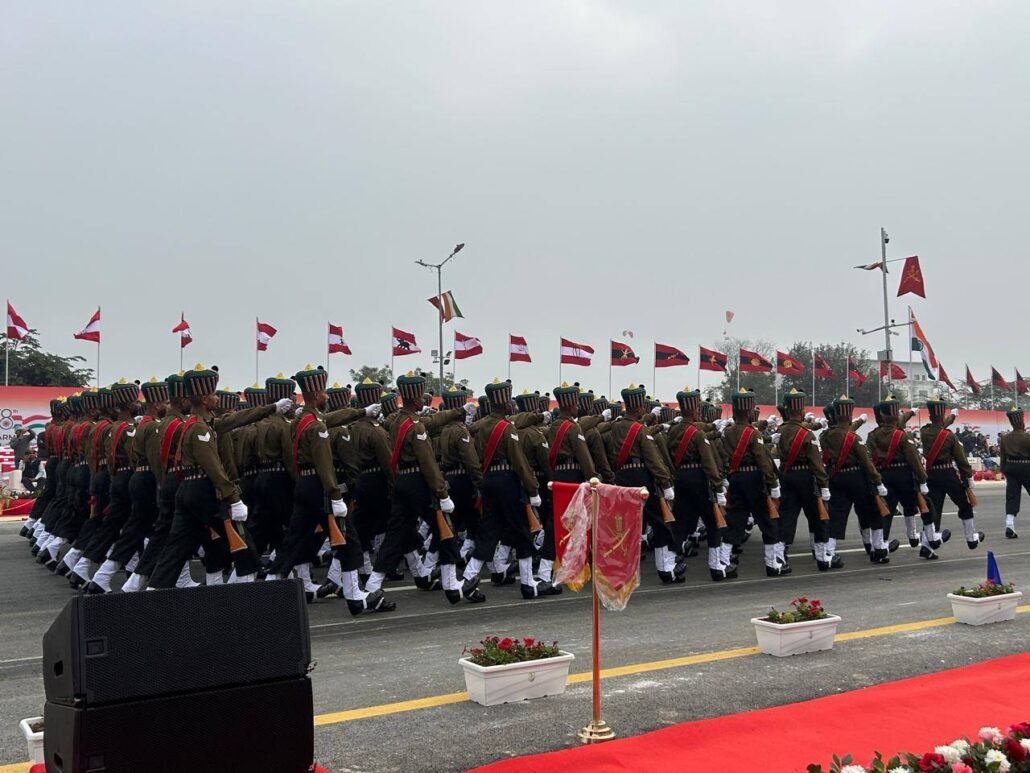
Army Day Jaipur 2026.jpg

The choice of Mahal Road, Jagatpura, is symbolic. For decades, Army Day parades were confined to cantonments. By moving it into Jaipur’s public space, the Army is inviting citizens to witness its discipline and strength firsthand. Rajasthan’s Chief Minister has emphasised that this is about bringing the Army closer to the people, a festival of patriotism in the Pink City.

Security & Arrangements

Expect tight security and smooth logistics:

  • Traffic diversions will be in place.
  • Dedicated parking zones near Jagatpura.
  • Organised seating for spectators.
  • Schools and colleges are encouraged to send student groups.

The Significance of Army Day

Army Day commemorates the historic moment in 1949 when General K.M. Cariappa took command of the Indian Army from the British. This year’s theme — “Tradition of Valour and Sacrifice” — resonates deeply as Jaipur hosts the parade for the first time.

Public Engagement

Citizens are being urged to attend in large numbers. Social media buzz is already building with hashtags like #ArmyDayJaipur and #IndianArmyCelebrations. Local businesses are decorating streets, while schools are preparing patriotic programs to align with the event.

Impact Beyond the Army Day Parade in Jaipur

  • Tourism boost: Visitors from across India will flock to Jaipur.
  • Civic pride: Hosting the parade elevates Jaipur’s national stature.
  • Youth inspiration: Students will witness discipline, technology, and tradition in action.

Conclusion of the Army Day Parade in Jaipur

The Army Day Parade Jaipur 2026 is more than a military march; it’s a historic celebration of courage, sacrifice, and national pride. With Apache helicopter flypasts, BrahMos missile displays, and the grandeur of Mahal Road Jagatpura, this year’s parade will be remembered as the moment Jaipur became the beating heart of India’s Army Day.

Venezuela Oil and U.S. Stikes Again

The unfolding crisis in Venezuela has once again placed the country at the centre of global headlines. With the United States carrying out a dramatic operation that led to the capture of President Nicolás Maduro, the world is watching closely. While Washington frames its actions in terms of democracy and human rights, many observers argue that the deeper issue is oil. Venezuela’s oil reserves are among the largest in the world, and control over them has long shaped both domestic politics and international relations. This article explores two key points: the recent developments in Venezuela and the role of oil in U.S. intervention.

Recent Developments in Venezuela

Hey America, we just successfully detabalised one more country for our oil greed.

by, World Peace Leader Donald Trump!

On January 3, 2026, the U.S. launched Operation Absolute Resolve, a nighttime raid in Caracas that resulted in the capture of President Nicolás Maduro and First Lady Cilia Flores. This marked a dramatic escalation in U.S.–Venezuela tensions. For years, Washington has accused Maduro of undermining democracy, suppressing dissent, and mismanaging the economy. The operation signals a shift from sanctions and diplomatic pressure to direct intervention.

Talking about destabilisation, check out these wars which the US fought and were unnecessary.

The international response has been swift. India expressed “deep concern,” urging dialogue and peaceful resolution. India-US$ $ War(My recent article). China criticised the U.S. move, warning of destabilisation in Latin America. Meanwhile, the Venezuelan people face uncertainty. With Maduro removed, questions arise about who will govern, how institutions will function, and whether the crisis will deepen into civil conflict.

For ordinary Venezuelans, the situation is dire. Economic collapse, hyperinflation, and shortages of food and medicine have already strained daily life. The sudden removal of leadership risks worsening humanitarian conditions. Refugee flows into neighbouring countries may increase, further destabilising the region.

Venezuela’s Oil as the Underlying Factor

While democracy and human rights are the stated reasons for U.S. intervention, Venezuela’s oil is impossible to ignore. The country possesses the largest proven reserves globally, surpassing even Saudi Arabia. Oil revenues have historically funded the government, and control over this resource has been central to political power.

The U.S. has long had an interest in Venezuelan oil. In recent years, sanctions targeted the state oil company PDVSA, cutting off revenue streams to Maduro’s government. These sanctions weakened the economy but also created opportunities for rivals like China and Russia, who invested heavily in Venezuela’s energy sector. For Washington, the capture of Maduro may be seen as a way to reassert influence over Venezuelan oil and prevent competitors from dominating the market.

Critics argue that this fits a familiar pattern: U.S. interventions in oil‑rich nations often coincide with strategic energy interests. Iraq is frequently cited as an example where oil played a hidden but significant role. Supporters of U.S. policy counter that the focus is on restoring democracy and protecting human rights. Yet in practice, global energy politics and humanitarian concerns are deeply intertwined.

Venezuela’s Oil Sanctions and Their Impact

Sanctions have been a key tool in U.S. policy toward Venezuela. By restricting access to international markets and freezing assets, Washington aimed to weaken Maduro’s grip on power. However, sanctions also hurt ordinary citizens, contributing to shortages and economic decline.

The oil sector was hit hardest. Production plummeted, and Venezuela struggled to maintain its infrastructure. With limited buyers, the country turned to allies like China and Russia. This shift highlighted how sanctions can reshape global alliances, pushing nations toward alternative partnerships.

Now, with Maduro captured, the future of sanctions is uncertain. Will the U.S. lift restrictions to stabilise the economy, or maintain pressure until a new government aligns with its interests? The answer will significantly affect both Venezuelans and global oil markets.

Nicolás Maduro Captured: The Arrest That Shook Venezuela’s Oil Power

Nicolás Maduro

In a stunning turn of events, Venezuelan President Nicolás Maduro was captured during a covert U.S. military operation dubbed Operation Absolute Resolve, executed in the early hours of January 3, 2026.

The raid, carried out in Caracas, also led to the detention of First Lady Cilia Flores. This arrest marks a seismic shift in Venezuela’s political landscape and sends ripples through global energy markets. Maduro, long accused of authoritarian rule and economic mismanagement, had clung to power largely through control of Venezuela’s vast oil reserves.

His removal not only destabilises the nation’s leadership but also raises urgent questions about who will now control the country’s oil wealth, a resource that has drawn intense international interest and rivalry. The operation has been met with mixed reactions globally, with some nations condemning the intervention and others quietly recalibrating their energy strategies.

Global Energy Politics

The crisis in Venezuela underscores how energy resources shape international relations. Control over Venezuela’s oil is not just about national wealth; it influences global supply chains, prices, and geopolitical balance.

For India, which imports Venezuelan crude, stability is essential. Supply disruptions could affect domestic energy security. For China and Russia, investments in Venezuela represent strategic footholds in Latin America. For the U.S., regaining influence over oil exports is both an economic and geopolitical priority.

This convergence of interests makes Venezuela a battleground for global energy politics, where democracy, sanctions, and oil are inseparable.

Delcy Rodríguez: Venezuela’s Interim Leader or U.S. Puppet?

Delcy Rodríguez
Delcy Rodriguez, Venezuela’s vice president, during a news conference at Miraflores Palace in Caracas, Venezuela, on Wednesday, May 3, 2023. Rodriguez said the Venezuelan government won’t recognise opposition-brokered agreements with creditors. Photographer: Carlos Becerra/Bloomberg via Getty Images

Following the dramatic arrest of Nicolás Maduro, Vice President Delcy Rodríguez was swiftly elevated to interim president. While her appointment was sanctioned by Venezuela’s Supreme Court, many observers argue that her rise reflects Washington’s influence more than domestic legitimacy.

Critics describe Rodríguez as a U.S. puppet, pointing to her willingness to cooperate with American demands and her reliance on external backing to maintain authority. With Venezuela’s vast oil reserves at stake, her leadership is seen less as a sovereign transition and more as a geopolitical manoeuvre designed to secure U.S. control over the nation’s energy wealth.

Conclusion

The capture of Nicolás Maduro marks a turning point in Venezuela’s crisis. While the U.S. frames its intervention as a fight for democracy, the shadow of oil looms large. With the world’s largest reserves, Venezuela’s oil is a prize that shapes global energy politics and international power struggles.

Sanctions, humanitarian concerns, and geopolitical rivalries all intersect in this moment. For Venezuelans, the hope is for stability and relief from years of hardship. For the international community, the challenge is balancing principles of democracy with the realities of energy dependence.

Ultimately, the story of Venezuela is not just about one leader or one nation. It is about how oil continues to drive global politics, shaping interventions, alliances, and the future of entire regions.

Cycle to Work: Transform Your Commute into Fitness, Sustainability, and Productivity

The idea of cycle to work is no longer just a fitness fad; it’s becoming a global movement. With rising fuel costs, increasing traffic congestion, and growing awareness about climate change, more professionals are turning to bicycles as their primary mode of commuting. Cycling to work is not only eco‑friendly but also a powerful way to improve physical health, mental well‑being, and productivity.

In this article, we’ll explore the benefits of cycle to work, practical tips to get started, and why this simple habit can transform your lifestyle. Click here to see the cycling routes in Jaipur.

Health Benefits of Cycle to Work

Cycling is one of the most effective forms of cardiovascular exercise. When you cycle to work daily, you integrate fitness seamlessly into your routine.

  • Improved cardiovascular health: Regular cycling strengthens your heart, lowers blood pressure, and reduces the risk of heart disease.
  • Weight management: A 30‑minute ride can burn 250–500 calories depending on intensity.
  • Muscle strength and endurance: Cycling tones your legs, core and improves overall stamina.
  • Boosted immunity: Studies show moderate exercise, like cycling, enhances immune response.

Instead of squeezing gym time into a busy schedule, cycling to work ensures you stay active without extra effort.

Interesting Case study,
👉 Finnish Institute of Occupational Health Study on Cycling to Work

Mental and Emotional Benefits of Cycle to Work

cycling for health and environment
cycling for health and the environment

Beyond physical health, cycling offers profound mental benefits.

  • Stress reduction: Riding through fresh air and open roads reduces cortisol levels.
  • Mental clarity: Cycling before work sharpens focus and creativity.
  • Mood enhancement: Endorphins released during exercise elevate mood and reduce anxiety.
  • Work‑life balance: The ride home acts as a natural decompression, separating work stress from personal life.

Cycle to work is not just a commute; it’s a daily mindfulness practice.

Environmental Impact

One of the strongest arguments for cycle to work is sustainability.

  • Zero emissions: Unlike cars, bicycles produce no greenhouse gases.
  • Reduced traffic congestion: More cyclists mean fewer cars on the road.
  • Lower noise pollution: Bicycles contribute to quieter, calmer cities.
  • Resource conservation: Less fuel consumption reduces dependency on fossil fuels.

By choosing to cycle, you actively contribute to reducing your carbon footprint and promoting eco‑friendly living.

Financial Savings

Cycle to work is also economically smart.

  • No fuel costs: Save thousands annually by cutting petrol or diesel expenses.
  • Lower maintenance: Bicycle upkeep is far cheaper than car servicing.
  • No parking fees: Avoid costly parking charges in urban areas.
  • Healthcare savings: Better fitness reduces long‑term medical expenses.

In short, cycling is a low‑investment, high‑return lifestyle choice.

Productivity and Workplace Benefits

cycling for health and environment
cycling for health and the environment

Employers increasingly recognise the value of cycling commuters.

  • Higher productivity: Employees who cycle arrive energised and focused.
  • Reduced absenteeism: Healthier staff take fewer sick days.
  • Positive workplace culture: Cycling promotes team bonding when colleagues ride together.
  • Corporate sustainability goals: Companies encourage cycling to align with ESG initiatives.

Cycling to work is not just personal — it’s professional.

Practical Tips to Start Cycling to Work

Transitioning to a cycling commute requires planning.

  • Choose the right bicycle: Hybrid or commuter bikes are ideal for city rides.
  • Safety gear: Always wear a helmet, reflective clothing, and carry lights.
  • Plan your route: Use cycling apps to find safe, traffic‑free paths.
  • Start small: Begin with 2–3 days a week before making it daily.
  • Prepare for weather: Keep rain gear and extra clothes at work.
  • Secure parking: Ensure your workplace has bicycle racks or storage.

Consistency is key. Once cycling becomes routine, it feels effortless.

Overcoming Common Challenges

Many hesitate to cycle due to perceived obstacles.

  • Distance: If your office is far, try partial cycling (ride to a metro station, then continue).
  • Time: Cycling often takes the same time as driving in congested cities.
  • Sweating: Carry a change of clothes or use workplace showers if available.
  • Safety concerns: Stick to designated cycling lanes and follow traffic rules.

Every challenge has a solution — the benefits far outweigh the hurdles.

Inspiring Global Trends

Cities worldwide are embracing cycling culture.

  • Amsterdam & Copenhagen: Over 40% of commutes are by bicycle.
  • London: Expanding “Cycle Superhighways” for safer commuting.
  • Delhi & Bangalore: Pilot projects for cycling lanes to encourage eco‑commutes.

India is catching up, and professionals like you can lead the change.

Conclusion

Cycling to work is more than a commute — it’s a lifestyle revolution. It combines fitness, sustainability, financial savings, and productivity into one powerful habit. By choosing to cycle, you invest in your health, contribute to the environment, and inspire others to rethink their daily choices.

So, the next time you wonder how to make your mornings more meaningful, remember: the road to a better life might just be a cycle ride away. 🚴‍♂️🌍