
Home Blog Page 24

Is Meta Keyword Tag Important For SEO?

In this article, I would explain to you about the meta keyword tag. I had to study the history of Google SEO in order to create this article. Meta keyword tag (s) are connected to Google SEO history. Let me explain why? Also, I would explain if these keywords are important or not? Google over the years has become more cautious of webmasters taking advantage of their systems. Let us break it down and study this meta keyword tag in detail. Most important is Meta Robots Attribute.

What is a Meta Keyword Tag?

The meta keyword tag in Google SEO is the snippet that describes your page in Google search results. It is not necessary for this tag to appear on the page. It can appear in the code of the page as well. However, the purpose of this code is to tell Google about the content which is there on the webpage. To simplify and to make you understand please look at the image below. This tag is from one of my webpage related to cycling hashtags for Instagram. This page is ranking at number 7th on the Google search results. (Phew took a while)

meta keyword tag in Google SEO 2019
The highlighted block is the snippet which is referred to as keyword tag in Google search.

Does Google really look at these tags?

Yes, they do, but not all of them and not all of the time. The simple answer is that they used to. However, now they don’t pay attention to these tags too much. A part of their system still looks at them, however, the importance is not given to these tags much. If you want to find out whether a given page is using meta tags, just right-click anywhere on the page and select “View Page Source.” The meta tag will show like the highlighted code in the below image.
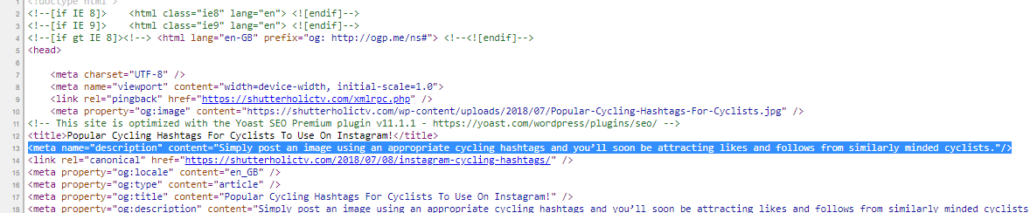
Location of meta tag in page source code

I took the source code of the same page which is ranking at number 7th in Google search.

Knowing Your Meta Tags

Let us talk more in detail and let’s get to know about the types of meta tags. There are four types of Meta Tags. All these four different tags have a different purpose and they pass a great deal of information to Google about your page. Let’s list them before getting into more details about them.

  • Meta Keywords Attribute – A series of keywords you deem relevant to the page in question.
  • Title Tag – This is the heading you will see at the top of your browser. Search engines view this text as the “title” of your page.
  • Meta Description Attribute – A brief description of your web page.
  • Meta Robots Attribute – An indication to search engine crawlers (robots or “bots”) as to what they should do with the page.

Now let’s talk in details about each one of them.

Meta Keywords Attribute

Google has stopped taking this into considerations as it’s too easy to abuse. Webmasters have been stuffing keywords and getting traffic from popular websites. Even though the web page is not relevant, however, just to get the traffic people were abusing it stuffed with keywords. Google eventually got wise to this and decided in the end to devalue the tool. These days Google doesn’t use meta keywords in its ranking algorithm at all, because they’re too easy to abuse. 

Title Tag

This is the most important of all four meta keywords. These tags have a real impact on search rankings and, perhaps just as importantly, are the only one of the tags we’ll discuss here that are visible to the average user. You’ll find them at the top of your browser

Title tag in meta keyword for Google SEO

This is particularly useful if you want to give the page one primary title for the user but want to clarify or simplify that information for SEO purposes and for the user who’s shuffling multiple tabs on their desktop.

Meta Description Attribute

Another important page component that appears in the search results. It explains to search engines and (sometimes) searchers themselves what your page is about. Furthermore, Google may decide to show your meta description in the search or it might pick up the text from the web page itself. However, this does not mean that this is not important. This means that meta description could entice searchers to click through from the SERP to your site, especially if the description includes the keywords they were searching for. Google’s reasons are somewhat mysterious, but their actions speak loudly: meta keywords don’t much matter anymore, but meta descriptions most certainly do.

Meta Robots Attribute

This attribute helps you to tell search engine like Google as to do what with your page.

  • Index/No-Index: This will tell the search engine to show your page in Google SERP’s or not.
  • Follow/no-Follow: This tells the engines what to do with links on your pages: whether they should trust and “follow” your links to the next page or not.

Meta Robots Attribute communicates with the search engine and tells them the relevancy of content. If the content should be shown in the search results or not.

Summing Up

Meta tags can be very helpful in SEO and online marketing. Let me sum up the points again for your reference.

  • The Title Tag alone can impact your search engine rankings.
  • Descriptive tags may encourage users to visit your site.
  • The meta description may serve as “organic ad text.”
  • Meta keywords are deprecated by most search engines.

If you have any question related to meta tags, please leave them in the comments below.
Search Ranking Factors-Off page SEO

In my last post, we discussed the on-page ranking factors. In this article let me shed some light on the off page SEO ranking factors. Let us discuss in detail about Google Off-page algorithm. In this article, we would discuss briefly the SEO off-page activities, off-page SEO techniques, and it’s implications in search engines.

Click-through rate (CTR) and its effect on Off-page SEO

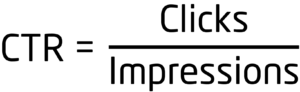
off-page SEO techniques and CTR calculation in seach engines
CTR Calculation

Good effect of off-page SEO techniques

CTR the full form being click-through rate is often used by the webmaster to pump up the SEO ranking. To understand this let me quote an example. Suppose a webpage is on rank #5 in the Google SERP. If this page is getting more hits than usual, Google will try to rank this page higher and its SEO ranking will increase.

A page ranked at #5 will get 5% of the hits, furthermore, if the hits are more let’s say 15%, Google will pump up the rating for this page. After all, Google will know that this link is getting more attention than usual. This is because Google realizes that the page is getting more attention because users like the page content/headings. 

Bad effect of off-page SEO techniques

If a spammer somehow beats the Google algorithm and gets the page to rank first, that page will get around 31% of the hits as per the stats studies over the years. However, if the page content, structure, headings are not what a user is looking for Google will automatically get the ranking down.

How does this happen? Well, it’s easy, even though a spammer got his page on #1, due to poor quality of content, users will bounce back from it and Google pays attention to bounce rates of a page as well. An unhappy user is practically an unhappy Google. The bottom line, bad content cannot be on the top of the page, if it gets on #1 somehow, it won’t be there for long. 

Social Sharing & its effect on off-page SEO

Off page SEO

Good effect

When you or your audience share your content on social sharing sites you get a boost in your SEO ranking. This is the reason why bloggers want their fan base to share more of their content on social media sites. The more share you get on your page the more improved ranking you get in search results.

Bad effect

We all know that sharing on social sites for viral content does not stay forever. So does the ranking in Google. Your viral content might hit a peak of a shared limit and then it might dry down. So till the time you get more shares, more is the ranking boost that you get. Once it’s over the ranking as well decreases in the SERP. People who think that you will get a rank boost due to backlinks from your content shared on social websites, you will not. These backlinks on the social media site will not create a significant amount of SEO boost. Once you have hit your peak sharing limit, on the contrary, the SEO ranking deteriorates.

Good effect

A lot of webmasters have been using this feature in order to get top rankings in Google SERPs. I would explain this simply as building more backlinks does help in boosting the search ranking. However, those should be quality backlinks. If you have backlinks from trusted and good quality content websites like CNN, CNBC, and other trusted websites. If you are a blogger there are many trusted blogger websites where you can place your link. The link juice as described in my previous article gets divided and hence the SEO ranking is improved considerably. Furthermore, stressing the point that these backlinks must be from trusted sites only.

Bad effect

There is an adverse effect of backlinks if they are not created within Google rules. Some of the webmasters in the race of creating backlinks forget that these links need to from trusted websites only. Some people end up creating backlinks on spammy and untrusted websites. These websites which are considered spam by Google does the opposite. Since Google realizes that these backlinks are not from a trusted site they drop the ranking of the page in SERP. This creates an opposite effect and instead of getting a higher ranking on Google. Your page rank takes a hit and does not come in top searches.

Check out SEO 2019 videos on my YouTube Channel. Do not forget to follow me.

So these were the off-page SEO factors that affect the ranking of your content on Google. I hope this article would help you in understanding the relevance of off-page SEO factors. In case I have missed something please let me know in the comments section below. I would love to interact with you and answer your questions.

Get back to the SEO guide.

Summing up the SEO off-page activities

This was all about the off-page SEO techniques and how they affect the searches in the search engines. You can tweak your ranking by working on SEO off-page activities. So good luck with the optimization and let me know in case you have any doubts related to the content of this article. If you want a free consultation of your website please let me know on the contact me page.

GoPro 7 Black Hyper Smooth Feature

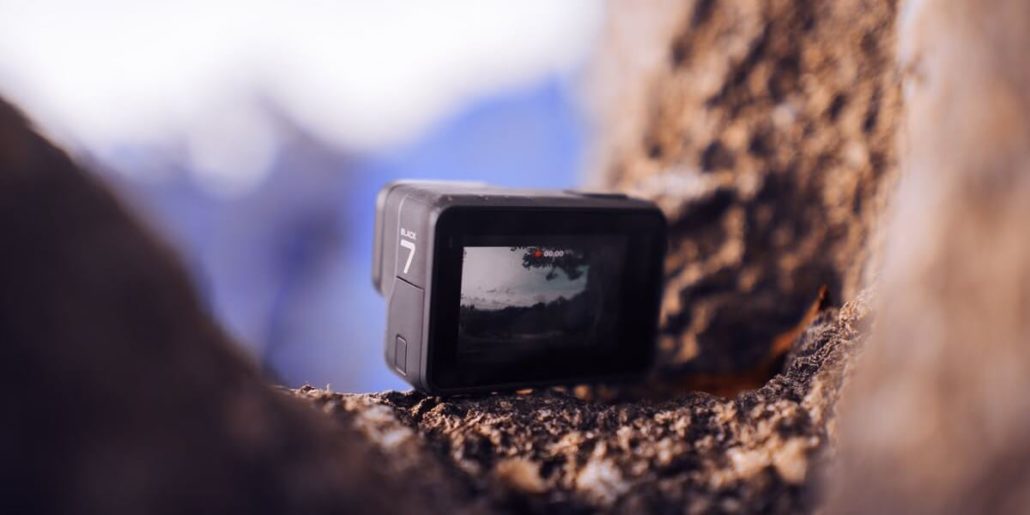
I recently got a GoPro 7 Black edition for my cycling videos. (Check out my YouTube Channel) Check out the last article that I wrote when this amazing device was launched. GoPro launched its masterpiece product this year and stunned the action camera manufacturers. Equipped with new features such as hyper smooth and live streaming. In this article, I will shed light on the hyper smooth features along with modes, resolution, and the frame rate with which it works. This is going to be a comprehensive GoPro 7 review.

Take a look at the best deals on Amazon.com for GoPro’s.

What is hyper smooth in GoPro 7 Black?

This feature was first introduced in Sony Action Cameras. The feature was known as EIS or better known as electronic image stabilization. Smooth videos are what everyone wants and this feature gave them exactly what people wanted. Furthermore, if I were to speak in simple language hyper smooth features in GoPro are nothing but EIS on steroids.

Electronic Image Stabilization On Steroids

EIS was launched in Hero GoPro 5. This GoPro model, when used with Karma grip (Gimbal), had an immense effect on the stabilization. The era of shaky videos was coming to an end. However, now Hyper Smooth changes everything. It boosts the EIS stabilization of the GoPro Hero7 Black beyond that of any motorized gimbal. It works under normal handheld conditions. Furthermore, it is equally as impressive when used by extreme sports enthusiasts while attempting to make videos where it is tough to keep your action camera stable. Now no mechanical gimbal is needed for your ultra-smooth videos.

What Besides the Hyper Smooth Videos?

GoPro 7 not only gives you exceptional results when it comes to stability but also enhance the video output and clarity. Showing that the enhanced stabilization offered by the Hero7 not only smooths out the motion but hugely increases the overall quality and detail of the footage captured.

Previous models with Karma grip & the new GoPro 7 Black

GoPro 7 Black is the best action camera available by GoPro

GoPro 5,6 with Gimbal against GoPro 7 Black: 

I used the combination of GoPro 5,6 (Owned by my friend) with Karma grip. The results are good, however, you can not;

  • Go out cycling riding and then taking care of Gimbal and GoPro
  • You can not take the Gimbal (Karma Grip) underwater
  • You can not mount the karma grip on your bike, cycle, or car for that matter like GoPro7
  • Can’t attach the grip to your pets and take videos
  • Gimbal also has the additional weight which you would need to carry if going on a trek in your backpack

Hero GoPro 7 Black

There are tons of things that you can do with your GoPro7. Let’s take a look.

  • Attach it to car, bike, cycle and get ultra-smooth videos
  • Go swimming with it and still get smooth stable videos
  • Use it with any kind of sport where it is tough to keep the camera angle steady

I literally can’t think of anything that you can not do with GoPro 7. Let me know in the comments if you think of something that this bad boy can’t do.

How does Hyper Smooth work in GoPro 7 Black?

Let us understand the concept so that we know how EIS (Electronic Image Stabilization) works. EIS aligns frames to take out the bumps and wobble that come from handholding any action cameras. HyperSmooth feature analyses the content of the footage and then processes the frames matching the content. That’s how you get a super-stable video.

Frame rates and aspect ratios for EIS

I frequently use my GoPro and found that there is always 10% (Approx) cropping when using stabilization. Although I do not find this fact bothering as the results are pretty good. Hyper smooth features also do the same thing. I noticed that when it comes to HyperSmooth, I can only select it when using a 16:9 aspect ratio. This has all been made possible by the updated GP1 processor and the additional GB of RAM which takes the GoPro Hero7 Black to 2GB of internal RAM. If you think normally EIS will steal 10% of the frame, HyperSmooth takes 25% headroom that’s a big leap.

What GoPro 7 Black resolutions and framerates does Hyper Smooth work?

Hyper Smooth works for 16:9 resolutions with the exception of 4K at 60fps. It doesn’t work for any 4:3 aspect ratio footage as obviously this gets rid of the headroom (The crop) required by HyperSmooth. That doesn’t mean that you’re without EIS at 4:3, if you dip into the settings then you’ll find the option to switch on Image Stabilisation.

What if I need to turn off the hyper smooth feature in my GoPro 7 Black?

I will not recommend this. However, in case you decide to turn off this feature for anything specific, there is no on/off switch. When you see the footage you’ll see on or off there’s probably very little difference so why bother. If you are adamant that you need to kill off HyperSmooth then the other option is to switch to 4:3 ratio and you can do that by tapping the icon in the top right of the screen. As there is no headroom, HyperSmooth can’t work so it will in effect be switched off. You’ll also have a little more headroom for composing when it comes to editing.

Summing Up about GoPro 7 Black

No doubt GoPro 7 Black is the best action camera available in the market. I use it for making videos for my YouTube channel. Check out the comparison video of GoPro session 5 and GoPro Hero 7 Black.

Let me know in the comments below if you have any questions related to the hyper smooth feature of GoPro in this GoPro 7 review. I will try to answer them as soon as possible. Check out the next best thing Hero GoPro 8. I hope that you liked this GoPro 7 review, drop comments in case of a query.

Read more photography articles by clicking this link. For more GoPro tips and tricks click here.

Beautiful Indian Rivers

5 Beautiful Indian Rivers For Travelers

India is a naturally beautiful country. Some of them are important as many people’s lives depend on these resources. One of such resources is rivers. A large population of India belongs to the farming community who depend on the water received from these Indian rivers for their crops. Rivers sustain many other communities in different ways. There are many rivers and waterfalls in India.

Read about my road trip to Ladakh. Get all the information related to Ladakh travel.

  1. Godavari
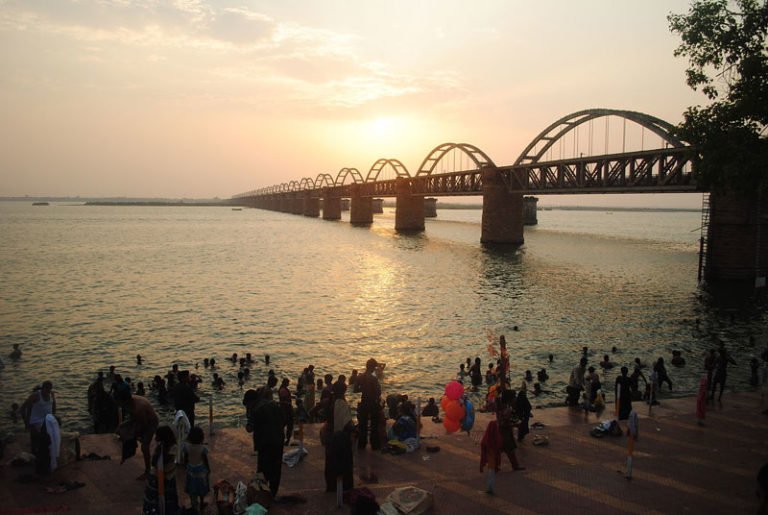
Godavri River
Photo by Hariya1234,CC0 1.0

Originating in the state of Maharashtra, the Godavari River is just next to the Ganges in the term of length. Spanning through many states on its way, the river empties out in the Bay of Bengal. From its extensive river network, Godavari is the source of many tributaries. Furtheremore, places of natural beauty such as valleys, waterfalls and many more. Interesting fact about the Godavari is that the river originates not so far from the Arabian Sea. Yet it travels miles in the opposite direction and pours into the Bay of Bengal. The river is of religious importance to Hinduism and there are many religious cities in India based on the banks of the river.

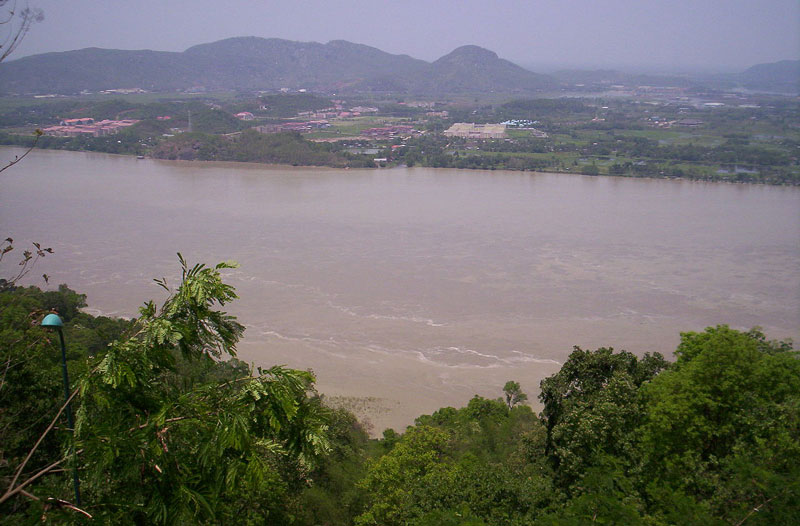
  1. Brahmaputra
Brahmputra river
Photo by Sagnik bhansho,CC0 1.0

The name of the river literally translates to ‘son of Brahma’. The mighty river of Brahmaputra transcends international boundaries while on its path as it flows through China, India and Bangladesh. Along the river are some of the most scenic places of interest in the country. It originates in the Angsi valley in the Himalayas in the beautiful regions of Tibet and the basins covered by the river are consecrated by plenty of precipitation. There are cruises operated on the river through which you can see the places that are dependent on the river such as the farming community, the wildlife conservation and the fishing community. Its sheer opulence impresses everyone that experiences it.

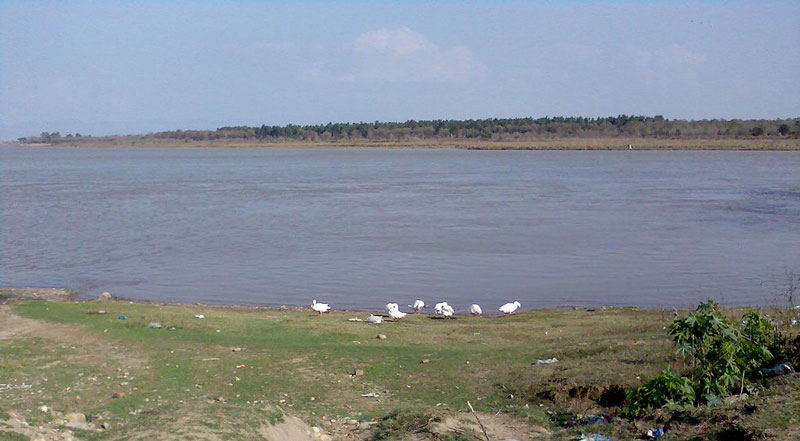
  1. Jhelum
Jhelum River
Photo by Talha,CC BY-SA 3.0

It spans to over seven hundred kilometres in length and is an important tributary to the river Chenab. If we assume that Jhelum is probably the most picturesque river that flows through the country, we would not be much wrong in our assumption. This river flows through Kashmir Valley which is considered as the country’s Elysium, Jhelum subsequently enters the neighbouring country of Pakistan. The river originates from the foundation of the Pir Panjal range and along the way are some of the most scenic gorges and plains you will ever see.

  1. Sharavathi
Sharavathi River
Photo by Ashwin Kumar,CC BY-SA 2.0

Indigenous to the state of Karnataka, the river Sharavathi is rather shorter in length but is blessed in other things. The places around the river are endowed with a wide array of vegetation cover and animal species. Nature’s beauty is present in abundance and is evident to anyone who visits. There are mentions of the river in the epic, Ramayana. A part of the river basin’s area is known as Sharavathi wildlife sanctuary. Which is home to many rare and endangered species. The might of the river also contributes to the famous Jog falls, which is evident as the waterfall reaches its full glory when water is released from the nearby embankment.

  1. Indus

Indian Rivers
Photo by Joonasl,CC BY-SA 3.0

The name of the river speaks volumes as it has a major historical significance. The river emerges from the snowcapped hilly plateaus of the Tibetan region. Furthermore, the majority of the river flows through the adjacent country, Pakistan. A small but spectacularly alluring part of Indus river flows through India. It has other names in many languages and has mentioned in the religious scriptures of the Vedas. Traversing a length of more than 2800 kilometres, the river is one of the largest in the subcontinent.

If you go through the history of Indian rivers, there is a common, underlying theme. They sustain life around them and contribute the development as well as the prosperity of our nation.

READ MORE TRAVEL ARTICLES & Check out my article on Major vietnam ariports.

Major Vietnam International Airports

Top 8 Vietnam international Airports

Vietnam is known as the tourism country with a lot of wonderful and imposing landscapes for travelling. Furthermore, there are many tourists wanting to visit Vietnam. As a result, besides learning more about the best place for visiting in a peaceful country. Hence tourists should know more about Vietnam international airports to help you easy to transfer.

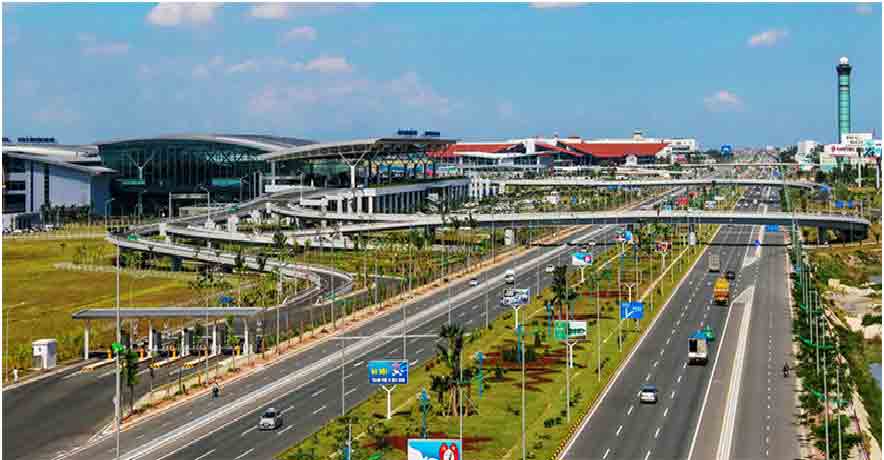
  1. Noi Bai International Airport

Vietnam International Airports

Noi Bai international airport is the largest airport in the country. This airport was built to serve Hanoi capital and most the northern provinces as well as international guests. Furthermore, the airport also replaced the old Gia Lam airport. The Noi Bai international airport located in Soc Son district about 15km from the centre of Hanoi. the airport is managed by Vietnam Airport Corporation (ACV). This is an agency of the Ministry of Transport. Furthermore, Noi Bai Airport is the main operation centre for Vietnam Airlines, Vietjet Air, Pacific Airlines, and Air Mekong. In order to get the airport from the centre of Hanoi, tourists can follow the direction of Nhat Tan bridge by car.

2. Tan Son Nhat international airport

Vietnam International Airports

Tan Son Nhat international airport is the famous international airport in southern Vietnam. This airport has the largest annual traffic volume for the whole country. The airport was built in 1930 in Tan Son Nhat village, Go Vap district, Gia Dinh province, and for 8 km north of Ho Chi Minh City centre in Tan Binh district. Therefore, Tan Son Nhat international airport is the focal important traffic point of the entire South. It is also similar to Noi Bai international airport, the airport is also under the management and operation of Vietnam Airport Corporation (ACV), as well as under the Ministry of Transport.

3. Cam Ranh international airport

Vietnam International Airports

If other Vietnam airports were built by the Vietnam government. Cam Ranh Airport was built by the US military and used for military purposes during the Vietnam War. The latter was under Vietnamese management and continued to serve the military. In 2004, it was transformed into a major civilian airport. This airport serves Khanh Hoa province and the southern and central provinces to replace the airport Nha Trang. Nha Trang is located in the inner city and is limited in area and for safety reasons. Cam Ranh international airport is located in the centre of Cam Ranh peninsula in Cam Ranh city, Khanh Hoa province. Furthermore, Cam Ranh International Airport is away from Nha Trang city 35km to the north and far 10km from the southern Cam Ranh city.

4. Danang International Airport

Vietnam International Airports

Danang International Airport is the third largest international airport in Vietnam after Noi Bai and Tan Son Nhat international airports. It was built in 1940 and located in Hai Chau district far 3 km from the centre of Da Nang city. The airport was formerly owned by the Central Airport Corporation. Furthermore, now it is owned by Vietnam Airport Corporation which is an enterprise of the Ministry of Transport. There are currently 4 domestic airlines and 12 international airlines having flights to Danang International Airport. These include Asia Airlines, Korean Airlines, Shanghai Airlines, Dragon Air, China Eastern Airlines, China Southern Airlines, SilkAir, Lao Airlines, Air Macau and Vietnam Airlines.

5. Phu Bai international airport, Hue

Vietnam International Airports

Phu Bai International Airport was built during the French colonial period. The French built this airport to serve Hue Citadel. Located in the south of Hue city, it is 15 km from the city centre. According to the decision of the Prime Minister on August 16, 2007, Phu Bai Airport became the 4th international airport in Vietnam to serve Hue City, Thua Thien Hue Province, Vietnam.

6. Phu Quoc international airport

Phu Quoc is an amazing and wonderful destination in Vietnam. While your visit you should enjoy private Phu Quoc tour. This airport was built in Duong To commune and located far about 5 km south of the centre of Duong Dong town to the south. Phu Quoc island, Kien Giang province, Vietnam. Furthermore, Phu Quoc International Airport is the international gateway of Phu Quoc Island and the South Island and Mekong River Delta regions. Currently, the airport has flights to and from airlines including Vietnam Airlines, Vietjet Air, Jetstar Pacific Airlines and for some foreign airlines charter flights.

7. Vinh international airport

The next Vietnam international airport is Vinh International Airport which located in Vinh city, Nghe An province, and far 6-7 km from Vinh city centre. Furthermore, at Vinh airport, Vietnam Airlines, VietJet Air and Jester Pacific airlines are operating 26 flights per day on average. Vinh Airport is managed by Vietnam Airport Corporation (NAA), a corporation of Vietnam Civil Aviation Administration. The airport is simultaneously receiving 7 large sized aircraft such as A320, A321, ATR72 or equivalent.

8. Can Tho international airport

Can Tho Airport is known as Tra Noc Airport. Furthermore, this airport is located in Binh Thuy District – Can Tho City. The airport serves Can Tho city and Mekong Delta region of Vietnam. This International Airport has played an important position in the economic, cultural, social, security and national development. Furthermore, it helps in promoting the development of provinces in the Mekong Delta area.

Let us know if you have any questions related to Vietnam travel.

Check out beautiful Indian rivers that are a must see.

SEO Ranking Factors-On page

Let us talk about the top SEO ranking factors which were upheld by Google. There ranking factors were carefully chosen by the search giant. Earlier ranking factors were scrubbed/modified so as to let the webmasters not get fixated on specific factors. Also, this was done to prevent any manipulation in the search results. In this article let us look at the On-page SEO briefly.

Furthermore, these factors are tough to manipulate. In this article let us look at some SEO ranking factors which are important. Also, let us study in detail each one of them for better understanding. Broadly these ranking factors can be classified into two categories. Most noteworthy on-page factors and off-page factors. I use both of these to optimize my website and videos on my Youtube channel.

On-page SEO ranking factors

  • Quality Content: When I write an article on my blog I pay attention to the quality of content. Google looks very closely at the content which is being presented to the user. Good quality content always scores high in the rankings. Furthermore, if you add videos and images to make your content graphical, it adds to the flair. I use a lot of images in my articles as I have noticed that graphical representation is more engaging than plain text. Try not to overcrowd the article with a lot of advertisements. I try to show the user content which they want to look at. Google specifically looks at the design of the page, so if the page is suitable for a user, it’s suitable for Google as well.
  • Page Load Time: I don’t even need to stress how important is the page load time. Think if you had to wait for a page to load up. In a fast-moving world like today, everyone is too busy to waste the time on slow-loading web pages. It is important that your page loads quickly. Google considers both the bounce rate and exit rate as a negative thing for your web page. So if an unhappy user bounces off the webpage or exits your website, Google becomes unhappy with your website.
  • Internal Links: Internal links help a lot in fully indexing your website by Google. If we talk about sites like Wikipedia, it has a lot of internal links on a single page. If you are browsing content on a site and there is a phrase or word you cannot understand just click on the hyperlinked word and a new page opens up with the information. This helps a lot in building seamless navigation for your users. These should not be mixed with the external links. External links point to different third-party websites. Internal links, however, links to your internal web pages.
  • Bounce Rate: Google pays a lot of attention when it comes to user experience. If a user comes to your website and then immediately bounces back to the SERP, this shows that the user did not find the information on your page relevant to his/her search. A high bounce rate has an adverse effect on your SEO. Google wants content creators to show quality content to its users. E.g. suppose if you are looking for cycling hashtags to use for Instagram, and if a search result page on SERP shows something that is not relevant to the user, the user will bounce page to results page. This often degrades the SEO ranking of that particular page.
  • Session Duration: I pay special attention to this. I want my visitors to stay on the page and read the complete length of the content that is on my website. If a visitor spends more time on your website, it shows that your content is useful and user engaging. You can check this by going to the Google Analytics tool and take a look at your website’s session duration.

Summing Up

Most of these on-page SEO factors are in control of the webmasters. If you put up quality content on your website the above factors and analytics of these metrics improve over a period of time.

I would be on the record of making the point that the first point which is quality content is the one that is most important. Rich content often leads to improved session duration and lower bounce rates. Page speed and internal links need to be optimized by you. Let me know if you have any questions related to this topic. Leave your comments and I would reply to your questions as soon as possible.

Tips to Get Back into Cycling After a Long Break

Getting Back to Cycling Routine

God, it’s been a while since I was on the saddle. I stopped cycling post the 400 KM’s brevet which I had to quit as a result of the strained ligament. I have been on rest ever since the event. A cycling routine is fun, no doubt about it, however, once you take a break it is abundantly difficult to get back on your cycling schedule.

I rode my bike after a gap of a month today. I immediately knew what was I missing in the first few Km’s. Here is what I figured outpost riding after a month’s time. I am also going to be posting a Vlog for this, check out my YouTube Channel.

Stop Giving Excuses, Start Your Cycling Routine

There have been a few Mondays gone by when I told myself that I am going to start riding my bike. While getting back on the saddle won’t be easy, it’s certainly possible. The first step in the process is to get rid of any of the excuses as to why you haven’t started riding the bike. Concentrate on what you can do right now.

If you can only ride two days a week for 30 minutes at a time, then that’s your starting point. Try not to focus on speed or mileage at first. Pump up your tires, oil your chain, and focus on having fun again. You’ll get back into the swing of things soon enough. I rode for 3 hours for a damn 50 km ride today. I got my bike services and now ready to rock again.

Make a List

I started riding the bike because I wanted to lose weight. Since then quite a few pointers added to my list of why I wanted to cycle. I wanted to save money commuting to the office, losing weight, having fun or challenging yourself with brevet rides, etc.

Thinking about these things reminds you of all the great things about the sport and serves as motivation during those days when you don’t feel like riding. I like did not make a list, although I thought about all these things which got me back on my bike.

Call Your Ride Buddies

Riding solo is tough, I know this because I have done a lot of solo rides last year. Check out my STRAVA. A better way of getting back to your cycling routine is to go out with your ride buddies or join group rides at your local cycling clubs. Socializing on the bike with friends or like-minded cyclists at a local club is a great way to have fun and take your mind off the difficulty.

You’ll have good conversations, challenge your friends to a few good-spirited sprints and get to hang out afterward at your favorite local “Chai” shop. This not only can make it easy to slip back into the cycling routine, but you’ll also get fit more quickly by forcing yourself to hold that wheel of the guy or gal in front of you.

Set Realistic Goals

You do not have to go for a century ride the day you start riding after a long break. That is never going to happen, and will also elongate your resting period. Keep your goals simple. It could be something as simple as riding three days per week. Commuting to work one way by bike or tackling a long weekend ride with a friend. 

Once you accomplish these goals, set a few that are more difficult to conquer. Furthermore, will motivate you to ride a little further. Before you know it, you’ll be aiming for a Gran Fondo.

Reward Yourself

When was the last time you had a chilled beer after your bike ride? Don’t just keep on packing carbs without cycling. Go for a ride and then pack carbs, you will feel good and the beer will be worth it. Rewarding yourself for your hard work can help with that initial motivation. Buy cycling stuff that you always wanted to buy, but stopped yourself from getting it.

I know it’s tough to ride back again after a long pause. However, if I can start, so can you. Read the points and follow exactly what I wrote, it’s all coming through my experience. I am sure you are going to post your cycling pictures soon.

Let me know in case you have a different perspective when going back to your cycling routine. I would love to include your inputs in this article.

In case you love showing off your cycling picture, read my article on cycling hashtags that you can use to get more people to like and watch your picture.

Tips for cycling during the night.

Personalized Search Results In Google Search

Personalized Search Results in Google Search Engine & How It Affects Ranking

In the past few years, Google has become more inclined to personalizing search results. Personalized searched results in Google does not follow the traditional ranking factors. Now, what does this mean? This means that what you see in Google search when you search a phrase might be different from any other person searching the same phrase in the different part of the world.

NOT EVERYONE LOOKS AT THE VERY SAME RESULTS WHEN THEY SEARCH THE SAME KEYWORD ON GOOGLE IN DIFFERENT PARTS OF THE WORLD.

Not everyone gets the same results for the same query because of now existing “Personalised Search Results”.

With numerous factors pitching in the search results have become more complicated. Even worse with so many personalization factors pitching in your search results might be too diluted to give you even close to accurate results. Could you be making the wrong decisions based on the wrong data? let me try to answer a few of these questions in this post.

What are personalized search results?

Personalised search results are the results which a user looks at on the Google search engine which are not filtered as per the traditional ranking factors such as page rank. These results are based on the information which the search engine has about the user. These searches will take into account the users location, search history, demographics, or interests. Both Google and Bing (and hence Yahoo, too) are personalizing their search results, but Google seems to be doing it for a larger share of searches.

What are the factors which effect personalization?

let’s take a look at five major factors governing personalized search results.

Location

To me it is scary. I mean why would I want to let people know about the locations I have been to. The most used map system around the world is google maps. The scary part is the accuracy with which Google tracks where you are heading. If you have location tracking turned on your mobile device, go on and prepare to be surprised.

Even if you are not connected to Google via a mobile device, it will still track your location based on your IP address. This might now be too accurate, however, it does the job.

Search & Browsing History

Personalized Search Results

Google creates a personalized profile for every searcher based on their browsing history, search history, and SERP clicks, and subsequently alters the search results we see based on our interests. It seems like everything that you are doing online, Google is tracking it to cater you tailor-made searches. This is time-saving as well as scary as I do not like being tracked online. There are ways to prevent Google tracking and recording your browsing history. Most commonly used is the safe private browsing which is available in most of the internet browsers.

Social Media

Personalized Search Results

I noticed a significant search modification when I was logged in to my Google+ profile. When you create a Google+ account unknowingly you give out a lot of demographic information. Information like your age, gender, interests, friends etc. This information along with you your personalized profile is being used to show you SERP as per your interests.

How Does this work?

Well, the Google search engine automatically adds the information crafted by your friends on the internet. If you have a G+ profile and are logged in to your Google account in your browser, the search results you see may prominently show content shared by your friends among the page 1 results. Try searching for some content when you are not logged in and then try to search the same when you are logged in on Google plus. There is be a different search results.

The device, Mobile or Desktop

For most of my searches, I use my mobile phone. Most of the search online is carried on a mobile rather than a desktop. With this spike in the mobile related searches, Google has come up with its own algorithms for mobile and desktops. Google has come up with different ranking parameters when it comes to desktop and mobile searches. This is exactly why it is important to make your website mobile friendly.

Pages are ranked differently on mobile and desktop devices, and search queries are also interpreted differently.

The mobile algorithm automatically removes the pages which are not optimized for mobile friendliness. With over half of Google queries coming from mobile devices, and the mobile-first index on its way, you’ve got to be optimizing your site for mobile as much, if not more, as you are for desktop.

Google Products which you use

Look at the different products which Google market has. All of these products/applications gather tons on information about yourself. Many of Google’s search features (think featured snippets, travel boxes, Knowledge Graph panels) are intended to provide the information the searcher is looking for right on the search results page, so that we don’t have to click through to the search results.

One such feature is also a type of personalization. Namely, it’s Google’s use of information it has about you from the other Google products Gmail, Google Calendar, Google Play, Google Maps, etc. Among the organic search results. This means you can use Google the search engine not only to find new information but also to remind you of some information that’s between you and Google.

Bottom Line

Personalized search means there is no consistent search experience across users, locations, and devices. It’s still crucial to track your keywords, but you need to realize that it is not giving you the exact picture every searcher sees. This is why it’s important to keep tracking rankings across different locations (particularly if you’re doing SEO for a physical business) and devices and amplify your content marketing efforts and social media presence to win placements in the personalized SERPs.

That was my overview of personalized search, its SEO implications, and tips on increasing the accuracy of your rank tracking in 2017.

What’s your experience with personalized search? As always, I’m looking forward to your thoughts and questions in the comments.